Funding Statement: This symposium was sponsored by Insmed Incorporated and the publication of this article was funded by Insmed Incorporated.
Chairperson: Jean-Luc Vachiery1
Speakers: Irene Lang,2 Hossein Ardeschir Ghofrani,3 Ioana Preston4
1. Pulmonary Vascular Disease and Heart Failure Clinic, University Hospital of Brussels, Belgium
2.Department of Cardiology, Medical University of Vienna, Austria
3. University Hospital Gießen, Germany
4. Lahey Clinic, Burlington, Massachusetts, USA
Conflicts of interest: Vachiery declares consultancy, steering committee, and advisory board roles with Aerovate, Boehringer Ingelheim, Inhibikase Therapeutics, J&J, Gossamer Bio, Insmed, Merck/MSD, Pulnovo, Pulmovant, Regeneron, Tectonic Therapeutics, and United Therapeutics. Lang declares financial interests in Amarin, AOP-Health, Medtronic, MSD, Novo Nordisk, and Pulnovo. Ghofrani declares lectures, consultant fees, speaker fees, steering committee, and advisory board membership for Actelion-Janssen, Attgeno, Bayer AG, Gossamer Bio, Inhibikase, Insmed, Keros, Liquidia, Morphic, MSD/Acceleron, Pfizer, and Pulmovant. Preston declares speaker fees, consultant fees, advisory boards, and research grants from Actelion-Janssen, AOP Health, Insmed, MSD, and United Therapeutics.
Disclaimer: Inhaled treprostinil is not approved in Europe. This article discusses investigational compounds not yet approved for any indication. The safety and efficacy of these investigational agents have not been established.
Acknowledgments: Medical writing assistance was provided by Helen Boreham, HB Medical (UK) Ltd, Wetherby, UK.
Keywords: Dry powder inhaler (DPI), inhaled therapies, prostacyclin, pulmonary arterial hypertension (PAH), pulmonary hypertension, pulmonary hypertension with interstitial lung disease (PH-ILD), treprostinil.
Citation: EMJ Respir. 2026;14[1]:58-68. https://doi.org/10.33590/emjrespir/5VFTR7F2
Meeting Summary:
Pulmonary arterial hypertension (PAH) and pulmonary hypertension associated with interstitial lung disease (PH-ILD) are progressive and often life-limiting respiratory diseases with distinct but overlapping pathophysiologies. During this symposium at the 2026 European Respiratory Society (ERS) Annual Congress, leading experts in respiratory medicine explored the evolving role of inhaled therapies within the current and future treatment landscape for PAH and PH-ILD. Jean-Luc Vachiery, Professor at the University Hospital of Brussels in Belgium, set the scene by describing the disease impact of pulmonary hypertension and highlighting the significant unmet needs that still exist, including key diagnostic and therapeutic gaps. Irene Lang, Professor at the Medical University of Vienna in Austria, then outlined the evolving systemic treatment landscape in pulmonary hypertension, focusing on non-inhaled therapies targeting the prostacyclin pathway. The pharmacological rationale for inhaled therapies in pulmonary hypertension was presented by Hossein Ardeschir Ghofrani, Professor at the University Hospital Gießen in Germany, who discussed the evolution of different formulations and device designs over time. Finally, Ioana Preston, Director of the Pulmonary Hypertension Center at the Lahey Clinic in Burlington, Massachusetts, USA, reviewed currently available inhaled prostacyclin formulations for the treatment of PAH and PH-ILD, and explored emerging therapies on the clinical horizon.
Burden of Disease and Unmet Needs
Vachiery began by outlining the burden of disease in pulmonary hypertension and highlighting the key unmet needs. Affecting around 1% of the global population, pulmonary hypertension is a progressive and potentially fatal cardiopulmonary condition characterised by increased pulmonary arterial pressure and vascular remodelling.1,2 It can be classified clinically into five different groups, which include PAH and PH-ILD.2 Regardless of the underlying aetiology, pulmonary hypertension increases right ventricular afterload, often leading to right ventricular failure and death.1
As Vachiery explained, outcomes for patients with PAH (Group 1 pulmonary hypertension) have improved over recent years due to advances in management, with median overall survival now exceeding 5 years; however, the condition remains incurable.3 PH-ILD (Group 3 pulmonary hypertension), in contrast, carries a significantly worse prognosis, with a median overall survival of only 15.1 months.4 Disease course in patients with PH-ILD is driven initially by the associated lung disease, before reaching an inflection point at which the pulmonary hypertension component takes over as the primary driver.5
Vachiery described how PAH, PH-ILD, and interstitial lung disease share similar symptoms that drive disease burden and also contribute to diagnostic challenges and delays.6,7 Common, overlapping symptoms include dyspnoea, fatigue and rapid exhaustion, cough, and dizziness/syncope.7 “This lack of specific symptoms creates a long and winding road to diagnosis,” Vachiery pointed out. In a multinational PAH survey, the mean interval from symptom onset to diagnosis was 1.4 years, with 40.9% of patients reporting at least one misdiagnosis.8 In a USA claims analysis of PH-ILD, the delay between initial symptom presentation and pulmonary hypertension diagnosis was reported to be as long as 1.6 years.9
Standards of care and treatment access also vary widely across Europe, noted Vachiery, with evidence indicating that European Society of Cardiology (ESC)/European Respiratory Society (ERS) recommendations are not being followed at all centres. A recent real-world study conducted in Europe, the USA, and Japan found that only 37% of patients with PAH receiving PAH-specific treatment were on combination therapy, despite this now being recommended as a standard approach.2,3,10 Currently, there are no approved treatments for PH-ILD in Europe, leading to many clinicians treating patients with off-label therapies.11
Vachiery concluded by highlighting the significant burden that pulmonary hypertension imposes on patients due to disease symptoms and impaired functional status, and the associated impact on work, finances, independence, and general wellbeing. Between 75–88% of patients are New York Heart Association (NYHA) Class 3/4 at diagnosis. Shortness of breath with every daily activity is the most commonly reported symptom, and only around a third of patients are able to maintain full-time employment.12-14 “Living with pulmonary hypertension places an incredible physical, emotional, and financial burden on patients,” he concluded.
The Evolving Systemic Treatment Landscape
Lang explained that the treatment landscape for PAH has evolved over the past 2 decades and a number of therapies are now available that target key molecular pathways that are critical in the disease process of PAH.1,15 The expanding number of therapeutic options has enabled treatment algorithms for PAH to be individualised based on patients’ risk stratification and comorbidities.2,16 Combination therapeutic strategies may also be utilised that employ agents targeting different disease pathways or delivered by different administration routes.17
Focusing on the prostacyclin pathway, Lang explained that several prostaglandin analogues and prostacyclin receptor agonists have been approved for the treatment of PAH.18 These agents induce vasodilation, inhibit platelet aggregation, and have cytoprotective and anti-proliferative activities.18,19 In clinical trials, approved prostacyclin-targeted systemic therapies for PAH have demonstrated improvements in key outcome measures, including pulmonary vascular resistance (PVR), functional class, and exercise capacity.20-22 However, discontinuations due to adverse events (AE) occurred at a rate of 14.3–18.8% across these studies.21,22 As Lang articulated, although prostacyclins and their analogues are now considered one of the mainstays for the treatment of PAH, they are often associated with tolerability issues. Potential AEs may be related to both the systemic administration route, particularly for drugs delivered orally, subcutaneously or intravenously, and/or the pharmacological action.23
Turning to PH-ILD, Lang explained that translation of clinical benefits from therapies for PAH has been inconsistent or even detrimental. Most RCTs evaluating pulmonary vasodilator therapy in PH-ILD have produced negative outcomes, with some studies terminated early due to increased mortality and serious AEs.24 As a result, Lang conceded that the clinical management of PH-ILD remains challenging with an absence of guideline recommendations or treatment algorithms. Only recently have the seventh guidelines from the World Symposium on Pulmonary Hypertension (WSPH) included a specific recommendation for inhaled treprostinil for the treatment of PH-ILD.25 Lang pointed to evidence for treprostinil from her own centre, involving a recently published case series of 51 patients with chronic lung disease and a history of right heart failure. In this study, treatment with subcutaneous (SC) treprostinil, with gradual dose up-titration, was shown to improve several key clinical parameters, including exercise capacity, with a 98 m increase in 6-minute walk distance (6MWD) at Year 5.26 Currently, inhaled treprostinil (in nebuliser and dry powder inhaler [DPI] formulations) is the only FDA-approved medication for PH-ILD, but it is not yet licensed for this indication in Europe.27,28 Consequently, patients with PH-ILD in Europe are frequently prescribed off-label PAH treatments, most commonly sildenafil and tadalafil (Figure 1).11
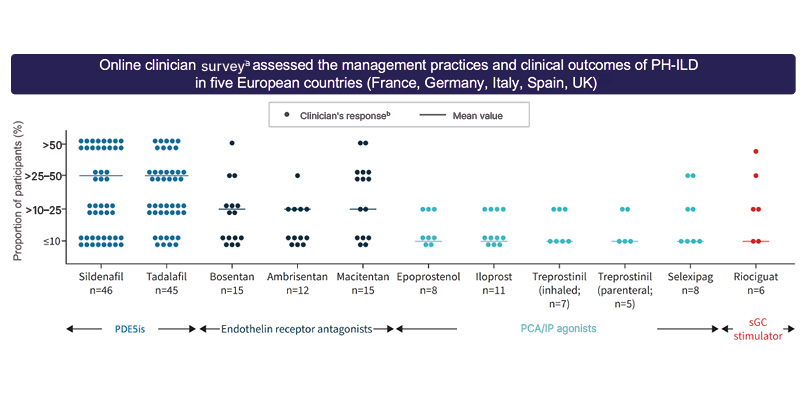
Figure 1: Off-label treatment of PH-ILD in Europe.11
ᵃThe study included 55 clinicians (78% of clinicians were pulmonologists), each managing a median of 20 patients with PH-ILD.
ᵇEach circle represents one clinician’s response.
IP: prostacyclin receptor; PCA: prostacyclin; PDE5i: phosphodiesterase Type 5 inhibitor; PH-ILD: pulmonary hypertension associated with interstitial lung disease; sGC: soluble guanylate cyclase.
Looking to the future, Lang explained that several investigational, non-inhaled prostacyclin receptor pathway agents are currently in clinical development, including the once-daily oral prostacyclin receptor agonist, ralinepag. In the Phase III ADVANCE OUTCOMES study, in 687 patients with PAH, once-daily ralinepag reduced the risk of first clinical worsening by 55% versus placebo (hazard ratio: 0.45; 95% CI: 0.33–0.62; p<0.0001). At Week 28, ralinepag was also associated with 47% greater odds of clinical improvement (p=0.015).29,30 Also in development for PAH is TRX-248, a once-daily transdermal treprostinil patch that demonstrated pharmacokinetics equivalent to SC delivery in a Phase I single-dose study in nine volunteers.31
Despite ongoing advances, Lang stressed that several unmet needs remain to be addressed in the treatment of PAH and PH-ILD. Therapeutic options are needed that can provide proven survival, morbidity, and mortality benefits, together with improved safety and tolerability profiles and a longer duration of action/lower dosing frequency to increase patient adherence.23,32-34 In particular, there is an urgent need for new treatments for PH-ILD in Europe, where no therapies are currently approved. “We have a clear mandate to improve efficacy, safety, patient adherence, and quality of life,” Lang concluded.
Inhaled by Design: The Importance of Device in Pulmonary Hypertension
Ghofrani underscored the importance of the device when treating pulmonary hypertension with inhaled therapies and reviewed the evolution of different formulations and device designs over time. He explained that currently approved prostacyclin therapies for PAH and PH-ILD have a number of limitations, including high rates of discontinuations.23 Problems with non-inhaled prostacyclin pathway agents include systemic side effects, such as jaw pain, leg pain, diarrhoea, systemic hypotension, and ventilation/perfusion mismatch, and intravenous agents can lead to catheter complications as well. Tachyphylaxis can also occur, necessitating dose increases every 2–4 weeks.35
Ghofrani stressed that many of these issues result directly from lack of pulmonary selectivity.35 “If you give a drug intravenously, subcutaneously, or orally, the drug is distributed at similar concentrations throughout the entire body,” he explained. “Inside a diseased lung, you only want vasodilation to occur in the well-ventilated areas. A systemic drug vasodilates everywhere indiscriminately, which worsens ventilation/perfusion (V/Q) mismatch, degrades gas exchange, and introduces systemic side effects.”
As Ghofrani highlighted, a key advantage of inhaled therapies for the treatment of pulmonary hypertension is therefore that the drug is delivered directly to the site of disease in the lungs. He described how the terminal bronchiole delivering the inhaled drug runs directly alongside the precapillary pulmonary resistance vessels, which means, in a complex 3D lung structure, the vessels are completely surrounded by the very alveoli receiving the aerosolised drug. Inhaled vasoactive agents can therefore provide enhanced pulmonary selectivity and intra-pulmonary selectivity for well-ventilated areas, helping to minimise systemic side effects.36 This concept was demonstrated using the Multiple Inert Gas Elimination Technique (MIGET), which is the gold standard for measuring V/Q matching. When a patient with lung disease is given a potent systemic intravenous prostacyclin, it opens up high V/Q areas but increases the shunt fraction to 23%, which means a quarter of the blood passes through the lung without picking up oxygen, Ghofrani explained. In contrast, aerosolised prostacyclins direct themselves exclusively to well-ventilated areas, achieving targeted pulmonary vasodilation without deteriorating oxygenation.
The first clinical experience with the use of inhaled prostaglandin analogues for the treatment of pulmonary hypertension demonstrated this therapeutic potential.35 Across several clinical studies, inhaled iloprost showed clinical efficacy and was generally well tolerated for the treatment of pulmonary hypertension.37,38 However, inhaled iloprost delivered via nebuliser was also subject to dosing limitations. Between six and nine inhalations were required per day, each of up to 10 minutes’ duration, due to the short half-life. There was a limited possibility of dose escalation and/or a reduction in duration of inhalations due to systemic side effects.35,38
Ghofrani explained that device technology for the treatment of pulmonary hypertension has therefore evolved over time, with the aim of optimising three key qualities: “Mobility, convenience, and reliability.”
“In the nebuliser field, there has been a transition from ultrasonic nebulisers that generate heat and destroy delicate molecular ingredients to ambulatory mesh nebulisers that are more gentle on the liquid fluid […] [they] produce a highly uniform aerosol, avoiding large droplets that deposit centrally and cause systemic side effects,” Ghofrani explained, “while homogeneous, peripheral deposition allows us to deliver higher, more effective doses.” Aerosol delivery of iloprost via the new BreelibTM (Essential Pharma, Egham, UK) nebuliser device was shown to reduce total inhalation time by ~8 minutes and give maximum iloprost plasma concentrations 77% higher than the previous piezoelectric nebuliser.39
Innovations in device design can help to address issues of variable lung function across patients, reduce inhalation time and improve pharmacokinetic profiles to enhance treatment adherence and convenience.39,40 In particular, Ghofrani highlighted the DPI as a small, portable, and easy-to-use device for the delivery of inhaled prostacyclin therapies for pulmonary hypertension, which utilises “simple plastic devices and capsules.” Patients remove the protective cap of the DPI, open the mouthpiece and load the capsule, close the mouthpiece, and then push the buttons to pierce the capsule and inhale.41
Alongside the devices themselves, there has been an evolution in the manufacturing methods used to prepare suitable particles with optimal physicochemical properties for inhalation. As Ghofrani explained: “A major challenge with standard dry powders is that they can clump when exposed to moisture. To solve this, Particle Replication in Nonwetting Templates (PRINT®; Liquidia Corporation, Morrisville, North Carolina, USA) technology is being used to create uniform, dried nanoparticles that release smoothly without clustering.” While traditional dry powder formulations relied on conventional industrial methods such as milling and spray-drying, newer technologies use precision mould-based lithography to engineer particles with precise control over size, shape, and composition.42
Formulation also has an important impact on inhaled delivery, and controlled-release formulations are an area of active development in the field. Liposomal encapsulation and biodegradable nanoparticles are two strategies being explored to potentially prolong treatment effect and reduce dosing frequency.43 “Liposomes (lipid nanocarriers) encapsulate the drug for a slow, sustained release. Others have utilised molecular alterations of existing molecules to modify the characteristics of the potential therapies. For instance, chemically binding a palmitate molecule can prolong the drug’s half-life for use once a day,” Ghofrani elaborated. Surfactant-free, biodegradable nanoparticle systems have also been developed for aerosol delivery to the lungs via nebulisation.44
“Inhaled vasoactive agents provide crucial intra-pulmonary selectivity,” Ghofrani concluded. “Optimising device design and advanced formulations will improve treatment adherence, maximise efficacy, and minimise side effects for our patients.”
Current and Emerging Inhaled Prostacyclin Therapies
Finally, Preston explored currently available inhaled prostacyclin therapies for pulmonary hypertension and those on the therapeutic horizon. Iloprost, delivered via nebuliser, is approved in Europe, the UK, and Australia for the treatment of PAH, and inhaled treprostinil is approved for PAH and PH-ILD in both nebuliser and DPI formulations in the USA only. As Preston explained, all these approved therapies share a common tolerability burden, including cough and flushing, although the specific side effect profile depends on the individual drug, delivery mechanism, dose, and device.23
Inhaled iloprost was evaluated in an RCT of 203 patients with severe pulmonary hypertension, in which the combined clinical endpoint (NYHA class improved by at least one class, 6MWD improved by at least 10%, and absence of clinical deterioration according to predefined criteria and death) was met by significantly more patients receiving iloprost (16.8%) compared with placebo (4.9%).38,45 Inhaled treprostinil, in contrast, has been evaluated across a more extensive clinical trial programme, reflecting the transition from nebuliser to DPI delivery. In the original TRIUMPH-I study, nebulised treprostinil significantly improved the primary endpoint of 6MWD from baseline to 12 weeks when added to oral therapy (bosentan or sildenafil) in 235 patients with PAH.46 Inhaled treprostinil delivered via nebuliser was subsequently assessed in the Phase III, randomised, double-blind, placebo-controlled INCREASE study, which enrolled 326 patients with PH-ILD. In this study, inhaled treprostinil significantly increased the primary endpoint of 6MWD over 16 weeks by 31.12 m (95% CI: 16.85–45.39; p<0.001) versus placebo, and also significantly reduced lung disease exacerbations (p=0.02) and N-terminal pro B-type natriuretic peptide (NT-proBNP) levels from baseline (p<0.001). The most frequently reported AEs were cough, headache, dyspnoea, dizziness, nausea, fatigue, and diarrhoea.47 Post-hoc analysis of the INCREASE study has also shown the importance of adequate dosing in the treatment of PH-ILD. Higher dosages of inhaled treprostinil, ≥9 breaths per session, provided significantly greater clinical improvement and less clinical worsening compared to doses less than 9 breaths per session.48
The first study to evaluate inhaled treprostinil delivered via DPI was BREEZE, a multicentre, open-label, single-arm trial of 51 patients with PAH on a stable dose of treprostinil who transitioned from nebuliser to DPI. Inhaled treprostinil delivered via DPI significantly improved 6MWD versus baseline at Week 3, with improvements sustained out to Week 51. Notably, patients also demonstrated significant satisfaction with, and preference for, the DPI device over the standard nebuliser formulation.49 BREEZE was followed by an open-label, multicentre INSPIRE study, which evaluated 55 patients with PAH who transitioned to inhaled treprostinil from the nebulised formulation and 66 prostacyclin-naïve patients who added inhaled treprostinil to their PAH background therapy. The primary endpoint of this study was safety and tolerability. The most common AEs were mild-to-moderate in severity and, as expected for inhaled prostacyclin therapy, included cough, headache, upper respiratory tract infection, dyspnoea, and dizziness. In an evaluation of exploratory efficacy measures, including 6MWD, patients remained stable or improved over the 1 year of treatment. Similar to BREEZE, the INSPIRE study also showed that among patients transitioning from nebulised treprostinil, 98.2% preferred or strongly preferred the DPI over their previous nebuliser.50
Moving from current to future therapies, Preston highlighted two investigational agents in clinical development for pulmonary hypertension, L606 and treprostinil palmitil inhalation powder (TPIP), which aim to reduce dosing frequency compared to the standard four-times-daily dosing of inhaled treprostinil, as well as improve the tolerability profile and increase the efficacy due to their targeted delivery and ability to provide sustained exposure to the active medication. L606 is a liposomal sustained-release formulation of treprostinil developed to provide extended pulmonary drug exposure and reduced pressure between doses. It is delivered twice-daily via a nebuliser.51,52 L606 is currently undergoing evaluation in a two-part Phase III open-label trial in patients with PAH and PH-ILD. Preliminary data showed successful transition to L606 in those receiving stable doses of nebulised treprostinil.53,54
TPIP is an investigational once-daily treprostinil prodrug administered by oral inhalation via a capsule-based DPI that is under clinical development for PAH and PH-ILD.55-67 The inactive lipid-soluble prodrug, treprostinil palmitil, undergoes local activation by endogenous lung enzymes to active treprostinil, resulting in reduced systemic exposure. The slow conversion of treprostinil palmitil to treprostinil in the lungs also facilitates once-daily dosing.55-60 TPIP was assessed in the INS1009-202 Phase IIb study in which patients with PAH received either TPIP 80–640 µg inhalation capsules (n=69) or matching placebo (n=33) for a 16-week treatment period.61,62 In this study, TPIP significantly reduced the primary endpoint of change from baseline in PVR at Week 16 by 35% versus placebo (p<0.001) and showed significant placebo-adjusted improvements across key secondary endpoints, including 6MWD (+35.5 m; p=0.003), NT-proBNP (−60%; p<0.001), and cardiac index (+15%; p=0.006; Figure 2).61 Cardiopulmonary haemodynamic parameters, evaluated as exploratory endpoints, were also significantly improved with TPIP, and there was no significant impact on systemic vascular resistance, providing further evidence of treprostinil palmitil’s local lung activity.63 In terms of safety profile, Preston explained that TPIP was generally well tolerated over 16 weeks in patients with PAH in the INS1009-202 study and its counterpart trial (INS1009-211) in patients with PH-ILD.60-62 In both studies, cough was the most common treatment-emergent AE, and most events were mild or moderate. No treatment-related deaths were reported. The majority of patients were able to reach the maximum dose of TPIP.60-62 As part of this Phase II evaluation, the PVR was measured 24 hours post-dose, further supporting TPIP once-daily dosing.60-62
Results of these Phase II studies supported the initiation of Phase III trials of TPIP. Consequently, TPIP is currently under active investigation in two ongoing Phase III studies: PALM-PAH and PALM-ILD, both of which include change in 6MWD as the primary endpoint.65-67
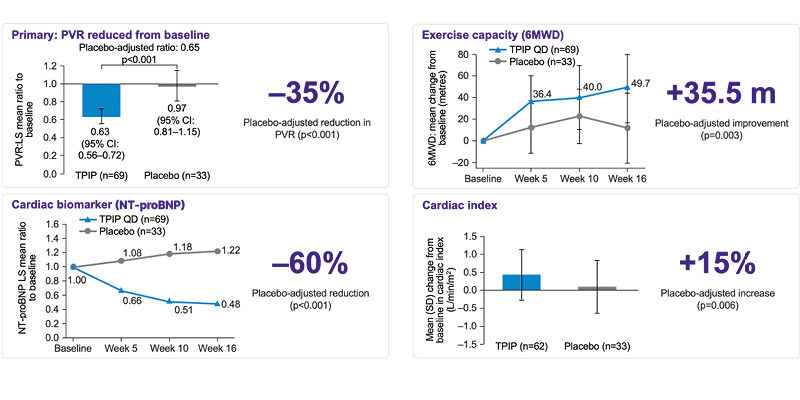
Figure 2: Clinical outcomes at Week 16 in patients with PAH treated with TPIPa in the INS1009-202 trial.61
aTPIP is investigational and not approved in any jurisdiction. All comparisons are placebo-adjusted LS mean ratios to baseline at Week 16, ≈24 h post-dose; p values are nominal and not adjusted for multiplicity.
6MWD: 6-minute walk distance; LS: least-squares; NT-proBNP: N-terminal pro-B-type natriuretic peptide; PAH: pulmonary arterial hypertension; PVR: pulmonary vascular resistance; QD: once daily; TPIP: treprostinil palmitil inhalation powder.
Q&A
For the final part of the symposium, expert panel members were asked to respond to some specific audience questions, providing clinical practice context to the educational material discussed.
Looking back at the historical failures of endothelin receptor antagonists and soluble guanylate cyclase stimulators in chronic lung disease trials, Lang was asked for her views on why prostacyclin-targeted therapies appear effective where others were not. “We learn as we treat,” she responded. “Over the past 10 years, we have realised that PH-ILD is an incredibly complex and diverse disease entity. Historical trials likely failed because they enrolled highly heterogeneous patient populations with varying proportions of vascular disease versus parenchymal airway disease.” Lang pointed out that, in her case series study of SC treprostinil, patients who had already experienced an episode of right heart failure were specifically targeted for treatment. “Prostacyclins are uniquely effective in this fragile subpopulation, because they are exceptionally potent vasodilators,” she explained.
Panel members were also asked for their clinical perspectives on patients with PAH versus PH-ILD, and whether one group tolerates inhaled therapies better than the other, particularly regarding cough. Preston suggested that this depends heavily on the specific delivery and carrier system. “The early data from these newer, advanced formulations suggest that the tolerability gap between the two groups is narrowing,” she remarked. “However, with some of the older therapies currently on the market, we do see distinct challenges.”
Ghofrani agreed, noting that patients with PH-ILD are inherently more fragile because their underlying parenchymal disease already causes a baseline cough, hence adding an inhaled drug can trigger further airway irritation. “In the INCREASE study, we saw a notable number of treatment discontinuations during the randomised phase due to these exact tolerability issues,” he pointed out. Consequently, Ghofrani highlighted the need for optimisation strategies that focus on two fronts: modifying the drug’s release kinetics via liposomes or prodrugs to avoid irritation, and refining the engineering of the devices to ensure a uniform aerosol that targets the deep periphery while avoiding central airway deposition.
Conclusion
PAH and PH-ILD exert a substantial disease burden and, despite advances in awareness and treatment over recent decades, significant unmet needs remain, including diagnostic delays, disparate care, and limited long-term survival. Currently available systemic therapies target key molecular pathways that drive PAH pathophysiology, such as the prostacyclin pathway. However, currently available prostacyclins and their analogues are often associated with tolerability issues, catheter/infection risk, and poor adherence, reinforcing the rationale for lung-selective inhaled delivery.
Inhaled therapies deliver active agents directly to the site of disease in the lungs, with the increased pulmonary selectivity helping to reduce wider systemic toxicity. Approved inhaled prostacyclin therapies have been shown to improve functional class and exercise capacity in patients with pulmonary hypertension; however, current dosing burden and tolerability may limit uptake and adherence.
To address these unmet needs, the design of drugs and devices is continuing to evolve and innovate in order to improve convenience and reduce the delivery burden of inhaled therapies. Next-generation agents are also currently in clinical development, which aim to reduce dosing frequency to once or twice daily while maintaining therapeutic efficacy.
MED-ALL-PAH-00025| Prepared: September 2026