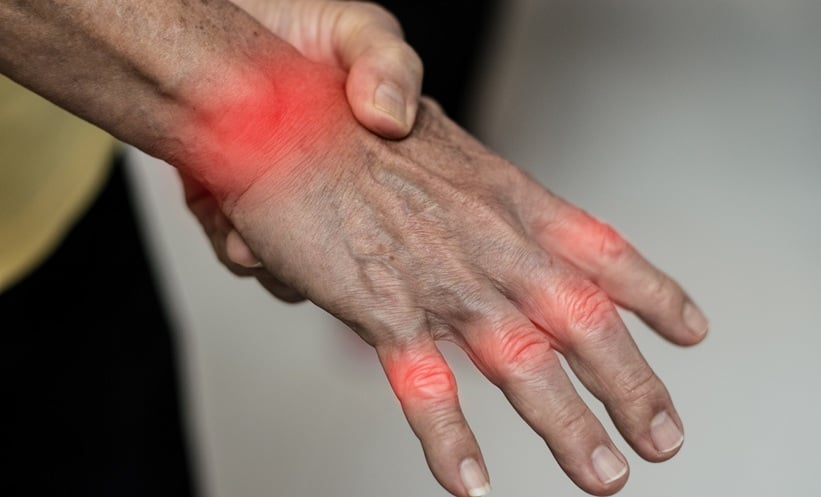
PHYSICAL activity is now positioned as a central component of care for patients with inflammatory arthritis and osteoarthritis, according to updated recommendations that reflect evolving evidence on movement, sedentary behavior, and intervention strategies.
Physical Activity Recommendations in Arthritis Care
The updated guidance builds on earlier recommendations by incorporating new research on interventions that combine education, behavioral strategies, and digital tools. These approaches are designed not only to increase physical activity levels but also to reduce sedentary behavior, which has emerged as a critical factor in long term disease management.
A multidisciplinary task force developed the recommendations using standardized procedures and a comprehensive review of recent literature addressing 13 key research questions. The revised framework introduces four overarching principles alongside 11 specific recommendations that collectively redefine how physical activity should be approached in routine care.
Integrating Physical Activity into Standard Care
A major shift in the updated recommendations is the positioning of physical activity promotion as standard care rather than an optional adjunct. This includes routine measurement of activity levels, individualized adjustments based on patient needs, and the use of structured interventions tailored to disease severity and functional capacity.
The recommendations also emphasize the role of behavior change techniques, including technology-based tools, to support adherence and long-term engagement. These strategies align with broader global guidance that underscores the importance of reducing sedentary time alongside increasing physical activity.
Implementation and Clinical Impact
Agreement among task force members was consistently high, with ratings approaching the upper end of the scale for agreement, impact, and feasibility. This suggests strong consensus on both the clinical importance and practicality of implementing the updated recommendations in real world settings.
The guidance also outlines quality indicators and identifies priorities for future research and education, signaling a more structured and measurable approach to integrating physical activity into arthritis care pathways.
Ultimately, the recommendations highlight the need for personalized implementation that accounts for individual patient characteristics, environmental factors, and national healthcare contexts, reinforcing that effective arthritis management extends beyond pharmacologic treatment to include sustained lifestyle interventions.
Reference
Rausch Osthoff A et al. EULAR recommendations for physical activity in people with inflammatory arthritis and osteoarthritis: 2025 update. Ann Rheum Dis. 2025. DOI: 10.1016/j.ard.2026.03.006.
Featured Image: Kay Abrahams on Adobe Stock.
- Author: