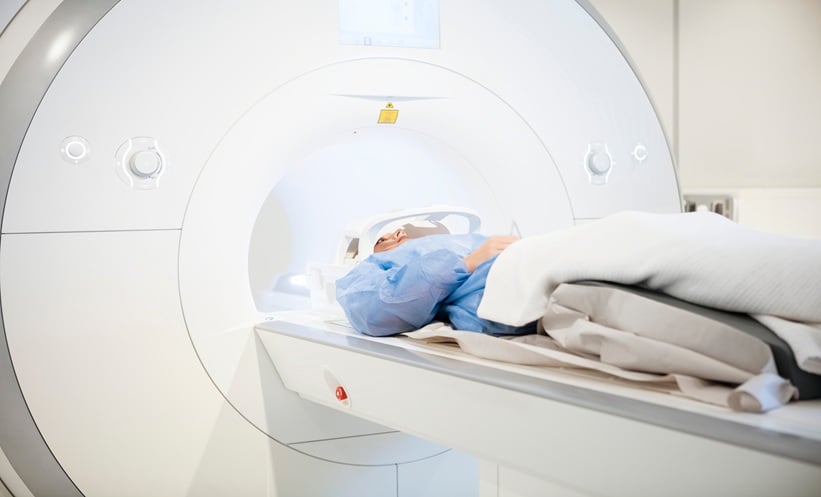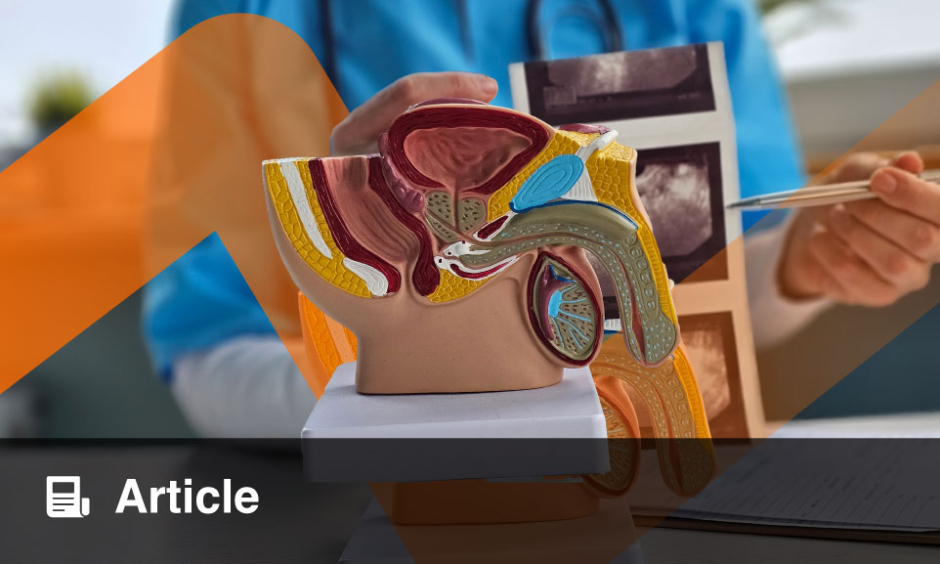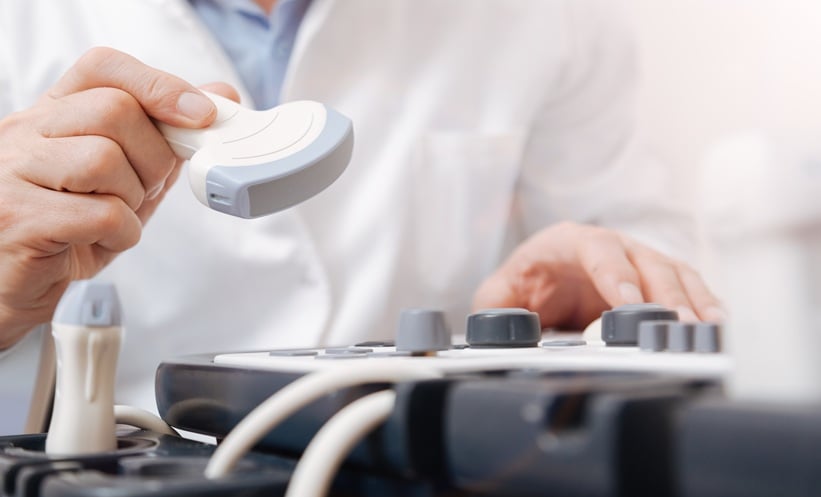
A NEW study reports that combining urinary ultrasound parameters with non-contrast CT (NCCT) significantly improves prediction of spontaneous ureteral stone passage (SSP), potentially helping clinicians better select patients for conservative management.
Spontaneous passage of ureteral stones ≤10 mm is common, but accurately predicting which patients will pass stones without intervention remains challenging. Previous models have typically relied on CT findings alone or clinical factors, with limited predictive accuracy. In this study, researchers aimed to develop a comprehensive predictive model integrating ultrasound, NCCT, and clinical parameters.
The retrospective cohort study included 303 patients with unilateral, solitary ureteral stones measuring 10 mm or less. All patients underwent both urinary ultrasound and NCCT prior to conservative treatment between July 2023 and July 2025. Patients were followed for one month, with spontaneous stone passage confirmed by NCCT. Of the cohort, 191 patients successfully passed their stones, while 112 did not.
Multiple Predictors of Stone Passage Identified
Multivariable logistic regression identified several independent predictors of SSP. Stones located in the middle or lower ureter were significantly more likely to pass spontaneously than those in the upper ureter. Smaller transverse stone diameter was also associated with higher passage rates. Importantly, ultrasound-derived parameters played a key role: thinner ureteral wall thickness (UWT), higher ureteral jet frequency (UJF), and greater stone-side ureteral jet velocity were all independently associated with successful stone expulsion.
When combined into an integrated predictive model, these variables demonstrated strong discriminatory performance, with an area under the receiver operating characteristic curve (AUC) of 0.829. This outperformed models based on NCCT alone (AUC 0.694) or ultrasound alone (AUC 0.774). Calibration analysis showed good agreement between predicted and observed outcomes, while decision curve analysis confirmed meaningful clinical utility across a range of risk thresholds.
Future Directions for Combined Ultrasound and CT Scans
The authors conclude that integrating ultrasound and CT parameters provides a more accurate and clinically useful tool for predicting spontaneous ureteral stone passage than single-modality approaches. By enabling individualised risk stratification, the model may help clinicians avoid unnecessary surgical interventions, reduce patient burden, and optimise management strategies for ureteral stones.
The findings support a growing role for combined imaging approaches in urology and highlight the value of dynamic ultrasound parameters alongside conventional CT measurements in guiding treatment decisions.
Reference
Xu MingBin et al. Applying urinary ultrasound combined with CT to predict the risk of spontaneous ureteral stone passage. BMC Urol. 2025;25:302.