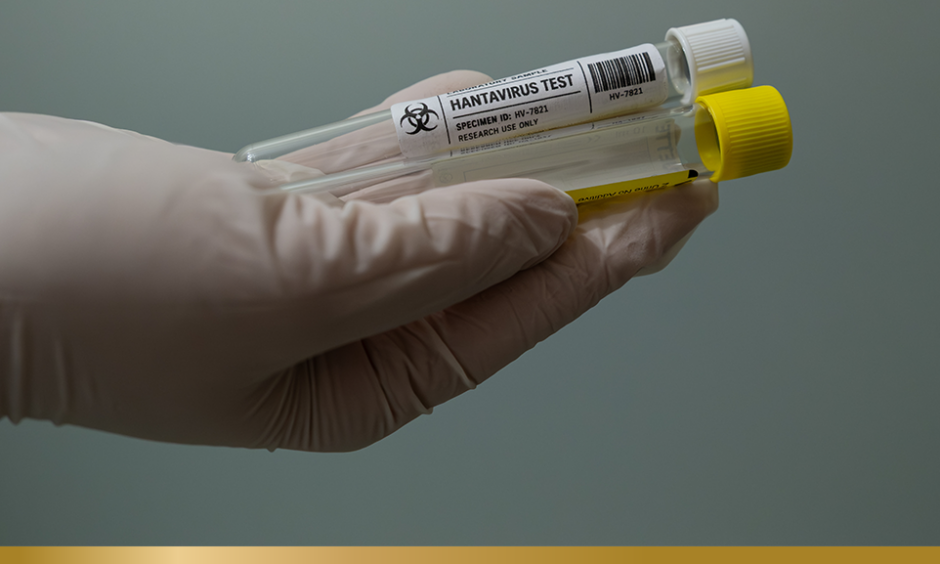
Japan has supplied the UK with an experimental antiviral drug, favipiravir, as a precautionary measure against any further cases of the deadly Andes hantavirus linked to the MV Hondius cruise ship, which has so far claimed three lives.
Japan steps in
The UK Health Security Agency (UKHSA) confirmed it accepted delivery of favipiravir over the weekend.
The drug works by blocking a key enzyme that viruses need to replicate, but it is not licensed in the UK and its use against hantavirus is considered experimental, with no established clinical protocol or strong human trial data to support it.
Neither the UKHSA nor Japanese authorities disclosed the number of doses supplied.
Piet Maes, virologist at the University of Brussels, said use of the drug in hantavirus cases would most likely be limited to early-stage severe infection. “Evidence so far comes only from lab and animal studies, with no strong human trial data showing the drug works against hantavirus,” he said.
The strain
The outbreak, which has resulted in eight confirmed cases and two probable cases, involves the Andes virus, the only hantavirus strain known to spread between humans, albeit only through close, prolonged contact.
The WHO has said it has not identified any signs of increased transmissibility and that the outbreak does not pose a pandemic threat.
The MV Hondius docked at Rotterdam on Monday, where crew members and medical staff disembarked.
Existing vaccine
While a vaccine called Hantavax, an inactivated product developed by Korea Green Cross, is licensed in South Korea for use against the Old World Hantaan strain, no equivalent exists for the Andes virus or for use in the US or Europe.
Dr Jay Hooper, a virologist at the US Army Medical Research Institute of Infectious Diseases who has spent over three decades working on hantavirus vaccines, explained the scale of the challenge to Scientific American. “Right now, we are pushing from the research side, but there is no strong external pull, so progress is slower than it could be,” he said.
Vaccine pipeline
Elsewhere, other efforts are underway but remain at very early stages. Moderna is collaborating with Korea University on preclinical mRNA-based hantavirus vaccine research, while the University of Bath, supported by a UK government contract awarded in 2024, is developing a thermally stable mRNA vaccine using a technology called ensilication, though this currently targets the Hantaan strain.
Furthermore, the US Army’s USAMRIID programme has conducted phase 1 trials of a DNA vaccine for the Andes virus, which has shown the ability to generate neutralising antibodies in humans, but no candidate has yet reached phase 3 trials globally.
- Author: