ADHERENCE to a predominantly plant-based dietary pattern was associated with significantly lower all-cause and renal-related mortality among patients with chronic kidney disease (CKD), according to findings presented at the 63rd ERA Congress.
Researchers conducted a multicohort analysis of 8,165 adults with CKD from the National Health and Nutrition Examination Survey (NHANES) and the Health Care and Nutrition Study (HCNS), examining the relationship between dietary patterns and long-term mortality outcomes. CKD was defined as an estimated glomerular filtration rate (eGFR) below 60 mL/min/1.73 m² and/or the presence of albuminuria.
Researchers Compare Four Major Dietary Patterns
The analysis compared adherence to four dietary patterns: the Dietary Approaches to Stop Hypertension (DASH) diet, Mediterranean diet, Planetary Health Diet (PHD), and Inverted Pyramid Diet. These dietary models differ in their emphasis on plant-based foods, sustainability, and consumption of animal-derived and ultra-processed foods.
Over a mean follow-up period of approximately 7-8 years, 2,847 deaths occurred, representing 34.9% of the study population. Of these, 312 were classified as renal-related deaths.
Among all dietary patterns assessed, the PHD demonstrated the strongest association with reduced mortality. Each standard deviation increase in adherence to the diet was associated with a 17% reduction in all-cause mortality risk (HR: 0.83; 95% CI: 0.78-0.89; p<0.001). The PHD also conferred the greatest protection against renal-related mortality, reducing risk by 24% (HR: 0.76; 95% CI: 0.64-0.90; p=0.001).
The DASH and Mediterranean diets were likewise associated with lower all-cause mortality, although the magnitude of benefit was less pronounced. In contrast, higher adherence to the Inverted Pyramid Diet was linked to significantly worse outcomes. Participants following this dietary pattern experienced an 18% higher risk of all-cause mortality (HR: 1.18; 95% CI: 1.10-1.27; p<0.001) and a 32% higher risk of renal-related mortality (HR: 1.32; 95% CI: 1.12-1.56; p=0.001).
Ultra-Processed Foods Increase Mortality Risk
Further analysis identified specific dietary components associated with poorer outcomes. Consumption of ultra-processed foods accounting for at least 30% of total energy intake increased mortality risk by 24%, while high red meat intake, defined as four or more servings per week, was associated with a 19% increase in mortality risk.
Plant-Based Nutrition Improves CKD Outcomes
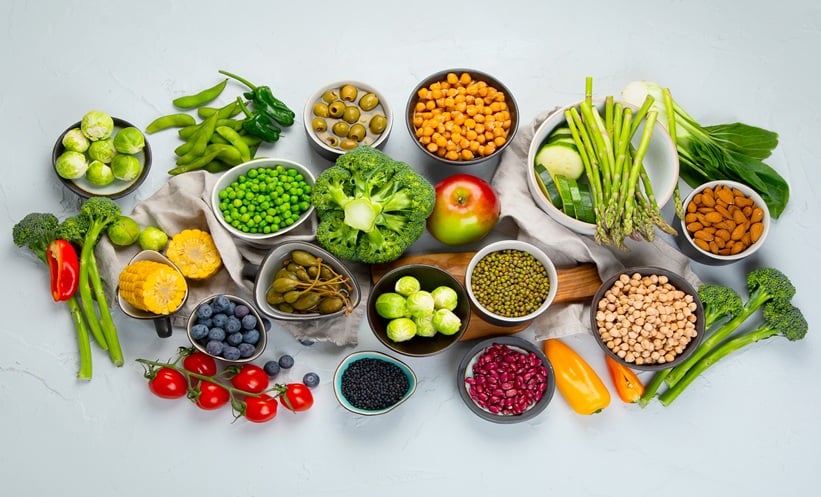
The authors concluded that dietary quality may play a critical role in CKD management. Their findings support plant-forward dietary approaches that prioritise minimally processed foods while limiting red meat and ultra-processed products, potentially offering a practical strategy to improve long-term outcomes in this high-risk population.
Reference
- Gembillo G et al. Plant-based versus ultra-processed dietary patterns and mortality in chronic kidney disease: a multicohort analysis. Abstract 3961. ERA Congress, 3-6 June 2026.
Featured image: bit24 on Adobe Stock
- Author: