Key Summary:
- Probiotic strain boosted antibiotic activity against H. pylori.
- Anti-H. pylori effects were observed across multiple antibiotics.
- Further in vivo studies are needed.
A probiotic strain of Limosilactobacillus fermentum may enhance the effectiveness of conventional antibiotic therapies against Helicobacter pylori, according to new research. The findings suggest that probiotic-derived compounds could help address the growing challenge of antibiotic resistance in one of the world’s most common gastric pathogens.
H. pylori infects approximately half of the global population and is a major cause of gastritis, peptic ulcer disease, and gastric cancer. Classified as a Group 1 carcinogen by the International Agency for Research on Cancer, the bacterium has become increasingly difficult to eradicate due to rising antibiotic resistance, prompting researchers to explore novel adjunctive treatment approaches.
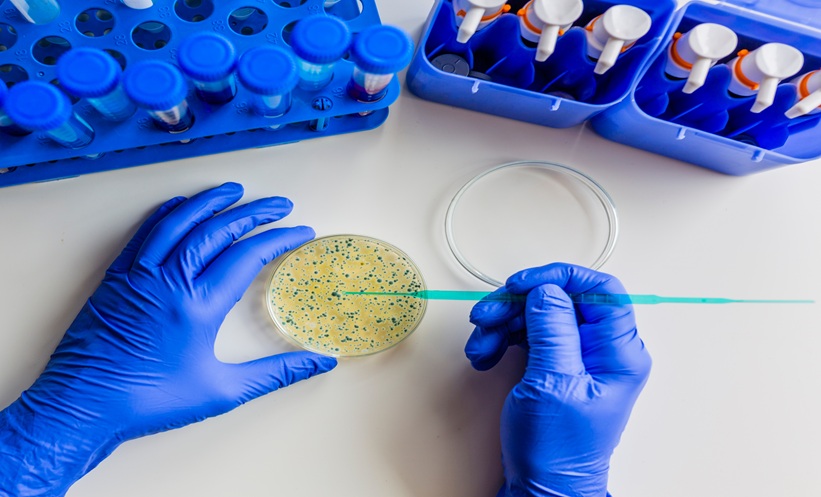
Researchers screened 40 lactic acid bacteria isolates for activity against 20 clinical H. pylori isolates obtained from gastric biopsies of Egyptian patients. The bacterial cell-free supernatants were tested both alone and in combination with commonly prescribed antibiotics used in H. pylori eradication regimens.
Nine probiotic isolates demonstrated anti-H. pylori activity, although their effectiveness varied considerably. Among them, Limosilactobacillus fermentum strain M98 exhibited the strongest inhibitory effects against the pathogen.
The isolate demonstrated antimicrobial activity when used alone and produced synergistic effects when combined with several standard antibiotics.
Combination testing revealed that L. fermentum M98 enhanced the activity of multiple antibiotics, including clarithromycin, amoxicillin, metronidazole, tetracycline, rifampicin, and levofloxacin against certain groups of H. pylori isolates.
Given the increasing prevalence of antibiotic-resistant H. pylori infections worldwide, adjunct therapies that improve treatment efficacy may help optimise eradication strategies and potentially reduce treatment failures.
The researchers identified three protein fractions within the probiotic’s cell-free supernatant that displayed anti-H. pylori activity. Subsequent analysis suggested that these active compounds may represent bacteriocin-like proteins—a class of antimicrobial peptides naturally produced by bacteria.
One of the active proteins was estimated to have a molecular weight of approximately 34 kDa.
In addition to its antimicrobial properties, protein-enriched fractions isolated from L. fermentum M98 demonstrated cytotoxic activity against colorectal adenocarcinoma cells in vitro.
Although these findings are preliminary and were not the primary focus of the study, they suggest that probiotic-derived bioactive compounds may have broader biomedical applications that warrant further investigation.
The researchers emphasise that these observations should not be interpreted as evidence of anticancer efficacy in humans, and additional studies will be required to determine their biological significance.
The authors conclude that L. fermentum M98 shows considerable promise as an adjunct therapeutic agent for H. pylori infection. By enhancing antibiotic activity, probiotic-derived compounds could contribute to future treatment strategies aimed at improving eradication rates while addressing the growing burden of antimicrobial resistance.
However, the findings are currently limited to laboratory-based experiments. Further animal and clinical studies will be needed to establish the safety, efficacy, and therapeutic potential of this probiotic approach before it can be considered for routine clinical use.
Reference
Ali M et al. Synergistic anti-Helicobacter pylori efficacy of a molecularly identified Limosilactobacillus fermentum isolate in combination with multiple antibiotics. BMC Microbiol. 2026;DOI: 10.1186/s12866-026-05350-8.
Each article is made available under the terms of the Creative Commons Attribution-Non Commercial 4.0 License.