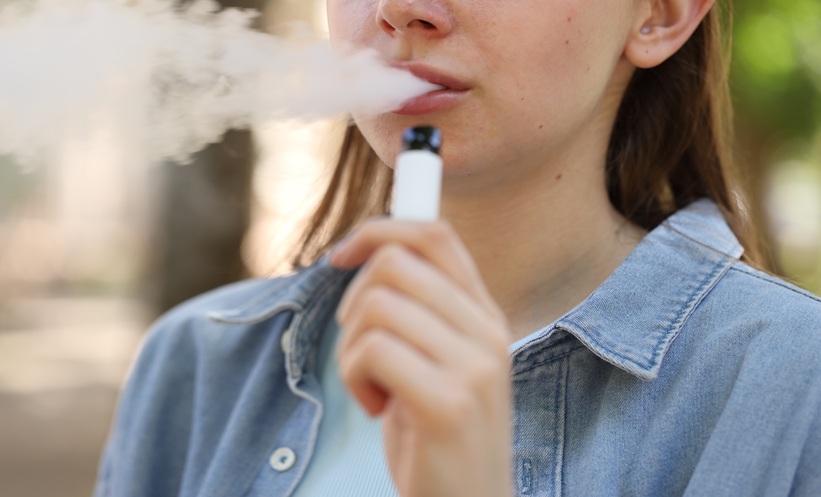
A SYSTEMATIC review has found consistent evidence that vaping leads to a range of serious health issues in children and young people.
The UK’s Royal College of Paediatrics and Child Health (RCPCH) carried out one of the most comprehensive reviews to date, surveying tens of thousands of research studies across eight health and social domains, finding significant evidence for the short and long-term effects of vaping on those aged 12 to 19 years.1
Vaping is On the Up
Vaping has grown exponentially in popularity over the last decade. In 2025, the World Health Organization estimated 100 million people vape globally, with 15 million of these being children between the ages of 13 and 15.2
With hundreds of colours and flavours available, which appeal to the younger generation, what was once considered niche product has become a familiar part of many young people’s everyday lives. There continues to be an alarming increase in use of e-cigarettes among children and young people, with rates exceeding adult use in many countries.3
The RCPCH review examined more than 14,000 published articles, assessed 325 full-text studies and synthesised evidence from 81 studies, providing a comprehensive overview of the evidence on the health implications of vaping for young people.
Serious Implications for Children’s Health
Consistent evidence was found via the review for the link between vaping and poorer respiratory health, with young people who vape more likely to report cough, wheeze, bronchitis symptoms and asthma exacerbations.1
Beyond just respiratory health, evidence was also found for the wider health impacts of vaping, including on oral and dental health, as well as emerging evidence for effects on sleep, eye health and allergies.
The use of vapes was also associated with poorer mental health outcomes, including anxiety, depression and suicidal ideation. Evidence for adverse outcomes on infants and babies exposed to nicotine during pregnancy were also noted.
Significantly, long-term studies showed that young people who use vapes are considerably more likely to go on to smoke cigarettes later in life.
Tougher Measures Needed
Over the last five years, the UK government has introduced sweeping measures as part of the Tobacco and Vapes Act in an effort to curb the level of vaping, particularly in children and young people. These have included a complete ban on disposable vapes, as well as future plans to bring in restrictions on packages, colours, flavours and displays in retail settings.
However, Professor Will Carroll, co-author of the systematic review, said that more needs to be done to solve this issue:
“Vaping should not be seen as a harmless part of growing up. The evidence shows clear links with respiratory symptoms, nicotine dependence and subsequent cigarette smoking, while concerns about wider impacts on young people’s health continue to grow.”
He continued: “The recently announced measures are welcome and must be implemented quickly. But if vaping is to remain a viable smoking cessation tool without attracting new users, Government must go further.
“As paediatricians, we call on the Government to limit the types of flavours available, as opposed to just their descriptions.”4
Clear and Concerning Picture
Dr Mike McKean, RCPCH vice-president for policy, agreed, saying: “Vaping is still a relatively new product, and there is much we do not yet know about its long-term impact on children and young people but a clear and concerning picture is emerging. Continued research and monitoring essential if we are to properly understand the risks and respond to emerging evidence.
“The Tobacco and Vapes Act is an important step towards protecting children from nicotine addiction, but it must not be seen as a one-and-done solution.
“We need to keep pace with a rapidly evolving market and continue to take action to protect children from nicotine products that are deliberately made and marketed to appeal to them,” he added.4
Overall, the large review provides a stark picture of how vaping, a modern and continually emerging issue, effects the children and young people of today whilst encouraging stronger action to protect the them from its impact.
References
1 Oyella P et al. Impacts of vaping on children and young people: a systematic review. Archives of Disease in Childhood. 2026. doi: 10.1136/archdischild-2025-330125
2 World Health Organization. Tobacco: E-cigarettes. 2025. https://www.who.int/news/item/06-10-2025-who-tobacco-trends-report-1-in-5-adults-still-addicted-to-tobacco
3 World Health Organization. WHO tobacco trends report: 1 in 5 adults still addicted to tobacco, 2025.https://www.who.int/news-room/questions-and-answers/item/tobacco-e-cigarettes
4 Media and Public Affairs Team. Vaping linked to respiratory problems and smoking in children, major review finds. Royal College of Paediatrics and Child Health. 2026. https://www.rcpch.ac.uk/news-events/news/2026-08/vaping-linked-respiratory-problems-smoking-children-major-review-finds
Featured image: New Africa on AdobeStock