VIRAL Korean skincare TikTok videos frequently contained potentially misleading claims and lacked basic safety information, according to research presented at EADV Congress 2026. Researchers analysed 38 videos related to Korean skincare and ‘glass skin’, a term used to describe clear, smooth and deeply hydrated skin.
Videos were identified in May 2026 using a neutral TikTok account with no prior engagement history to minimise algorithmic bias. Researchers screened top videos across five Korean skincare-related search terms before assessing dermatological claims, safety information, quality and reliability using the Global Quality Scale and modified DISCERN.
Almost 95% of videos contained at least one potentially misleading claim. Around 84% did not account for different skin types, while 45% promoted combinations of active ingredients without appropriate safety guidance and 32% promised instant results.
Safety Information Was Largely Absent
Only one of the 38 videos mentioned irritation risk and two addressed sun protection. None mentioned contact dermatitis risk or recommended consulting a dermatologist. All videos were classified as unreliable or less reliable, and none cited an external source or reference.
Nearly 82% of videos were created by non-physician influencers, while 11% were produced by beauty brands and 8% by other beauty content creators. None were produced by dermatologists.
A separate observational study presented at EADV Congress 2026 examined 94 patients who developed new or aggravated skin conditions after using cosmetic or dermatological products promoted on social media. Alpha-hydroxy acid or beta-hydroxy acid exfoliants were implicated in 34% of cases, followed by over-the-counter retinoids at 27%.
Complex Routines Linked to Skin Reactions
Almost half of patients in the second study had adopted complete skincare routines inspired by social media, while 63% were using more than three active skincare ingredients simultaneously.
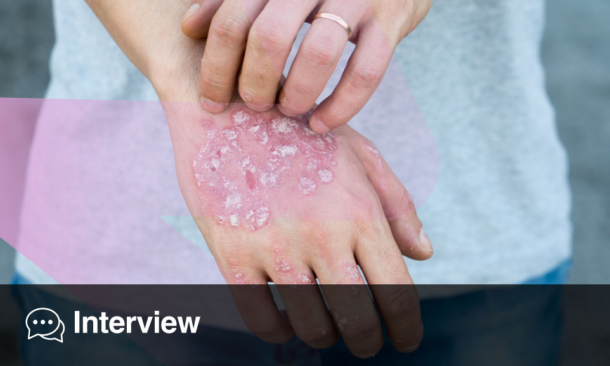
Reported reactions included irritant contact dermatitis in 42% of patients, acne onset or significant worsening in 28%, rosacea flares or rosacea-like dermatitis in 12%, post-inflammatory hyperpigmentation in 11%, and superficial chemical burns in 7%.
The researchers emphasised that Korean skincare itself was not identified as the problem. Instead, they highlighted concerns about complex, one-size-fits-all routines promoted without appropriate safety information.
The findings support greater access to evidence-based skincare information on social media, with dermatologists encouraged to engage with popular trends and provide accurate, accessible guidance.
References
- Paysano ML et al. Glass skin or barrier breakdown? Evaluating the quality and safety of viral korean skincare routines on TikTok. Poster 2814. EADV Congress, 30 September – 3 October, 2026.
- Hormi O et al. When skincare trends go wrong: dermatologic complications of viral social media products. Poster 2330. EADV Congress, 30 September – 3 October, 2026.