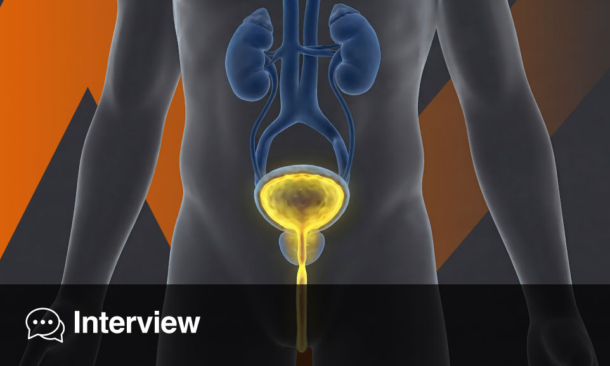
BLADDER STONE SURGERY outcomes from a large international registry showed that transurethral treatment was the most frequently used approach and was associated with high stone clearance rates alongside shorter postoperative recovery.
Data were collected from 805 patients undergoing surgical treatment for bladder stones across 31 centres in 16 countries between May 2025 and February 2026.
Transurethral Approach Dominates Contemporary Practice
The registry included 741 patients who underwent transurethral intervention, 39 treated with percutaneous suprapubic intervention, and 25 managed with open surgery.
The cohort was predominantly male across all treatment groups. Patients receiving transurethral treatment were older, with a median age of 66 years, compared with 60 and 59 years in the percutaneous and open surgery groups, respectively.
Patients treated transurethrally also had smaller stones, with a median diameter of 2.1 cm versus 3.0 cm for both alternative approaches.
A history of urinary tract reconstruction was substantially more common among patients undergoing percutaneous procedures: 23.1% versus 3.5% and 4.0% in the transurethral and open surgery groups, respectively.
These findings suggest that percutaneous and open techniques were typically reserved for more anatomically complex cases.
High Stone Clearance Across Surgical Modalities
Stone-free rate was evaluated using imaging or cystoscopy and categorised according to predefined grading criteria.
Grade A stone-free status, indicating complete clearance, was achieved in 95.5% of patients undergoing transurethral treatment, 84.6% of those receiving percutaneous intervention, and 100% of patients treated with open surgery.
Reintervention for residual stone fragments was significantly more common following percutaneous treatment: 10.3% versus 1.3% after transurethral surgery and 0% after open surgery.
However, the investigators noted that treatment allocation was not randomised and that patients undergoing percutaneous procedures often had larger stone burdens and more complex anatomy.
Recovery and Safety Outcomes
Postoperative recovery favoured the transurethral approach. Median hospital stay was 2 days after transurethral treatment compared with 3 days following both percutaneous and open surgery.
Catheterisation duration was also shorter, with catheter removal typically occurring on postoperative day 1 after transurethral procedures.
Early complications within 48 hours were most common after open surgery, affecting 48.0% of patients compared with 18.6% and 17.9% in the transurethral and percutaneous groups, respectively.
Despite these differences, major complications classified as Clavien-Dindo Grade ≥3 were uncommon and comparable across groups. No mortality was reported.
The investigators concluded that transurethral cystolithotripsy remains the predominant strategy in contemporary bladder stone surgery, offering high rates of stone clearance and faster recovery.
Percutaneous and open approaches continue to play important roles in patients with larger stones, previous urinary tract reconstruction, or complex anatomical features, supporting an individualised approach to treatment selection.
Reference
Gauhar V et al. BLAST—bladder lithiasis assessment of surgical treatment in real-world practice. A global prospective multicentre registry by EAU Endourology. World J Urol. 2026;DOI:10.1007/s00345-026-06813-3.