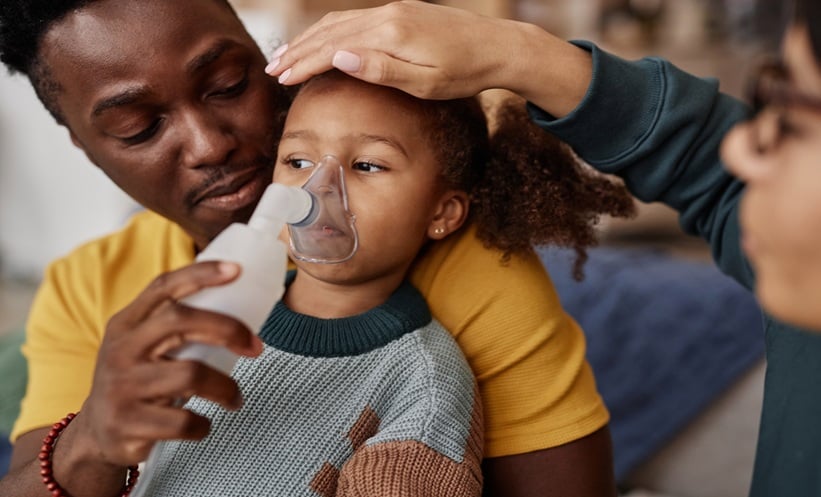
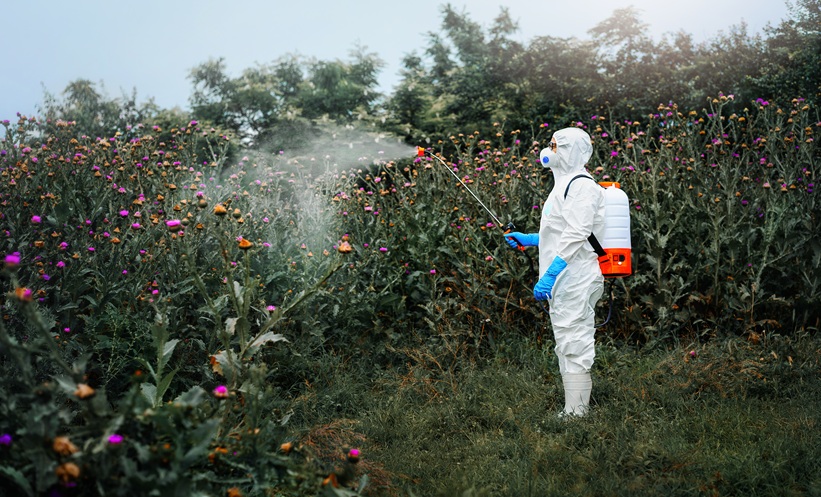
CHILDHOOD asthma and air pollution research in Louisiana shows that environmental and health burdens across the U.S. are unequal, causing socially vulnerable populations to experience more adverse health outcomes. Researchers attempted to understand the relationship between air pollution and asthma in Louisiana, ranked as one of the lowest states in healthcare and health outcomes, and a region with poor racial and socioeconomic disparities.
Looking at 28,499 urgent and emergency asthma admissions in kids under 18 from 2010 to 2019, researchers saw higher odds of hospitalization across a four-day window. Each typical rise in pollution raised hospital odds by 7.9% for fine particles, 8.2% for ozone, and 7.1% for nitrogen dioxide. Black children showed higher burdens of hospitalizations and earlier lag associations, meaning the effects of air pollution could be more immediate for this group.
How Timing and Exposure Differ Across Kids
Looking day by day, the timing of hospital visits shifted across groups even when overall risk differences by race were not statistically significant. Overall, ozone lined up with same-day visits, while fine particles and nitrogen dioxide lined up with visits one to two days later. For Black children, links showed up one to two days before admission across all three pollutants, while White children showed links three days later for fine particles and ozone. Black children made up 59.0% of known-race cases despite being about 37% of Louisiana youth, had more emergency visits, and faced higher levels of fine particles and nitrogen dioxide.
What This Means for Care Teams and Communities
More than 70% of these pediatric asthma stays involved Medicaid, pointing to wide financial strain among families. Shifting timing likely comes down to living conditions and care gaps rather than biology, including living closer to industrial sites, daily asthma control, and access to care. Indoor air, pollen, and seasonal viruses were not tracked directly, though the study design accounted for personal traits and seasonal shifts. Cleaner air and fairer protection against pollution remain key to keeping kids out of the hospital.
Reference
Luglio DG et al. Associations between air pollution and pediatric asthma hospitalizations across vulnerable groups in Louisiana. Environ Epidemiol. 2026;11:e544.