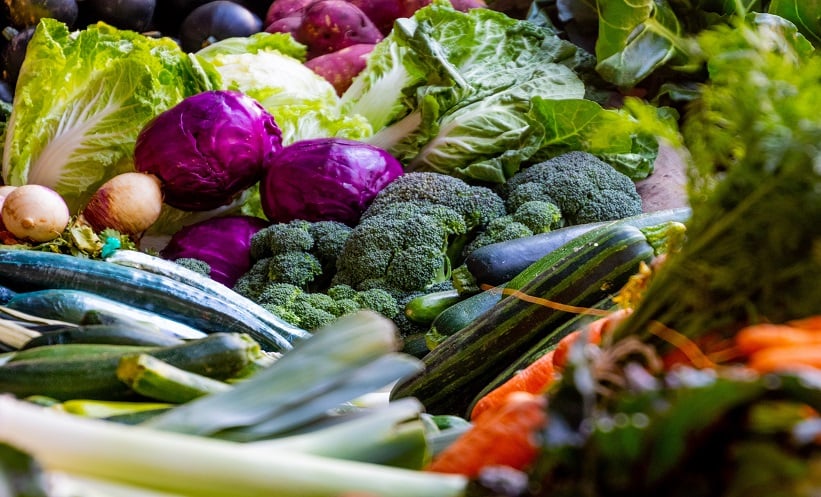
PLANT-BASED DIETS have been linked to lower cardiovascular risk in people with severe autoimmune diabetes1, according to evidence from the German Diabetes Study (GDS). 2
Researchers analysed data from 612 adults with recent onset diabetes or a diabetes duration of approximately 5 years. 1
Participants were classified into three diabetes subtypes: severe autoimmune diabetes (39.1%), mild obesity-related diabetes (30.9%), and mild age-related diabetes (30.1%).
The researchers examined the participants estimated 10-year cardiovascular risk, using the SCORE2 Diabetes risk model, and dietary patterns using food frequency questionnaires.
Among participants with severe autoimmune diabetes, stronger adherence to healthy dietary patterns was associated with lower estimated cardiovascular risk.
In severe autoimmune diabetes, each one standard deviation increase in the overall plant-based diet index was linked to a 6.8% lower estimated cardiovascular risk. Additionally, each one standard deviation increase in the healthy plant-based diet index was linked to an 8.8% lower risk.
Subtype-Specific Associations Observed
Interaction analyses showed that relationships between both the overall and healthful plant-based diet indices and estimated cardiovascular risk differed significantly between diabetes subtypes.
In contrast, no statistically significant associations between dietary patterns and estimated cardiovascular risk were observed among those with mild obesity-related diabetes or mild age-related diabetes.
Fibre Intake May Contribute to Benefits
Beyond dietary patterns, higher dietary fibre intake was associated with lower estimated cardiovascular risk in severe autoimmune diabetes. Each one standard deviation increase in fibre intake was linked to a 7.8% reduction in estimated risk.
The researchers noted that foods such as nuts and legumes may have contributed to the favourable associations observed, as greater consumption of these foods was also linked to lower estimated risk within this subtype.
Overall, the findings indicated that plant-based diet patterns and higher fibre intake may have subtype-specific associations with cardiovascular risk.
The study highlights the need for further longitudinal and intervention studies to determine whether dietary factors differentially affect future cardiovascular outcomes across diabetes subtypes.
Reference
1Weber KS et al. Differential associations of dietary patterns with estimated 10-year cardiovascular risk in diabetes subtypes. Sci Rep. 2026;DOI:10.1038/s41598-026-57026-y.
2Das Deutsche Zentrum für Diabetesforschung (DZD). German Diabetes Study (GDS). 2026. Available at: https://www.dzd-ev.de/en/research/clinical-studies/german-diabetes-study-gds. Last Accessed: 7 July 2026.
Featured image: marrakeshh on Adobe Stock
- Author: