AI tools may help consumers identify skin conditions more accurately, though understanding what to do next remains less certain.
AI Skin Conditions and Consumer Understanding
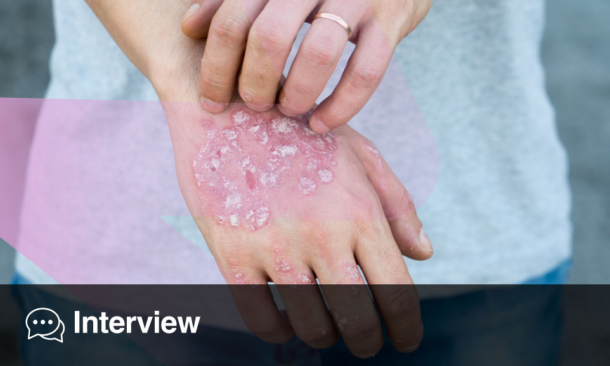
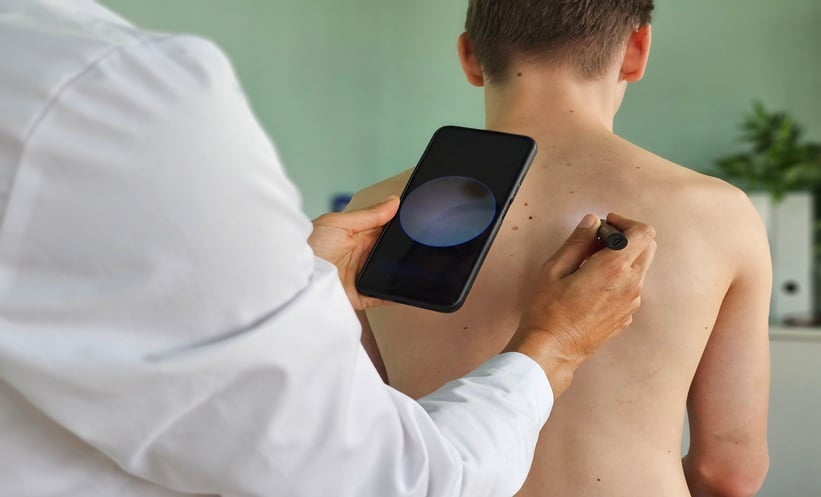
Artificial intelligence in dermatology is moving beyond clinician workflow and into the hands of consumers. In a large survey study of 2,345 U.S. participants who had looked for information about a skin concern within the past year, access to an AI powered dermatology tool was associated with a stronger ability to name the condition shown in deidentified cases. Participants using the tool were also more willing to offer a diagnosis than those relying on standard information seeking methods. These findings suggest AI skin conditions tools may improve recognition of visible dermatologic disease, even if they do not yet fully support decision making about what should happen next.
What the Study Found
The randomized survey compared three groups: a control arm using existing tools such as web search, an AI arm using a prototype dermatology application, and a “Wizard of Oz” arm that used the same interface but displayed dermatologist supplied differential diagnoses instead of AI predictions. Participants reviewed retrospective cases that included images and structured medical history.
Compared with the control arm, participants using the AI tool were substantially more likely to name a condition. Accuracy also improved. In the control group, condition naming accuracy was 7.86%. That rose to 22.79% in the AI group, while the Wizard of Oz group reached 36.20%. Willingness to name a condition increased from 41.21% in the control group to 62.26% in the AI arm. Confidence and satisfaction also improved, pointing to a meaningful shift in how consumers engage with skin condition information when guided by structured AI outputs.
Where AI Still Falls Short
The more sobering finding was that better recognition did not clearly translate into better understanding of next steps. Only the Wizard of Oz arm showed a significant increase in next step accuracy compared with control, suggesting that the usefulness of AI depends heavily on the quality of the predictions presented and on how that information is explained. Even when dermatologist level differentials were shown, imperfect user interpretation remained a problem.
That matters clinically. Consumers may feel more confident after using AI, but confidence alone is not the same as actionable understanding. The study points to a design challenge for digital dermatology: improving not only diagnostic recognition, but also the way treatment context, urgency, and follow up guidance are communicated. As AI skin conditions tools become more visible in patient facing care, that gap may prove just as important as raw diagnostic performance.
Reference
Sayres R et al. Consumer Understanding of Skin Concerns With an AI-Powered Informational Tool. JAMA Dermatol. 2026;doi:10.1001/jamadermatol.2026.0597.
Featured Image: Nadzeya on Adobe Stock.
- Author: