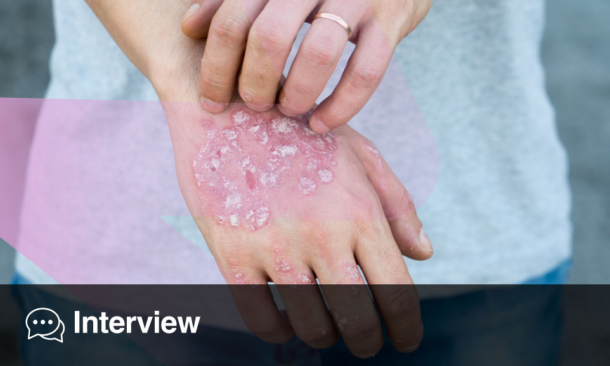
Psychopharmacology in dermatology shows promise for improving both skin disease outcomes and psychiatric symptoms.
PSYCHOPHARMACOLOGY is emerging as a critical tool in dermatology, with growing evidence supporting its role in managing both skin conditions and associated psychiatric disorders. A recent narrative review highlights how psychotropic medications, including antidepressants, anxiolytics, and antipsychotics, can address the complex interplay between mental health and dermatologic disease.
Psychopharmacology in Dermatology Improves Dual Outcomes
Psychodermatology focuses on the bidirectional relationship between psychiatric disorders and skin conditions. The review analyzed studies published between 2019 and 2024, demonstrating that psychopharmacological interventions can improve outcomes across both domains. Antidepressants, in particular, were associated with reductions in inflammation and immune dysregulation in conditions such as psoriasis and hidradenitis suppurativa.
Beyond their effects on the skin, these medications were shown to alleviate psychiatric symptoms commonly seen in dermatology patients. Anxiety, compulsive behaviors, and delusional thoughts, which often exacerbate dermatologic conditions, were significantly improved with targeted psychotropic therapy. This dual benefit reinforces the importance of addressing mental health as part of comprehensive dermatologic care.
Underutilization of Psychopharmacology in Dermatology Practice
Despite strong evidence supporting its efficacy, psychopharmacology remains underutilized in dermatology. The review highlights a persistent gap in clinical practice, where psychiatric referrals and integrated treatment approaches are not consistently implemented. This disconnect may limit patient outcomes, particularly in cases where psychological factors play a significant role in disease progression.
The findings emphasize the need for a multidisciplinary approach that incorporates psychiatric evaluation into routine dermatologic care. Increased awareness among clinicians, along with improved collaboration between dermatology and psychiatry, may help bridge this gap.
Future research is needed to further define the long term safety and efficacy of psychotropic medications in dermatologic populations. Larger longitudinal studies will be essential to guide clinical decision making and optimize treatment strategies.
Reference
Katamanin O et al. Psychopharmacology in Dermatology. Indian Dermatol Online J. 2026;DOI: 10.4103/idoj.idoj_186_25.
Featured Image: Talia Mdlungu on Adobe Stock.
- Author: