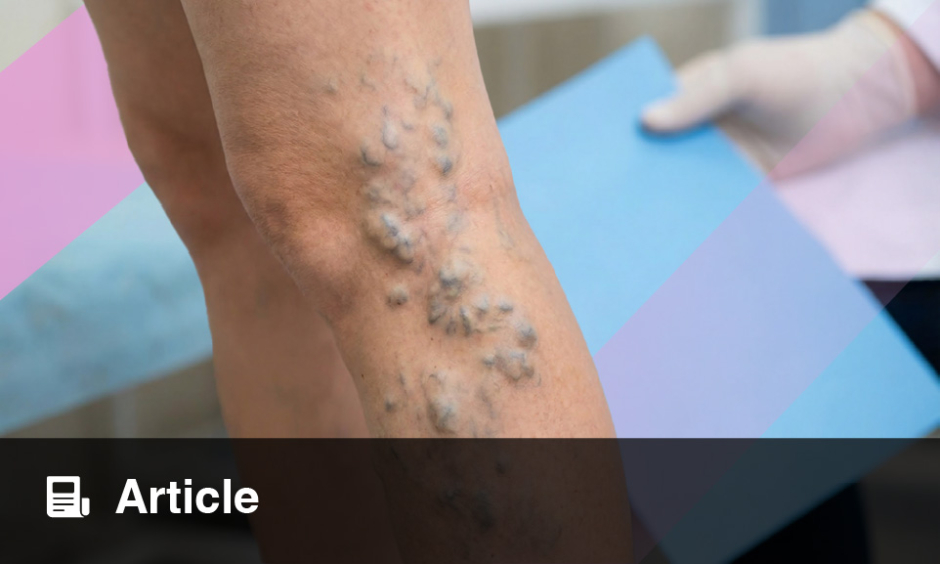
CANDIDA infections linked to secukinumab were uncommon but often serious, with risk clustering early after treatment.
Candida Infections with Secukinumab Show Early Risk
Candida infections associated with secukinumab treatment appear uncommon in real-world reporting, but new pharmacovigilance findings suggest that clinicians should monitor closely during the first months of therapy, particularly in defined higher-risk groups.
Secukinumab, an interleukin-17A inhibitor used in psoriasis and related disorders, has been associated with opportunistic infections. Because Candida infections remain a key safety concern with this mechanism, investigators evaluated adverse event patterns using the U.S. Food and Drug Administration Adverse Event Reporting System from Q1 2004 to Q1 2025.
The analysis identified 1,075 Candida-related events, representing 0.8% of all secukinumab reports. Oral, esophageal, and vulvovaginal candidiasis were the most frequently reported clinical presentations, underscoring the importance of assessing mucosal symptoms during treatment.
Serious Outcomes Reported in More Than Half of Events
All eight focal MedDRA Preferred Terms showed significant disproportionality signals. Genital candidiasis produced the strongest association, with a reporting odds ratio of 19.85 (95% CI: 12.91–30.53). Reporting signals were stronger among females and adults aged 18–64 years, suggesting that sex and age may help inform risk stratification during routine biologic safety monitoring.
More than half of reported Candida infections met criteria for serious outcomes. Although FAERS data cannot establish incidence or causality, the findings point to a clinically meaningful safety signal for Candida infections in patients receiving secukinumab and reinforce the need for early recognition, timely evaluation, and appropriate management.
Monitoring May Be Most Important After Initiation
Median time to onset was 2–3 months, and Weibull modeling showed a β value below 1, consistent with an early-failure pattern. This suggests that risk may be highest soon after treatment initiation rather than accumulating later during therapy.
The authors concluded that Candida infections during secukinumab treatment are uncommon but may be severe, particularly in higher-risk groups. Real-world pharmacovigilance remains important for refining biologic safety strategies, supporting patient counseling, and guiding vigilance during the initial treatment period.
Reference
Yu C et al. Adverse events associated with candida infections in secukinumab treatment. BMC Infect Dis. 2026;doi:10.1186/s12879-026-13782-w.
Featured Image: DC Studio on Adobe Stock.
- Author: