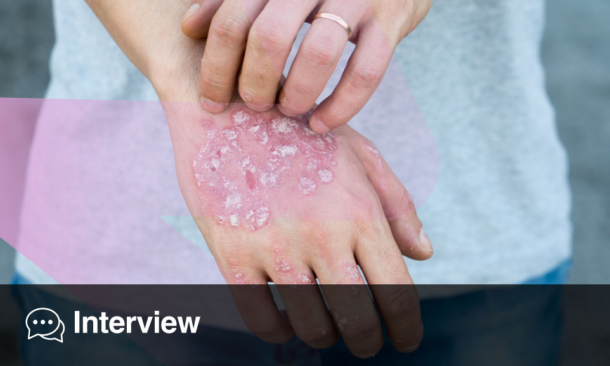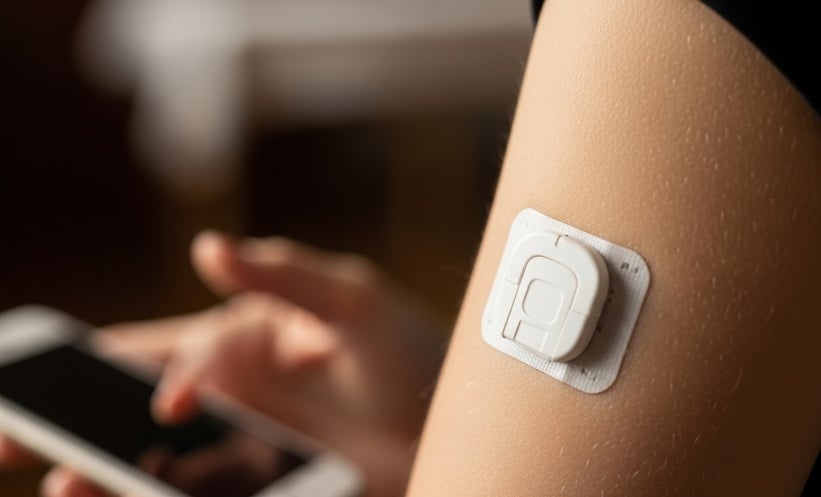
RESEARCHERS have developed a compact, near-infrared skin sensor that objectively tracks hydration levels in atopic dermatitis, distinguishing affected skin from healthy skin and detecting rapid hydration changes after moisturiser use, offering a potential home monitoring tool for AD.
Skin Hydration Decline Fuels Atopic Dermatitis Flares
Skin hydration serves as a key marker of barrier integrity, and in atopic dermatitis, its decline drives xerosis, itching and disease progression. Current hydration assessment tools are often limited by poor subsurface sensitivity, interference from surface lesions and environmental noise, which hinders portable, real-time testing. Researchers therefore developed a dual-wavelength near-infrared system designed to monitor deep-skin hydration in people with atopic dermatitis.
Testing the Device from Porcine Skin to Patients
The system used two near-infrared LEDs at 910 and 970 nm alongside a photodetector to generate an optical hydration index from diffuse-reflectance signals and synchronised skin-surface temperature. Monte Carlo simulations guided probe geometry, and the device was first tested in ex vivo porcine skin dehydration experiments before a pilot in vivo study of 13 participants benchmarked it against a commercial corneometer. A prospective clinical study then enrolled 56 participants, comprising 32 patients with clinically diagnosed atopic dermatitis and 24 healthy volunteers, following institutional review board approval and informed consent. Measurements were taken in a controlled environment of 22°C and 45% relative humidity after a ten-minute acclimation period, with a mechanical stand fixing probe position and pressure. A subset of 22 AD patients was assessed for hydration change one hour after topical moisturiser application.
Optical Index Tracked Both Baseline and Treatment Response
In the pilot study, NIR readings correlated strongly with the commercial device (r = 0.918; RMSE = 2.07 a.u.). In the clinical cohort, the optical hydration index clearly separated atopic dermatitis from healthy skin, with significantly lower values in patients with AD. In the moisturiser-response subset, the index rose significantly one hour after application, with the median increasing from approximately 23 to 24 a.u. before treatment to approximately 37 to 38 a.u. afterwards (P < 0.001), confirming sensitivity to short-term hydration change.
A Step Toward Home Monitoring for Eczema Care
The authors concluded that the system offers a repeatable, objective way to monitor skin hydration in atopic dermatitis and could support home-based, longitudinal management, though further work on agreement and reliability is needed before clinical adoption.
Reference
Xue Y et al. Toward home-based skin hydration management of atopic dermatitis: a NIR hydration index for non-invasive monitoring. APL Photonics. 2026;11:076106.
Featured image: abu on Adobe Stock
- Author: