EXPERTS today called for education and increased awareness around gender disparities in access to medical cannabis, at Cannabis Europa 2026, London, UK.
Recurring themes included a lack of intersectional personalised care and misunderstandings around the impact of medical cannabis on the menstrual cycle and menopause, underscored by limited research funding.
Sarah Sinclair, former Editor, Cannabis Health, London, UK, said: “Women are increasingly turning to cannabis-based medicines, often years after feeling dismissed, underdiagnosed, and underserved by conventional healthcare systems.
“But at the same time, they face a unique set of barriers when accessing medical cannabis, from persistent stigma and limited clinical research, to healthcare systems that still largely treat the male body as the default and a market that hasn’t really caught up with women’s real-world experiences.”
Medical Cannabis in England
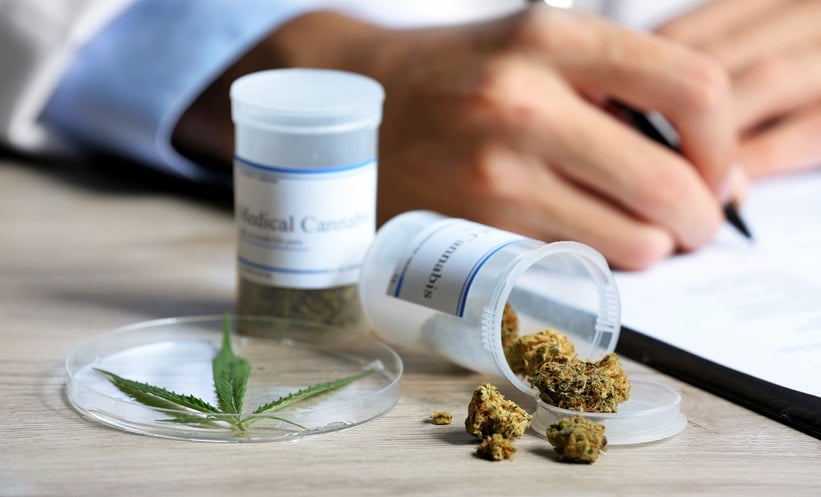
Currently, medical cannabis is prescribed on the NHS for a limited number of conditions: children and adults with severe forms of epilepsy, adults with nausea and vomiting caused by chemotherapy, and people with muscle stiffness and spasms caused by multiple sclerosis.1
Said prescriptions are only considered when other treatments prove unsuitable or ineffective, the NHS reports.
Barriers to Access
Experts highlighted a lack of diverse lived experience in the research and development of medical cannabis.
Dr Michelle Nyangereka, psychologist and founder, Our Mothers’ Gardens, London, UK, said: “I think part of the problem is that the people who campaigned for legalisation in the UK were mothers trying to get treatment for their children with intractable epilepsy, but they’re not the people who entered the space.
“The people who entered the space didn’t have those patients in mind and didn’t have very many diverse patients in mind.”
Dr Nyangereka reported that the market, dominated by high inhalable THC, tends to favour younger male users.
The panel agreed that the medical cannabis industry must move to cater for women’s needs, for example, through availability of variable dosage forms and an increased inclusion of women in product design processes.
Emerging Research
Research in the fields of menopause and endometriosis, whilst historically neglected, continues to emerge.
Dr Grace Blest-Hopley, Chief Scientific Officer, NWPharma Tech, London, UK, said: “There’s an absolutely incredible trial ongoing right now at the University of Maastricht, by Dr Natasha Mason, and she’s actually looking at how women respond to cannabis at various different times during their menstrual cycle – that’s the kind of research we need.”
Also highlighted was the ENDOCAN-1 clinical trial, from the University of Edinburgh, currently analysing the impact of cannabidiol (CBD) on endometriosis pain.
Gender Differences in Chronic Pain
Chronic pain, sometimes treated with medical cannabis, is more common in women than men.2
Dr Blest-Hopley pointed to gender differences in how different painkillers are metabolised, noting a similar pattern with cannabis, particularly across variable phases of the menstrual cycle.
She explained: “What does that mean for dosing?
“If someone’s in a follicular phase about to ovulate, they’re probably going to have a much higher sensitivity to THC, and also not have as much pain during that time anyway as they are at the later part of the cycle.
“So, you’re probably going to have to think about changing your dose as you go through the cycle.”
Dr Blest-Hopley called for a spotlight on the female reproductive system and menstrual cycle in cannabinoid research: “We really need to open our eyes to the idea that there is this whole other variable going on in women, and research it properly.”
References
1 NHS. Medical cannabis (and cannabis oils). Available at: https://www.nhs.uk/medicines/medical-cannabis/. Last accessed: 27 May 2026.
2 Bartley EJ, Fillingim RB. Sex differences in pain: a brief review of clinical and experimental findings. Br J Anaesth. 2013;111(1):52–58.
Featured image: Elroi on Adobe Stock
- Author: