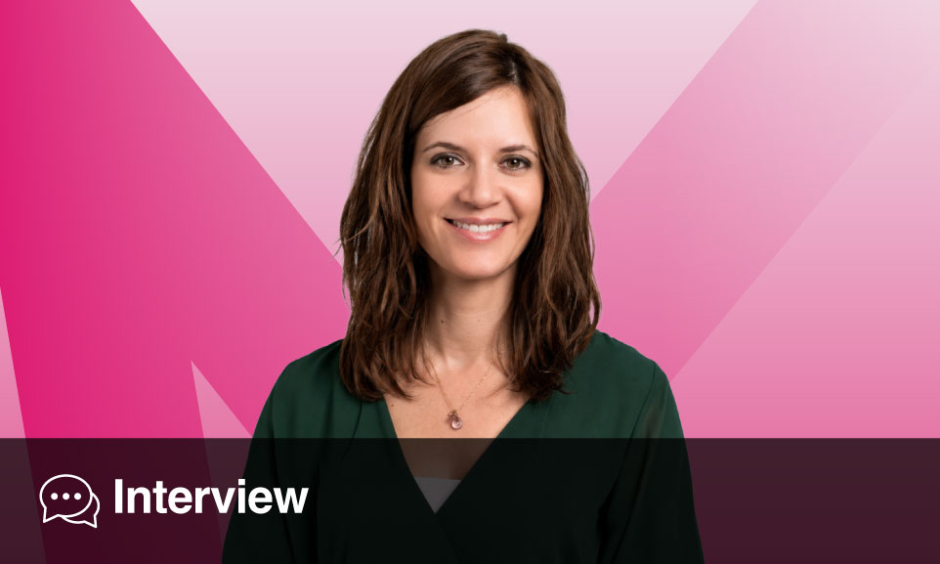
Simona Pagliuca | Professor of Immunology, University of Lorraine; Hematologist, Nancy University Hospital, Vandoeuvre-lès-Nancy, France
Citation: EMJ Hematol. 2026;14[1]:55-59. https://doi.org/10.33590/emjhematol/8A6WQ46J

To start with, can you take us back to how you first became interested in medicine and haematology, and what led you towards specialising in immunology and bone marrow failure syndromes?
It is actually something I have found myself reflecting on quite often recently, especially when speaking with students, residents, and younger colleagues who are trying to define their own career paths. My interest in medicine started very early, driven by a fascination with science and biology. What attracted me most was the possibility of combining scientific reasoning with patient care. I studied medicine in Italy, where admission to medical school is highly competitive. I still remember thinking that if I did not get in, I would probably pursue a career in biology or biotechnology instead. Fortunately, it worked out.
During medical school, I became increasingly drawn to haematology and oncology. Haematology felt like the specialty where everything came together: immunology, genetics, cancer biology, transplantation, and many diseases whose mechanisms were still only partially understood. It was a field that seemed to offer endless opportunities for discovery.
My interest in bone marrow failure developed progressively during my training in Naples, Paris, and later at the Cleveland Clinic, Ohio, USA. These experiences, together with the mentors I had the privilege to work with, shaped both my clinical and scientific development. They allowed me to build expertise in bone marrow failure syndromes and haematopoietic stem cell transplantation, while also opening my research interests in immunology, genetics, and clonal evolution.
What fascinated me most was that bone marrow failure is much more than a group of disorders affecting blood production. It provides a unique window into fundamental biological questions, including immune dysregulation, inherited predisposition, clonal selection, and the mechanisms that drive malignant transformation.
Today, at my current institution, I feel I have found the ideal environment to bring these different interests together. My clinical activity in transplantation and bone marrow failure remains central to my work, but it is closely connected to a highly stimulating research ecosystem spanning translational immunology, tumour biology, adaptive immunity, the bone marrow microenvironment, and cellular therapies.
My goal is to build a truly translational programme that integrates clinical haematology with computational immunology, deep immune profiling, advanced genomic and transcriptomic technologies, and AI. Ultimately, I hope this approach will help us better understand why immune responses succeed or fail in haematological diseases and translate these insights into improved patient care.
Your work spans bone marrow failure syndromes, allogeneic stem cell transplantation, and cellular therapies. What key scientific questions have most shaped your research focus in immunology within haematology?
If I had to identify one scientific concept that has most shaped my research, it would be understanding how immune surveillance fails and how immune pressure subsequently shapes disease evolution. Throughout my career, I have been fascinated by the mechanisms through which the immune system can no longer effectively control tumours, infections, or autoimmune processes. Although these conditions appear very different clinically, I believe they share common biological principles. In many ways, they all represent different manifestations of an imbalance between immune recognition, immune adaptation, and immune escape.
Since my doctoral years, I have focused on studying these mechanisms of immune failure and adaptation. What has struck me is how similar some of these processes can be across diseases. Mechanisms of immune escape that were initially described in cancer, and particularly in leukaemia relapsing after transplantation, can also be observed in non-malignant disorders such as aplastic anaemia. Likewise, viral infections can induce remarkably similar patterns of immune selection and adaptation.
This led me to become particularly interested in the concept of immunoediting: the idea that immune pressure does not simply eliminate abnormal cells, but actively shapes the composition and evolution of tissues over time. While this concept is well established in solid tumours, it has historically received less attention in haematology.
Aplastic anaemia provides a particularly fascinating model. In this disease, autoreactive immune responses destroy haematopoietic stem cells, but at the same time, they create a powerful selective pressure that favours the emergence of immune escape mechanisms and clonal haematopoiesis. In a study published in 2023, we were among the first groups to propose that context-dependent immunoediting also operates in immune-mediated bone marrow failure. We showed that somatic alterations affecting HLA genes can be detected throughout the disease course and may represent footprints of an ongoing immune attack directed against haematopoietic stem cells.
What I find especially interesting is that the consequences of these adaptive mechanisms are highly heterogeneous and deeply influenced by each patient’s genomic background. In some individuals, immune-driven clonal selection may contribute to malignant evolution, whereas in others, it may support a relatively stable and perhaps even adaptive form of clonal haematopoiesis without obvious harmful consequences.
This broader concept of immune pressure, immune escape, and context-dependent adaptation has progressively become the common thread linking many aspects of my work. It influences how I think about bone marrow failure syndromes, graft-versus-leukaemia effects after transplantation, immune tolerance, and, more recently, cellular therapies.
In particular, I am fascinated by the interface between human leukocyte antigen diversity and T cell responses. I believe this interaction represents one of the fundamental determinants of immune adaptation in haematology, influencing autoimmunity, clonal selection, transplantation outcomes, and responses to immunotherapies. Understanding these mechanisms may ultimately help us predict, and perhaps even guide, the balance between effective immune control and harmful immune-mediated damage.
Your research integrates immunogenetics, T cell receptor (TCR) repertoire profiling, and computational immunology. What have these approaches revealed about immune dysregulation that earlier methods could not capture?
In many ways, these technologies have completely changed how we look at the immune system. One of the major challenges in immunology is that the adaptive immune system is extraordinarily heterogeneous and dynamic. Traditional approaches often relied on measuring average signals across millions of cells. While these methods provided important information, they could not fully capture the diversity of immune states, clonal dynamics, or rare cellular populations that may be critical for disease progression.
The emergence of technologies such as single-cell RNA sequencing, TCR repertoire profiling, and large-scale immunogenetic analyses has transformed our ability to study immune responses. These approaches allow us to move from a population-level view of the immune system to a much more granular understanding of individual cells, clonal populations, and their interactions. In my own research, these tools have revealed that immune dysregulation is often far more complex than we previously appreciated.
One particularly exciting aspect of TCR repertoire profiling is that it provides insight not only into the magnitude of an immune response, but also into its specificity. Increasingly, these approaches allow us to infer the direction of immune responses and distinguish T cell populations reacting against pathogens, self-antigens, tumour-associated antigens, or alloantigens. This adds an entirely new dimension to our understanding of immune dysregulation because it helps us understand not only how immune cells behave, but also what they are recognising.
I believe one of the most fascinating applications of these technologies is in cellular therapies, particularly CAR-T cells. By combining TCR sequencing, single-cell transcriptomics, and functional immune profiling, we can simultaneously characterise the specificity, immune state, and effector functions of individual T cell populations. These studies are revealing an extraordinary degree of cellular heterogeneity within CAR-T products and after infusion. Understanding this complexity may help explain why patients with apparently similar diseases can experience remarkably different outcomes in terms of efficacy, persistence, toxicity, and long-term immune recovery.
Another field where these approaches are tremendously exciting is allogeneic haematopoietic cell transplantation. One of the major unanswered questions in transplantation remains the precise identification of alloreactive immune responses responsible for graft-versus-host disease and graft-versus-leukaemia effects. For decades, we have observed the clinical consequences of these responses, but our ability to dissect their antigenic targets and underlying biology has remained limited.
I believe that the integration of immunogenetics, TCR repertoire analysis, single-cell technologies, and functional profiling will progressively allow us to map these alloreactive responses with unprecedented resolution. Ultimately, this could help us distinguish beneficial immune responses that mediate leukaemia control from harmful responses that damage healthy tissues.
Such knowledge could transform the way we design cellular therapies, moving the field towards a more precise and personalised form of immunotherapy, where anti-leukaemic immunity is preserved while toxicity is minimised.
CAR-T and other cellular therapies are expanding rapidly into haematology. Which aspects of immune monitoring do you think are still underdeveloped for predicting response and toxicity?
I think there is still an entire world to build in this field. Despite the extraordinary progress of CAR-T cell therapies and other cellular immunotherapies, immune monitoring remains remarkably heterogeneous across centres. This is something we clearly observed in our international survey of CAR-T immune monitoring practices. While most centres perform some degree of immune assessment, there is still very limited standardisation regarding which biomarkers are measured, when they are measured, and how the results are integrated into clinical decision-making. Today, most monitoring strategies focus on parameters such as blood counts, Ig levels, lymphocyte subsets, cytokines, CAR-T expansion, or B cell aplasia. These measurements are useful, but they capture only a small fraction of the biological complexity underlying treatment response and toxicity.
I believe one of the major unmet needs is a better understanding of the functional state and specificity of immune cells over time. By combining immunophenotyping, TCR repertoire analysis, single-cell transcriptomics, and computational approaches, we can begin to understand not only how many immune cells are present, but what they recognise, how they behave, and how they contribute to efficacy or toxicity. This is particularly relevant for CAR-T therapies, where we are discovering an extraordinary degree of heterogeneity both within the infused products and in the post-infusion immune responses. I suspect that part of the variability in outcomes, including durable remissions, treatment failures, immune effector cell-associated neurotoxicity syndrome, cytokine release syndrome, prolonged cytopenias, and infectious complications, will ultimately be explained by biological features that remain invisible to routine monitoring.
At the same time, despite all the progress achieved, we still lack reliable biomarkers capable of predicting either response or severe toxicity at the individual patient level. Some patients develop devastating complications with very little warning, while others lose response after an initially successful treatment. In rare cases, we are also beginning to observe long-term complications such as secondary malignancies. These events remind us that cellular therapies create dynamic immune ecosystems that continue to evolve long after infusion.
What I find particularly fascinating is that CAR-T therapies have become an unprecedented model for studying human immune surveillance in real time. Through these therapies, we are learning a tremendous amount about immune activation, adaptation, exhaustion, and tumour escape. However, although we are increasingly able to describe these processes, we are still far from being able to predict or control their trajectories.
For me, the next major challenge is therefore to move from descriptive immune monitoring towards predictive and actionable immune monitoring. The goal is not simply to understand what the immune system is doing today, but to identify early signals that allow us to anticipate toxicity, predict treatment failure, and intervene before these events become clinically apparent.
In severe aplastic anaemia and other immune-mediated marrow failure syndromes, what do you think are the most promising signals emerging from immunogenetic profiling that could eventually guide treatment selection?
I think one of the most promising signals is the idea that immunogenetic profiling can help us understand not only who has immune-mediated marrow failure, but also how the immune system is shaping haematopoiesis in each patient.
In severe aplastic anaemia, immunogenetics and somatic alterations affecting HLA genes are particularly fascinating. They may represent footprints of immune pressure on haematopoietic stem cells. In some patients, the emergence of HLA loss or specific HLA alterations suggests that haematopoietic clones are escaping an ongoing autoimmune attack. This could eventually help us identify patients in whom immune pressure is especially active and who may be more likely to respond to immunosuppressive therapy.
Another important signal is the interaction between inherited HLA background, clonal haematopoiesis, and disease evolution. Some immunogenetic profiles may be associated with stable immune escape, while others may mark a higher risk of clonal progression toward myelodysplastic syndromes or leukaemia. This distinction could become very important for choosing between continued immunosuppression, closer monitoring, or earlier transplantation.
I also think that integrating HLA profiling with T cell repertoire analysis will be extremely informative. If we can identify dominant autoreactive T cell responses, understand their antigenic direction, and follow their evolution over time, we may be able to distinguish patients with ongoing active immune destruction from those whose disease is driven by different mechanisms. This could help physicians, for instance, to guide the discontinuation or the continuation of immune suppressive therapy.
Ultimately, I see immunogenetic profiling as a way to move beyond a one-size-fits-all approach. The goal would be to identify which patients are most likely to benefit from immunosuppression, which patients require early transplantation, and which patients need intensified surveillance because of their risk of clonal evolution.
We are not fully there yet, but these signals are already changing the way we think about bone marrow failure. They show that aplastic anaemia is not only a disease of immune-mediated destruction, but also a dynamic process of immune selection, adaptation, and clonal evolution.
Across your work in transplant and cellular therapy, how are you currently thinking about standardising immune monitoring across centres, and what would a clinically useful ‘immune signature’ need to look like in practice?
I think standardisation is one of the major challenges in the field. Across transplant and cellular therapy, many centres are already performing immune monitoring, but often with different assays, time points, panels, and ways of interpreting the results. This makes it difficult to compare data across centres and, even more importantly, to translate immune monitoring into clinical decisions.
For me, the first step is to define a minimal common framework: which samples should be collected, at which time points, and which core parameters should be measured in all patients. This does not mean that every centre must perform the most advanced technologies. A clinically useful strategy should include robust and accessible markers, such as lymphocyte subsets, B cell recovery, Igs, inflammatory markers, cytokines, and, when possible, CAR-T cell expansion or donor-derived immune reconstitution.
Then, around this common backbone, more advanced layers can be added in selected centres or prospective studies: TCR repertoire profiling, single-cell analyses, deep immunophenotyping, genomics, transcriptomics, and computational modelling.
A clinically useful immune signature should be reproducible, interpretable, and actionable. It should not simply describe the immune system in a sophisticated way; it should help answer concrete clinical questions. Is this patient at risk of severe toxicity? Is immune recovery delayed? Is there a higher risk of infection? Is the patient likely to lose response? Should we adapt monitoring, prophylaxis, immunosuppression, or pre-emptive intervention?
In practice, I imagine an immune signature as a dynamic score rather than a single biomarker. It would combine clinical data with immune cell composition, functional immune states, inflammatory signals, and, where relevant, clonal or antigen-specific information. Most importantly, it should be validated across centres and designed to work in real clinical settings, not only in highly specialised research laboratories.
Ultimately, the goal is to move from immune monitoring as a descriptive tool to immune monitoring as a clinical decision-support system: simple enough to be implemented, robust enough to be trusted, and precise enough to guide personalised interventions.
What are your key takeaways from this year’s European Hematology Association (EHA) Congress, and how do you see it impacting patient care?
One of my main takeaways from EHA 2026 is how rapidly haematology is evolving towards a more integrated understanding of disease, combining immunology, genomics, cellular therapies, and, increasingly, AI.
One particularly striking aspect of this year’s Congress was the strong presence of AI-related sessions across multiple areas of haematology.
Another major impression was the extraordinary pace of therapeutic innovation across virtually all haematologic diseases. Whether in acute myeloid leukaemia, myeloproliferative neoplasms, lymphomas, multiple myeloma, graft-versus-host disease, or bone marrow failure syndromes, we are witnessing an explosion of new molecules, cellular therapies, and targeted approaches. What is particularly encouraging is that these developments are not occurring by chance. They are the direct consequence of a much deeper understanding of disease pathophysiology, immune regulation, clonal evolution, and microenvironmental interactions. Increasingly, biological discoveries are being translated into therapeutic opportunities.
As expected, cellular therapies remained at the forefront of the Congress. The field continues to expand beyond efficacy alone, with growing attention being paid to mechanisms of resistance, long-term immune reconstitution, toxicity prediction, and optimisation of CAR-T cell products. From a transplantation perspective, one of the most stimulating discussions concerned the ongoing debate around T cell depletion and T cell repletion strategies. What I found particularly interesting is that, despite decades of progress, we are still essentially asking the same fundamental questions. To me, this debate also highlights one of the major challenges in transplantation research: the enormous heterogeneity of patients, diseases, donors, and transplant platforms, and the relatively low number of prospective trials to guide many clinical decisions. As a result, much of our practice remains influenced by local experience and centre-specific approaches. Related to this point, I think the future lies not in determining whether T cell depletion or repletion is universally superior, but in understanding which strategy is best for a given patient and biological context.
Overall, EHA 2026 reinforced the idea that haematology is entering a new era in which deeper biological understanding, advanced technologies, and innovative therapies are converging to deliver increasingly personalised approaches for our patients.