ASPIRIN alone prevented venous thromboembolism (VTE) after total hip or total knee arthroplasty and was noninferior to an initial course of rivaroxaban followed by aspirin, according to findings from a large, randomised trial that could inform postoperative thromboprophylaxis strategies in haematology and orthopaedic practice.
VTE remains a significant complication following major orthopaedic surgery, making effective thromboprophylaxis an important priority for clinicians. Although previous research demonstrated that aspirin after a short course of rivaroxaban was both safe and effective, uncertainty persisted regarding whether aspirin alone could provide comparable protection against symptomatic venous thromboembolism.
A multicentre, double blind, randomised controlled trial evaluated whether aspirin alone was noninferior to a rivaroxaban then aspirin strategy in patients undergoing total hip or total knee arthroplasty.
Trial Demonstrated Comparable Protection Against VTE
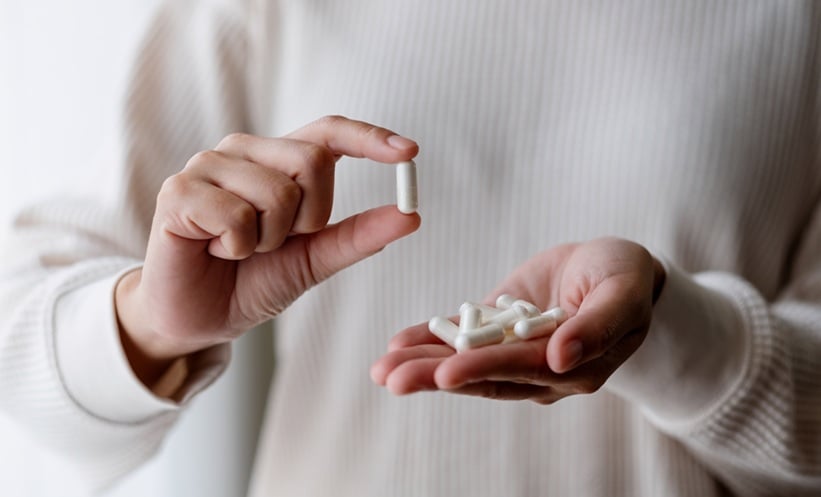
The study randomly assigned 5,429 patients to receive either 81 mg of aspirin once daily or 10 mg of oral rivaroxaban once daily during the first 5 days after surgery. Following the initial treatment period, all patients received 81 mg of aspirin daily for a further 9 days after knee arthroplasty or 30 days after hip arthroplasty. Participants were followed for 90 days to assess symptomatic VT, defined as proximal deep vein thrombosis or pulmonary embolism, alongside bleeding complications.
Symptomatic VTE occurred in 13 of 2,718 patients (0.48%) receiving aspirin alone compared with 12 of 2,647 patients (0.45%) receiving rivaroxaban followed by aspirin. Statistical analysis confirmed noninferiority of aspirin alone: risk difference: 0.02 percentage points; 95% confidence interval: −0.34–0.39; P<0.001 for noninferiority.
Similar Bleeding Rates May Support Treatment Decisions
Safety outcomes were also comparable between the treatment groups. Major bleeding or clinically relevant nonmajor bleeding events occurred in 45 of 2,718 patients (1.66%) receiving aspirin alone and 54 of 2,647 patients (2.04%) receiving rivaroxaban followed by aspirin: risk difference: −0.38%; 95% confidence interval: −1.11–0.34. No clinically relevant difference in bleeding was observed between the two approaches.
These findings suggest that aspirin alone provided protection against symptomatic VTE that was comparable with an initial rivaroxaban strategy while maintaining a similar bleeding profile. From a haematology perspective, the results strengthen the evidence supporting aspirin as a postoperative thromboprophylaxis option after total hip and total knee arthroplasty. The data may help clinicians considering antithrombotic strategies by demonstrating that aspirin alone achieved effective venous thromboembolism prevention without increasing bleeding risk in this surgical population.
Reference
Shivakumar S et al. Rivaroxaban then aspirin vs. aspirin alone after total hip or knee arthroplasty. N Engl J Med. 2026;DOI:10.1056/NEJMoa2603649.
Featured Image: Farknot Architect on Adobe Stock