Key Summary:
- XmAb18968 was tested in 22 adults with relapsed or refractory acute leukaemia.
- Two evaluable AML patients achieved MRD-negative complete remission.
- No Grade 3 or higher cytokine release syndrome or neurotoxicity occurred.
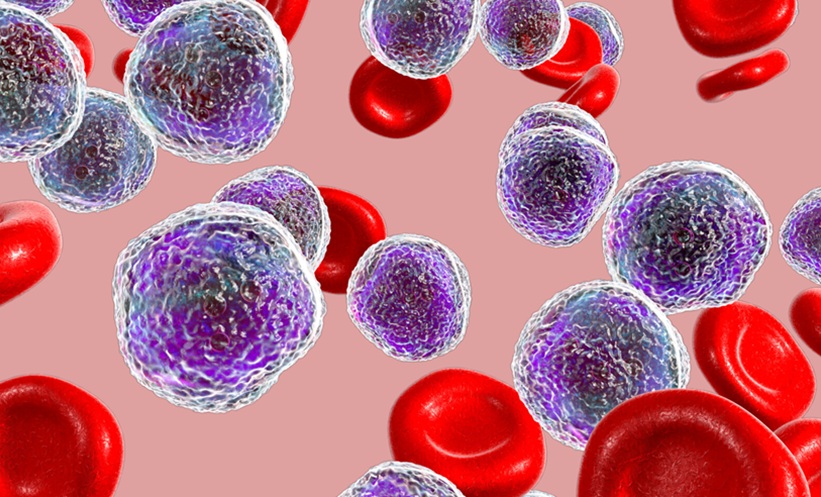
A NOVEL bispecific antibody has demonstrated encouraging early activity in patients with heavily pretreated acute myeloid leukaemia (AML) and T-cell acute lymphoblastic leukaemia (T-ALL).
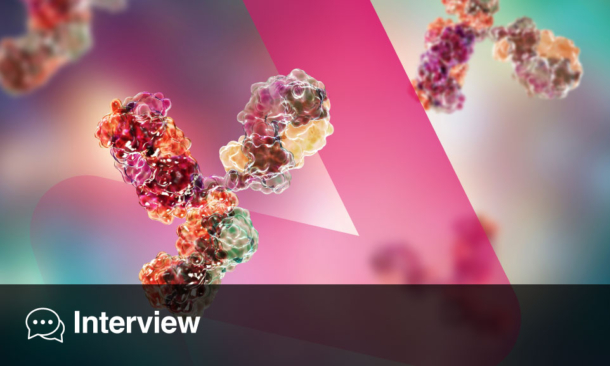
The Phase I trial found that XmAb18968, which simultaneously targets CD38 and CD3, was tolerable and produced responses in some patients with relapsed or refractory disease.
CD38 is a transmembrane protein expressed at high levels in AML and T-ALL. XmAb18968 is designed to bind CD38 on malignant cells and CD3 on T cells, bringing immune cells into close proximity with their targets.
Researchers enrolled 22 adults with relapsed or refractory AML or T-ALL. Thirteen had AML and nine had T-ALL, with a median patient age of 63 years.
Participants had received a median of three previous lines of therapy, with some having received as many as eight. More than three-quarters had previously received venetoclax, while others had undergone allogeneic haematopoietic cell transplantation, CD7 CAR T-cell therapy or treatment with daratumumab.
Seventeen patients completed at least one cycle of XmAb18968 and were evaluable for response.
Among 11 evaluable patients with relapsed or refractory AML, one achieved a partial remission and two achieved measurable residual disease-negative complete remission.
Of six evaluable patients with T-ALL, four experienced a meaningful reduction in disease burden, including one patient who achieved clearance of measurable residual disease.
Median overall survival was 8.5 months for patients with AML and 8.7 months for those with T-ALL.
Grade 3 or higher adverse events included neutropenia in 18% of patients, anaemia in 14%, and thrombocytopenia in 14%.
Importantly for a T-cell-engaging therapy, investigators observed no Grade 3 or higher cytokine release syndrome or neurotoxicity.
However, the small Phase I study was designed primarily to assess safety and tolerability, meaning conclusions about treatment efficacy remain preliminary.
The researchers conclude that XmAb18968 demonstrated an encouraging safety profile and early evidence of antileukaemic activity, supporting further investigation of CD38-targeted approaches in patients with difficult-to-treat acute leukaemia.
Reference
Guru Murthy GS et al. Targeting CD38 with bispecific antibody XmAb 18968 in patients with relapsed/refractory acute myeloid leukemia and T-cell acute lymphoblastic leukemia. Leukemia. 2026. doi:10.1038/s41375-026-03130-x.
Featured image: Motion Pics on AdobeStock
Each article is made available under the terms of the Creative Commons Attribution-Non Commercial 4.0 License.