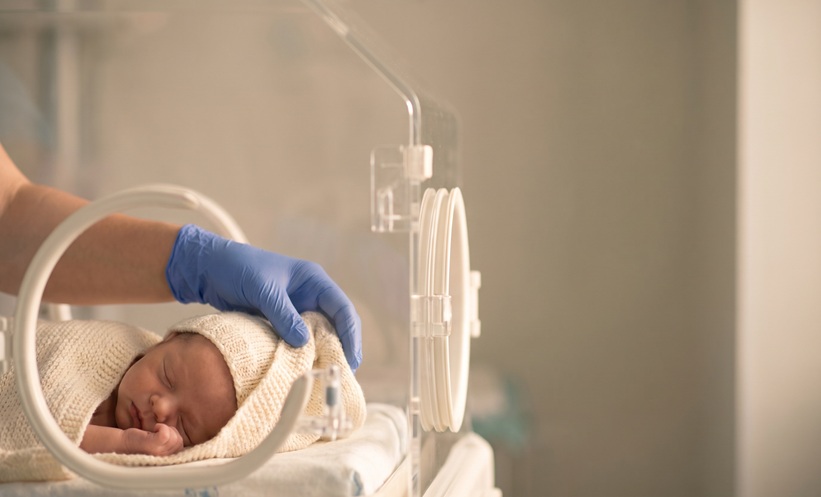
RED blood cell transfusion practices were associated with serious clinical outcomes in very low birth weight infants, with pretransfusion haemoglobin levels and anticoagulant preservative solution emerging as the main factors linked to morbidity and mortality in a large multicentre cohort study.
Researchers investigated whether potentially modifiable aspects of transfusion, including donor characteristics, blood storage, and transfusion practices, influenced outcomes in this high-risk neonatal population.
The prospective birth cohort study enrolled 2,605 infants with a birth weight below 1,500 g between 1 April 2019 and 31 December 2023 across eight hospitals in the USA. Among these infants, 1,283 received at least one red blood cell transfusion. Researchers linked electronic medical record data with blood donor and blood component information and evaluated outcomes through 90 days or until death. The primary outcome combined severe intraventricular haemorrhage, necrotising enterocolitis, late onset sepsis, severe bronchopulmonary dysplasia, retinopathy of prematurity, or death. Multivariable analyses accounted for illness severity and clustering within hospitals.
Red Blood Cell Transfusion Factors Associated with Outcomes
Higher median pretransfusion haemoglobin levels were associated with increased odds of the composite outcome: (odds ratio:1.15; 95% CI:1.07–1.25; p<0.001). In contrast, the use of additive solution one or additive solution five instead of citrate phosphate dextrose adenine or citrate phosphate dextrose as the anticoagulant preservative solution was associated with lower odds of the composite outcome: (odds ratio:0.72; 95% CI:0.53–0.97; p=0.03).
Most other potentially modifiable donor characteristics and blood banking practices showed no significant association with the primary outcome. These findings suggest that many commonly considered transfusion related variables may have limited influence on overall morbidity or mortality in this population.
Individual Outcomes Highlight Potential Targets
Several associations emerged when individual clinical outcomes were analysed. Anticoagulant preservative solution was associated with a lower risk of severe bronchopulmonary dysplasia for additive solution one and additive solution five: (odds ratio:0.48; 95% CI:0.33–0.69) and for additive solution three: (odds ratio:0.65;95% CI:0.56–0.77). However, additive solution three was also associated with an increased risk of necrotising enterocolitis: (hazard ratio:5.33; 95% CI:1.22–23.29).
Higher transfusion dose was associated with increased mortality: (hazard ratio:1.25; 95% CI:1.17–1.35 per 5 mL/kg). Donor age of 60 years or older was associated with lower mortality: (hazard ratio:0.63; 95% CI:0.44–0.92). Shorter post irradiation storage duration of less than 1 day was associated with a lower risk of necrotising enterocolitis: (hazard ratio:0.44; 95% CI:0.22–0.89), while female donor sex was associated with a lower risk of severe intraventricular haemorrhage: (hazard ratio:0.60; 95% CI:0.36–0.99).
Implications for Clinical Practice
The findings indicate that pretransfusion haemoglobin level and anticoagulant preservative solution may represent clinically relevant and potentially modifiable aspects of red blood cell transfusion in very low birth weight infants. In contrast, most donor characteristics and blood banking practices were not associated with the composite measure of serious morbidity or mortality. The investigators concluded that selected transfusion related factors warrant further evaluation as potential targets to improve outcomes in this vulnerable population.
Reference
Hendrickson JE et al. Red blood cell transfusion characteristics and morbidity or mortality in very-low-birth-weight infants. JAMA Netw Open. 2026;9(6):e2619301.
- Author: