Meeting Summary
During this symposium at the European Hematology Association (EHA) Annual Congress 2026, leading experts in haematological oncology explored the current and future therapeutic landscapes in mutated isocitrate dehydrogenase 1 (mIDH1) acute myeloid leukaemia (AML) and considered how to optimise treatment approaches for individual patients.
Gail Roboz from Weill Cornell Medicine, New York Presbyterian Hospital, USA, set the scene by outlining the epidemiology and clinical characteristics of mIDH1 AML. Agnieszka Wierzbowska, from the Medical University of Lodz in Poland, then discussed treatment approaches for patients with mIDH1 AML ineligible for chemotherapy, including long-term follow-up data from the AGILE trial of ivosidenib (IVO) and new real-world evidence (RWE).
This was followed by practical insights into the patient pathway and clinical management of mIDH1 AML using fictional case-driven examples. Klaus Metzeler, from University Hospital Leipzig in Germany, focused on the management of chemotherapy-ineligible mIDH1, covering key clinical issues such as mutation testing, treatment sequencing, and toxicity management. Finally, Vladimir Lazerevic from Skånes University Hospital in Lund, Sweden, explored the personalisation of treatment strategies for patients with AML eligible for chemotherapy, including a look at new combination approaches under investigation.
Support: This symposium and the development of this article were funded by Servier.
Chairperson: Gail Roboz1
Authors: Agnieszka Wierzbowska,2 Klaus Metzeler,3 Vladimir Lazarevic4
1. Weill Cornell Medicine, New York Presbyterian Hospital, USA
2.Department of Hematology, Faculty of Medicine, Medical University of Lodz, Poland
3.Department of Hematology, Cell Therapy, Hemostaseology and Infectious Diseases, University Hospital Leipzig, Germany
4.Department of Hematology, Oncology and Radiation Physics, Skånes University Hospital, Lund, Sweden
Disclosure: Roboz declares consultancy for AbbVie, Amgen, AstraZeneca, Bristol Myers Squibb, Caribou Biosciences, Celgene, Daiichi Sankyo, Ellipses Pharma, Genoptix, GlaxoSmithKline, Geron, Glycomimetics, Janssen, Jasper Pharmaceuticals, Jazz Pharmaceuticals, Molecular Partners, Morphosys, Neogenomics, Novartis, Oncoprecision, Oncoverity, Pfizer, Rigel, Roche, Syndax, Servier, and Kyowa Kirin; and research support from Janssen. Wierzbowska declares research grants from Jazz Pharmaceuticals and honoraria/advisory boards for AbbVie, Astellas, BMS/Celgene, Genesis, Gilead/Kite, Janssen, Novartis, Pfizer, Servier, and Swixx Biopharma. Metzeler declares consulting, speaker’s honoraria, and/or project funding from AbbVie, Ascentage Pharma, Astellas, AstraZeneca, BMS, Curis, Daiichi Sankyo, Janssen, Menarini StemLine, Novartis, Pfizer, Servier, Syndax, and Sysmex. Lazarevic has served on advisory boards for Abbvie, Astellas, Daiichi-Sankyo, Novartis, and Servier.
Acknowledgment: The authors thank Helen Boreham, HB Medical (UK) Ltd, Wetherby, UK, for providing medical writing/editorial support, which was funded by Servier, Suresnes, France, in accordance with Good Publication Practice (GPP 2022) guidelines.
Disclaimer: Prescribing Information for Tibsovo (ivosidenib)▼ can be found here. Always consult local prescribing information in country of practice as information may vary. ▼This medicinal product is subject to additional monitoring. This will allow quick identification of new safety information. Healthcare professionals are asked to report any suspected adverse reactions. Adverse events reporting information can be found at the end of this article.
Patient case studies are fictitious and for educational purposes only. Ivosidenib in combination with azacitidine is indicated for the treatment of adult patients with newly diagnosed AML with an isocitrate dehydrogenase-1 (IDH1) R132 mutation who are not eligible to receive standard induction chemotherapy.
Keywords: Acute myeloid leukaemia (AML), AGILE trial, azacitidine (AZA), isocitrate dehydrogenase-1 (IDH1) inhibitor, intensive chemotherapy (IC), mutated isocitrate dehydrogenase (mIDH1), ivosidenib (IVO), menin inhibitor, molecular target, venetoclax (VEN).
Introduction to mIDH1 AML
Roboz explained that isocitrate dehydrogenase 1 and 2 (IDH1/IDH2) are key enzymes that link citrate metabolism to DNA methylation. They catalyse oxidative decarboxylation of isocitrate to produce α-ketoglutarate, an essential cofactor for TET hydroxylases, mediating DNA methylation, and histone demethylases. However, in IDH mutants, α-ketoglutarate is converted to the (R)-enantiomer of 2-hydroxyglutarate [(R)-2HG], an oncometabolite that inhibits the activity of critical histone and DNA demethylases.1-3
IDH1 mutations are found across a range of different cancer types, including haematological malignancies such as AML, where the estimated prevalence is 6–10%.1,4 This equates to around 3,000 patients diagnosed with mIDH1 AML in the USA annually.1 The IDH1 mutation is enriched in older adults, and the median age at diagnosis of mIDH1 AML is 61 years.1 mIDH1 AML also shows a male predominance of ~1.2:1.1 The most frequent codon 132 variant is R132C, followed by R132H and R132S.1,5-7 In pre-leukaemic biology, IDH1 mutations occur in ~3–4% of myelodysplastic syndromes and in clonal haematopoiesis. They are also enriched in secondary AML.1,5-7
mIDH1 alone is associated with intermediate risk in intensively treated patients according to the European Leukaemia Net (ELN) 2022 and 2024 classification.8,9 However, this risk is also co-mutation dependent, with an NPM1 co-mutation being favourable and TP53 or complex karyotype overriding. The most commonly occurring co-mutations in mIDH1 AML are DNMT3A (~35%), NPM1 (~25%), and FLT3-ITD and NRAS/PTPN11 (both ~15%).5-7
Summarising the clinical characteristics of mIDH1 AML, Roboz noted that the condition is often associated with older age, normal or other intermediate-risk cytogenetics, and normal platelet levels at presentation.3 Prognosis depends on the co-mutations, with concomitant NPM1 mutation conferring better prognosis overall.3
Roboz highlighted how understanding of the role of IDH mutations in cancer and AML has evolved over recent years, culminating in the development and approval of IDH inhibitors as new treatment options. Three IDH inhibitors are now approved in the AML space: enasidenib (ENA; IDH2m inhibitor), olutasidenib (mIDH1 inhibitor), and IVO (mIDH1 inhibitor; Figure 1).1,3,10-14 Alongside these IDH inhibitors, the current treatment landscape for AML also includes several drugs with specific molecular targets, including FLT3 and menin.15
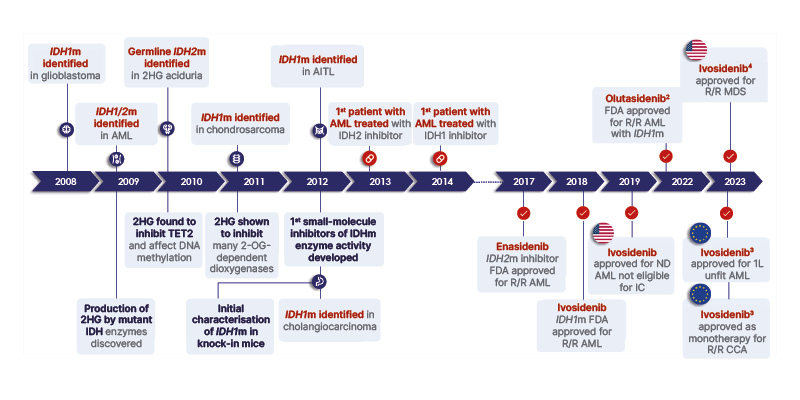
Figure 1: IDH mutations and IDH inhibitor development in cancer and AML.1,3,10-14
2HG: 2-hydroxyglutarate; AML: acute myeloid leukaemia; CCA: cholangiocarcinoma; IC: intensive chemotherapy; IDH: isocitrate dehydrogenase; IDH1: isocitrate dehydrogenase 1; IDH1m: mutant isocitrate dehydrogenase 1; IDH2: isocitrate dehydrogenase 2; IDH2m: mutant isocitrate dehydrogenase 2; R/R: relapsed/refractory.
As the mIDH1 treatment landscape continues to advance, Roboz emphasised key clinical questions that are still to be addressed. These include the identification of best combination partners for hypomethylating agent (HMA)-based treatments and intensive chemotherapy (IC), the role of transplant and maintenance therapy, and the value of minimal residual disease (MRD) measurement in clinical management.1
Navigating Treatments for Patients with IC-Ineligible mIDH1 AML
The key upfront decision in the therapeutic algorithm for AML is whether or not to treat with IC as initial induction therapy.8 As Wierzbowska explained, younger and medically fit patients may be candidates for IC, which aims to cure the underlying leukaemia.1,8 Conversely, less intensive treatments such as HMAs or targeted therapies may be more suitable for older/frailer patients, or those with significant comorbidities, where the therapeutic goal is to prolong survival and improve qualityof life.1,8
According to ELN 2022 recommendations for AML treatment, patients ineligible for IC should undergo rapid IDH1 mutation screening at initial diagnosis to identify those suitable for IDH1 inhibitor-based treatment. Other patients receive mutation-agnostic therapies: venetoclax (VEN)+HMAs or low-dose cytarabine, or best supportive care. IVO+azacitidine (AZA) is specifically recommended for patients who are IC-ineligible carrying the IDH1 mutation.8 This combination regimen was evaluated in the Phase III AGILE trial in which 146 patients with AML, not candidates for IC and with a confirmed mIDH1, were randomised 1:1 to IVO (500 mg orally once daily [QD])+AZA (75 mg/m2 of body surface area subcutaneously/intravenously) or placebo (PBO)+AZA. The primary endpoint was event-free survival (EFS), with secondary endpoints including overall survival (OS), complete response (CR), and complete response with partial haematologic recovery (CRh).16
Wierzbowska presented results from long-term follow-up of the AGILE trial, showing that IVO+AZA significantly prolonged OS and improved CR and CRh versus PBO+AZA in patients with mIDH1 AML ineligible for IC (Figure 2).1,16,17 Median OS (mOS) was 29.3 months for IVO+AZA versus 7.9 months for PBO+AZA (hazard ratio: 0.42; p<0.001) at a median follow-up of 28.6 months. CR+CRh rates were 52.8% versus 17.6%, respectively.1,17
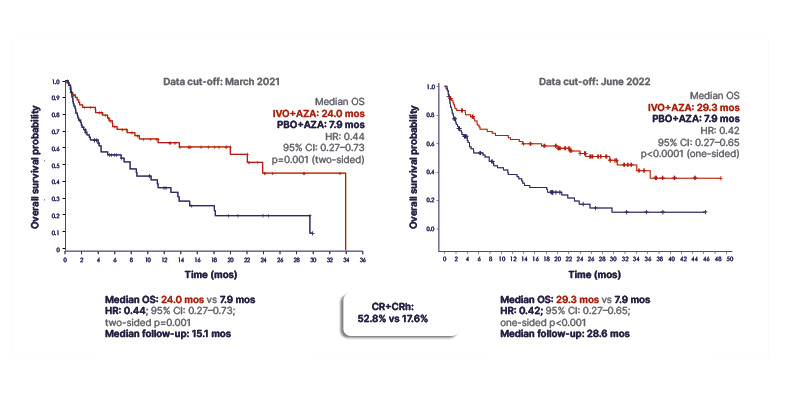
Figure 2: Long-term follow-up of the AGILE study.1,16,17
AZA: azacitidine; CR: complete remission; CRh: complete remission with partial haematologic recovery; HR: hazard ratio; IVO: ivosidenib; mos: months; OS: overall survival; PBO: placebo; vs: versus.
Long-term follow-up of the AGILE study also demonstrated faster and more durable haematological recovery in the IVO+AZA versus PBO+AZA groups as evaluated by haemoglobin, platelet, and average neutrophil counts. Transfusion independence occurred more frequently in the IVO+AZA (53.8%) versus PBO+AZA (17.1%) arms (p=0.0004).17
Wierzbowska went on to discuss data from several recently presented RWE studies of IVO+AZA, highlighting how these real-world outcomes closely mirror the AGILE trial results.1 ALIDHE is an ongoing Phase IIIb, open-label study investigating IVO+AZA in clinical practice in IC-ineligible patients with mIDH1 AML.18,19 Preliminary efficacy results from patients treated with IVO+AZA in the ALIDHE study (n=89) showed comparable real-world ORR and MRD to those reported in the IVO+AZA arm of AGILE (n=72). ORR was 58.4% in ALIDHE (as compared to 62.5% in AGILE), and 45.5% of patients in CR with available MRD data by multiparameter flow cytometry achieved MRD negativity.18,19 Similarly, a real-world study evaluating outcomes with on-label use in the USA reported a mOS of 31.9 months in patients with newly diagnosed mIDH1 AML receiving first-line IVO+AZA (n=25).20
Wierzbowska also discussed the results from IVOOBs, a French real-world study evaluating IVO monotherapy (n=16) versus IVO+AZA (n=33) in first-line mIDH1 AML. Composite complete remission (cCR) rates were 37% versus 73%, and mOS was 4.5 months compared to not reached, respectively. Early mortality and differentiation syndrome (DS) were also more frequent in the monotherapy arm, supporting combination IVO+AZA as the preferred front-line regimen.21
The VIALE-A trial evaluated the combination of VEN+AZA in the treatment of AML unfit for IC.22-24 In this study, VEN+AZA significantly improved treatment response and OS compared to PBO+AZA.22 However, detailed analysis revealed that patients with mIDH2 derived greater benefit than those with IDH1 mutations, with cCR rates of 86% versus 67%; and median OS not reached versus 15.2 months, respectively.23,24
In the first study of its kind, VEN+HMA (n=99) was directly compared to IVO+HMA (n=181) in a recently published retrospective analysis evaluating a large, real-world cohort of newly diagnosed patients with AML with mIDH1.25 Those treated with IVO+HMA had higher CR and complete remission with incomplete haematologic recovery rates, shorter median time to best response, and improved 6-month EFS versus VEN+HMA.25 The rate of Grade ≥3 adverse events within the first 30 days of treatment was similar, except for significantly lower rates of febrile neutropenia for IVO+HMA (1.7%) versus VEN+HMA (8.1%).25 However, these data should be interpreted with caution due to several limitations. Only a minority of patients (22%) received the full FDA-approved VEN dosing, and the dosing schedule had a significant impact on CR rates.25
Finally, Wierzbowska explored potential future directions in patients with mIDH1 ineligible for IC, which may include VEN+HMA-based triplets incorporating novel inhibitors of IDH, FLT3, and menin.1 Early-stage trials investigating the triplet combination of IVO+VEN+AZA have demonstrated clinical activity in mIDH1 AML, producing numerically superior MRD-negative rates to IVO+VEN (75% versus 50%) and improved EFS (12-month: 84% versus 50%).26,27 The ongoing randomised EVOLVE-1 trial, which is a joint study between several leading haematology societies, is expected to provide further important evidence on the clinical activity of IVO+VEN+AZA compared to the currently approved combination of IVO+AZA in IC-ineligible patients with mIDH1 AML.28,29
Spotlight Clinical Case: How to Practically Manage Patients with IC-Ineligible mIDH1
To shed further light on the practical issues associated with mIDH1 AML management, Metzeler discussed the case study of a newly diagnosed 65-year-old female patient who presented with hyperleukocytosis (white blood cell count: 103 G/L) but was fit before the onset of acute illness. However, on Day 2, the patient developed a spontaneous subcapsular liver haematoma, with various associated complications, and was transferred to the ICU. At this point, the patient was clearly no longer fit for IC, Metzeler pointed out.1
As Metzeler explained, the initial goal with this patient had been to await genetic testing results before starting induction therapy. Timelines and methods for mutation testing in AML are therefore important factors in overall clinical management. Current ELN guidelines advise that results for IDH1/2 and NPM1 should preferably be available within 3–5 days.8,9 Testing methodologies include next-generation sequencing (NGS), Sanger sequencing, and PCR-based methods. While NGS has become the standard testing modality at many centres, turn around times (TATs) often exceed the 5-day target and additional targeted assays for therapeutically relevant molecular alterations may thus be needed.8,30
Real-world data indicate a median TAT of 7 days from mIDH1 testing to results and 20 days from testing to treatment start. The observation that median time to treatment initiation significantly exceeds molecular testing TAT supports the feasibility of biomarker-guided frontline decisions, Metzeler stressed.1,18,25 The impact of waiting for molecular testing results must also be considered, he noted. Findings from real-world patient cohorts support that longer times to treatment initiation did not negatively affect outcomes in non-fit patients with AML treated with HMA+VEN; indicating that in many patients, waiting for molecular testing results is feasible.31,32
Returning to the patient case study, Metzeler explained that results from genetic testing showed a mutation in NPM1, and an IDH1 p.R132C mutation. He also pointed out that IDH1/2 mutations are early events during leukemogenesis, and are often found in the dominant leukaemic clone.33
When it comes to frontline therapy of non-fit AML, Metzeler suggested that clinicians face a choice between ‘one-size-fits-all’ VEN+AZA or genotype-adapted therapy.1 For non-fit mIDH1 AML, current German Oncopedia guidelines recommend IVO+AZA or VEN+AZA/decitabine.34 Similarly, National Comprehensive Cancer Network (NCCN) guidelines highlight both VEN+AZA and IVO+AZA as preferred Category 1 treatment regimens for AML with mIDH1.35
Metzeler then highlighted that the choice of front-line therapy in IC-ineligible IDH1m AML, whether to use BCL2 inhibitors or IDH1/2 inhibitos first, is a question of therapy sequencing because most patients will ultimately progress and require second-line therapy.1 In this context, retrospective studies have shown low response rates to IDH1/2 inhibitors after VEN, whereas VEN can be an effective salvage therapy in patients previously treated with IDH1/2 or FLT3 inhibitors.36-38 Preliminary data presented at EHA 2026 have raised further interest in the potential impact of treatment sequencing in mIDH1 AML on clinical outcomes.39
Referring back to the clinical casestudy, Metzeler explained that treatment with IVO+AZA was initiated for this patient on Day 6. A rise in platelet and neutrophil counts occurred on Day 23 and Day 26, respectively, and bone marrow aspirateon Day 32 showed a CR with 3.5% blasts. This pattern of haematopoetic recovery reflects that seen in the AGILE trial, he noted, where IVO+AZA led to earlier neutrophil recovery, fewer infectious events (35% versus 51% for AZA+IVO versus AZA+PBO), and higher rates of transfusion independence versus PBO+AZA.40
Treatment with IDH inhibitors can result in DS and therefore requires close monitoring.3,41 Metzeler noted that DS was reported in 14% of patients receiving IVO+AZA in the AGILE trial, with a median onset of 20 days (range: 3–46) after initiation. Factors that should raise clinical suspicion of DS include: fever ≥38 °C, weight gain (>5 kg), hypotension, dyspnoea, pulmonary infiltrates, pleural/pericardial effusion, and acute kidney failure.11 Although DS can have different phenotypes, its occurrence is not a strong predictor of favourable response to IDH inhibitor therapy.41 For the treatment of DS, dexamethasone should be started at 10 mg every 12 hours for ≥3 days alongside haemodynamic monitoring. If there is insufficient improvement after 48 hours or severe DS develops, IVO treatment should be paused. Leukocytosis >25 G/L or an increase from baseline >15 G/L requires hydroxyurea. Steroids and hydroxyurea should not be tapered until after symptom resolution to avoid DS recurrence. If IVO was held, the full dose can be resumed once DS has recovered to ≤Grade 2.11,42 IVO also requires dose adjustment and corrected QT interval monitoring if co-administered with moderate or strong CYP3A inhibitors.11
In the clinical case study example, Metzeler described how MRD-negative CR by NPM1 PCR was attained after six cycles of IVO+AZA, and the patient is continuing treatment.1 Data from the AGILE study and new RWE have provided insights into the relevance of MRD and outcomes in patients with mIDH1 AML treated with IVO+AZA.17,19 However, the relationship between MRD and OS/EFS has not yet been assessed in the ALIDHE study. Currently, no data are available on therapy discontinuation in MRD-negative patients, and there is no evidence to support discontinuing IVO+AZA in responders, Metzeler concluded.1,11
Personalising Treatment Strategies in Patients with IC-Eligible AML
Turning to the management of patients with mIDH1 AML eligible for IC, Lazarevic introduced the case of a fictional 69-year-old patient deemed fit for chemotherapy and eligible for allogeneic stem cell transplantation (alloSCT) based on the initial clinical presentation and medical history. As clinicians, should we wait for genetic results in this type of patient before starting therapy, Lazarevic questioned?
Real-world studies have evaluated the prognostic impact of time from diagnosis to treatment in intensively treated patients with AML. Results from a German retrospective multicentre study analysing time from AML diagnosis to start of intensive treatment indicated that a treatment delay within 14 days had no negative prognostic impact.43 However, corresponding data from a large Swedish population-based study showed better survival probability in patients who received immediate treatment within 5 days, despite these patients having more advanced disease.44
According to ELN guidelines, the preferred TAT for cytogenetic testing is 5–7 days.8,9 The somatic diagnosis AML algorithm used at Lazarevic’s centre in Lund, Sweden, also typically delivers an NPM1, FLT3, IDH1/2, and TP53 report within 6–8 days as ‘fast track’ (based on targeted, tumour-only Genomic Medicine Service [GMS] myeloid genetic panel testing).1
In this clinical case study, ‘fast track’ mutation results were received showing positivity for NPM1 Type A VAF (46%) and IDH1 R132H VAF (35%), with complete NGS results pending.1 Lazarevic reiterated that co-occurring mutations of NPM1 and IDH1/2 are common at diagnosis of AML, with recent studies estimating that 38–55% of patients may be carriers of both.45,46 In addition, he cautioned that 25% of patients with NPM1 AML can have an ‘acute promyelocytic leukaemia (APL)-like’ immunophenotype and a higher rate of co-mutation with IDH1/2, which could lead to more vascular complications and a higher early death rate.47
Lazarevic then moved on to consider the key question of whether this patient should be treated with IC or a less intensive combination therapy. The PARADIGM trial was a Phase II, randomised, open-label, multicentre study which compared the therapeutic activity of conventional induction chemotherapy (7+3 regimen or liposomal daunorubicin and cytarabine; n=86) to the combination of VEN+AZA (n=86) among fit, traditionally induction-eligible adults with newly diagnosed AML.48,49 ORR was found to be significantly higher for VEN+AZA (88%) versus IC (62%), as was cCR (81% versus 55%), respectively (p<0.001 for both).48,49 This study met its primary endpoint, showing that treatment with VEN+AZA led to significantly longer median EFS compared with conventional IC.48,49 Lazarevic cautioned that these results do not provide a rationale for disregarding IC but signal a potential alternative treatment approach for fit, mostly high-risk but even intermediate-risk patients eligible for alloSCT.
Looking to the horizon, other combination regimens not yet approved for IC-eligible AML are also undergoing clinical evaluation.
The combination of IVO withintensive induction and consolidation chemotherapy in fit patients (n=60) with newly diagnosed mIDH1 AML was evaluated in a Phase I open-label, multicentre clinical trial.50 Results showed that adding IVO to intensive chemotherapy, followed by maintenance, produced durable long-term responses, with a 60-month OS probability of 61%. For four patients with a TP53 mutation, OS ranged from 18–66 months; one patient had an OS of 0.8 months.50,51
The combination of IC and IDH1/2 inhibition is also being evaluated in the ongoing HOVON150 study, results from which are expected to be presented at upcoming international meetings. This Phase III, multicentre, double-blind, randomised, PBO-controlled study is evaluating IVO or the IDH2 inhibitor ENA in combination with induction therapy and consolidation therapy, followed by maintenance 7+3+IVO/ENA versus 7+3+PBO. The primary endpoint of the study is EFS.52
A number of trials of first-line menin inhibitors in IC-eligible AML are also planned or ongoing.1 Among these is the Phase III HOVON 181/AMLSG37-25 study evaluating the efficacy and safety of the menin inhibitor bleximenib in combination with IC.52 This global randomised, double-blind, PBO-controlled, multicentre study will assess bleximenib versus PBO in combination with standard of care remission induction and consolidation IC followed by maintenance therapy in adults with newly-diagnosed KMT2Ar or mNPM1 AML.53
Returning to the clinical case study, Lazarevic explained that the decision was made to treat with alloSCT. The patient underwent two courses of IC, which led to a CR, and then received unrelated donor alloSCT.
Summary
Understanding the role of gene mutations in underlying disease pathophysiology in AML has helped advance the treatment landscape. Up to 20% of AML cases are driven by mutant IDH enzymes, and mIDH1 inhibitors such as IVO are now approved as targeted treatment options. Other new agents, such as menin inhibitors and FLT3 inhibitors, and novel combination regimens are also undergoing clinical development. This expanding therapeutic toolkit may enable treatment for individual patients with AML to be optimised and personalised in real-world oncology practice moving forward, based on eligibility for IC together with other key clinical factors.
| All adverse events and product quality complaints should be reported to https://servier.com/en/contact/report-a-side-effect/ |