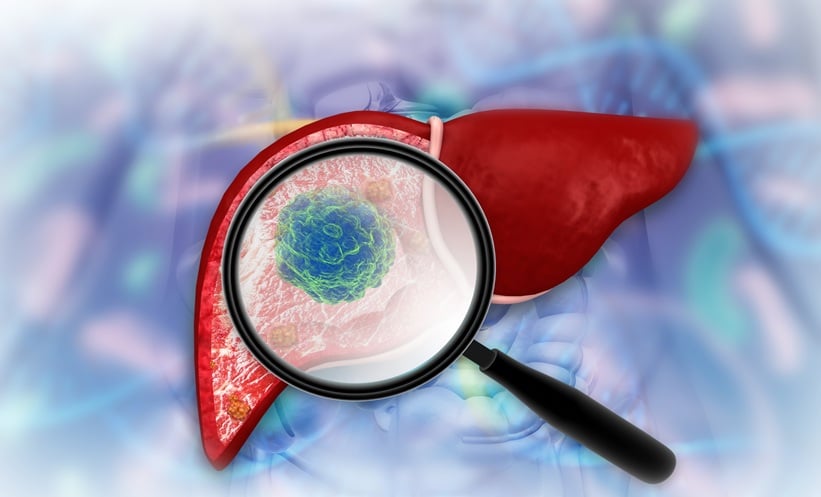
Metabolic dysfunction-associated steatotic liver disease (MASLD) progression is closely linked to oxidative stress, which may contribute to liver inflammation, fibrosis, and more advanced disease.
The review examined the mechanisms connecting oxidative damage with MASLD progression and explored emerging therapeutic strategies, highlighting the limitations of antioxidant-based treatments.
Understanding Oxidative Stress in MASLD
MASLD is characterised by fat accumulation in liver cells and can progress to metabolic dysfunction-associated steatohepatitis (MASH), fibrosis, cirrhosis, and hepatocellular carcinoma. The review estimated that the condition affects approximately 32% of adults globally and highlighted its associations with obesity, Type 2 diabetes, and insulin resistance.
Oxidative stress develops when the production of reactive oxygen species (ROS) exceeds the body’s antioxidant defences. In MASLD, excessive ROS can damage cellular components and promote lipid peroxidation, inflammation, and immune cell activation. The review identified malondialdehyde and 4-hydroxynonenal as important byproducts of lipid peroxidation that contribute to cellular injury.
Researchers also described interactions between oxidative stress, mitochondrial dysfunction, insulin resistance, and inflammatory pathways. Together, these processes may contribute to the transition from hepatic steatosis to MASH and fibrosis.
Biomarkers and Emerging Therapeutic Strategies
The review discussed several potential oxidative stress biomarkers, including malondialdehyde, 4-hydroxynonenal, F2-isoprostanes, and 8-hydroxy-2-deoxyguanosine. Although these markers have been associated with oxidative damage and disease activity, their diagnostic and prognostic value remains insufficiently established.
Differences in measurement methods, a lack of standardised thresholds, and limited clinical validation restrict their use in routine practice.
Potential therapeutic approaches included activating antioxidant pathways, improving mitochondrial function, and targeting lipophagy.
Researchers also discussed lifestyle interventions, including regular exercise and dietary modification, alongside treatments that address metabolic dysfunction and insulin resistance.
A Multitargeted Approach to MASLD
Researchers concluded that conventional antioxidant treatments have shown insufficient clinical efficacy as standalone therapies. They suggested that future strategies should address oxidative stress alongside mitochondrial dysfunction, metabolic abnormalities, and inflammatory pathways.
Further research is also needed to develop and clinically validate oxidative stress biomarkers that could support earlier risk assessment and treatment monitoring. The review emphasised that a multidisciplinary approach will be important for advancing MASLD management.
Reference
Sharma K R et al. Metabolic dysfunction-associated steatotic liver disease: the role of oxidative stress and emerging therapeutic strategies. Egypt Liver J.2026; DOI: 10.1186/s43066-026-00572-x.