Key Summary:
- Increased health risks for older adults and people with chronic conditions.
- Heat-related mortality sae 85% increase between 2000-2001 for over 65s.
- Rapid heat responses and preparedness remain essential for prevention.
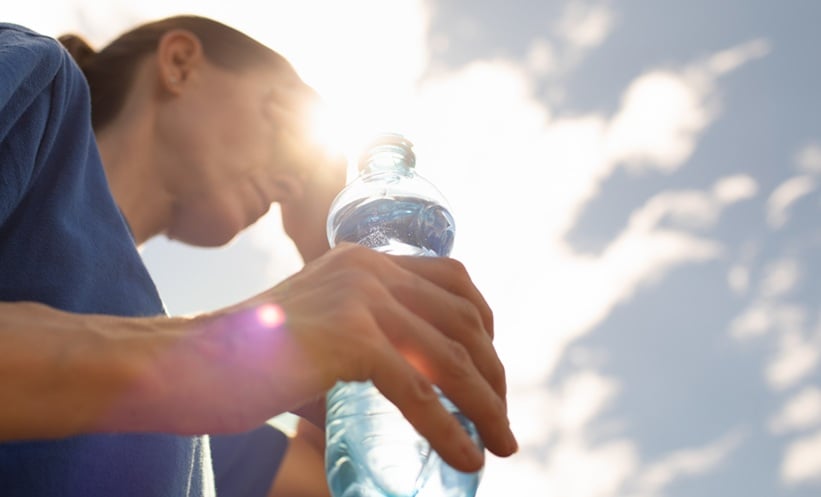
HEATWAVES are increasing the risk of heat-related illness and death, with extreme heat placing growing pressure on patients, healthcare services and vulnerable populations, according to WHO. It was highlighted that heat stress can worsen cardiovascular disease, diabetes, respiratory conditions and mental health problems, while heatstroke represents a medical emergency with a high case fatality rate.
Heatwaves and prolonged periods of excess heat have become more frequent, longer and more intense. The WHO reported that heat-related mortality among people aged over 65 increased by approximately 85% between 2000–2004 and 2017–2021.
Between 2000–2019, an estimated 489,000 heat-related deaths occurred globally each year. Europe accounted for 36% of these deaths. During the summer of 2022 alone, an estimated 61,672 excess heat-related deaths occurred in Europe.
The health effects of heat can develop rapidly. Sustained high temperatures place physiological stress on the body as it attempts to regulate its internal temperature. This can increase the risk of heat exhaustion and heatstroke, while also placing additional strain on the cardiovascular and renal systems and increasing the risk of acute kidney injury.
Older adults and people living with cardiovascular, respiratory or renal conditions, diabetes, dementia and other chronic illnesses are particularly susceptible to heat. Outdoor and manual workers, athletes and civil protection employees can also face substantial occupational heat exposure.
Socioeconomic circumstances and living environments further influence risk. People living in poor-quality housing or without access to cooling may experience greater exposure, while urban environments can amplify heat through building materials and reduced greenspace.
For healthcare professionals, the WHO emphasised the importance of recognising that hospitalisations and deaths associated with extreme heat can occur on the same day or during the days immediately following exposure. This means clinical and public health responses need to be implemented rapidly when heat alerts are issued.
Preparedness Can Prevent Harm
The WHO stated that many negative health effects of heat are predictable and largely preventable through public health and multisectoral interventions. Heat action plans, early warning systems and emergency response planning can help identify vulnerable populations and strengthen preparedness across health services.
Health services may also face operational disruption during extreme heat, including impacts on power supplies, transport and infrastructure. The WHO therefore called for stronger preparedness alongside longer-term action to reduce greenhouse gas emissions and limit the health consequences of rising extreme heat.
World Health Organization (WHO). Climate change, heat and health. Available at: https://www.who.int/news-room/fact-sheets/detail/climate-change-heat-and-health. Last accessed: 17 August 2026.
Featured Image: kieferpix on Adobe Stock
Each article is made available under the terms of the Creative Commons Attribution-Non Commercial 4.0 License.