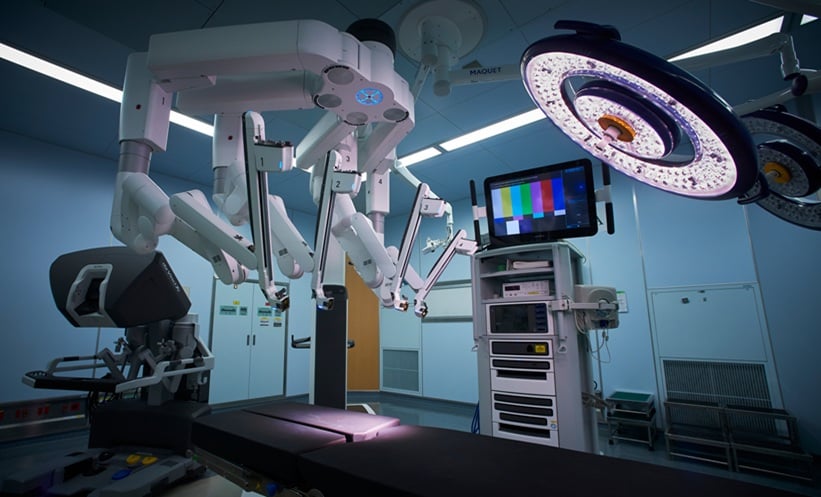
NEW milestone reached in robotic telesurgery with surgeons successfully performing a bariatric procedure across a distance of 3,200km in Brazil. The operation connected a surgical team in Paraná with a patient in Paraíba to demonstrate how advanced robotic platforms, low-latency connectivity, and secure digital infrastructure are moving remote surgery closer to routine clinical practice.
Low-Latency Connectivity Enables Remote Robotic Surgery Across 3,200km
This study aimed to address previous barriers to telesurgery, including connectivity delays, reliability concerns and cybersecurity risks. Researchers used a hybrid redundant connectivity system, dedicated high-performance communication line, and real-time transmission with a latency below 35 milliseconds. Together with continuous audiovisual communication researchers were able to create a surgical robotic platform that allowed remote control.
The procedure, a robotic sleeve gastrectomy, was performed on a 50-year-old patient with severe obesity and metabolic complications. It was completed without technical difficulties, complications or interruptions, following standard surgical principles without modifying the technique.
Telesurgery Could Improve Access to Specialist Expertise
Moving beyond improved ergonomics and precision, robotic surgery development represents a shift towards digitally connected surgical systems where specialists can support procedures remotely. This enables broader access to expertise, and creates new models for training, mentoring and clinical collaboration.
The researchers noted that the successful procedure highlights the potential of robotic telesurgery to address geographical inequalities in healthcare delivery. By enabling specialists to provide remote support, these systems could help extend advanced surgical capabilities to regions where access to experienced bariatric teams is limited. The authors also suggested that telesurgical models may support collaborative care networks, allowing surgeons to share expertise and improve consistency in complex procedures.
Future Challenges for Widespread Adoption
Despite the technical success, the researchers emphasised that broader implementation will depend on addressing regulatory, ethical and infrastructure challenges. They highlighted the importance of clear professional responsibilities, cybersecurity measures and investment in reliable digital networks to ensure telesurgery develops safely and sustainably.
Reference
Nassif PAN et al. First robotic telesurgery applied to bariatric surgery in Latin America: technical fundamentals, operational challenges and perspectives in clinical practice. ABCD Arq Bras Cir Dig. 2026;39:e1939.
Featured Image: tetehasu on Adobe Stock
- Author: