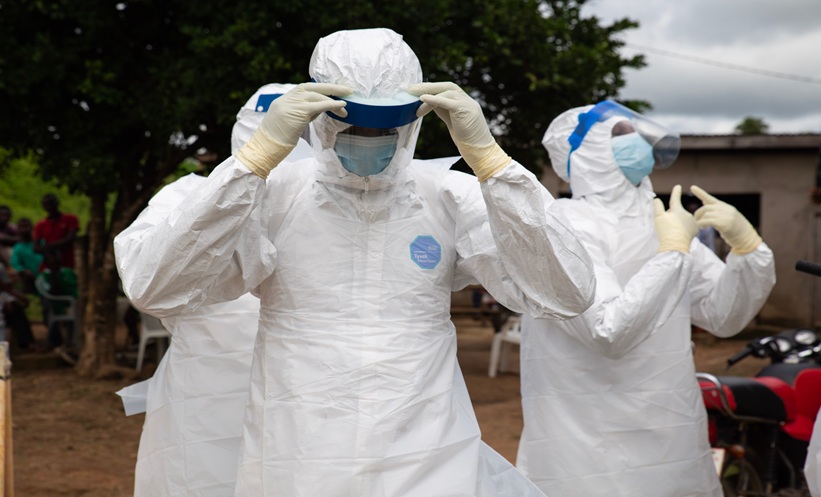
SUSTAINED transmission of Bundibugyo virus disease pushed confirmed cases past 11,600, prompting extended global emergency status. On November 18, 2026, the World Health Organization Director-General concurred with the International Health Regulations Emergency Committee that the ongoing outbreak in the Democratic Republic of the Congo continues to represent a public health emergency of international concern. Six months after the epidemic began in May 2026, persistent community spread and regional insecurity continue to complicate clinical containment efforts across central Africa.
Epidemiological Trends in Bundibugyo Virus Disease
Surveillance data through November 17, 2026, documented 11,613 cumulative confirmed cases, 5,678 deaths, and 3,148 recoveries across 68 health zones in eight provinces of the Democratic Republic of the Congo, corresponding to an overall crude case fatality ratio of 48.9%. Between November 6 and November 17 alone, health authorities recorded 945 additional confirmed cases and 480 deaths, with active transmission persisting in 48 health zones. Notably, 452 of the 720 deaths reported since late October occurred within communities outside dedicated treatment facilities. High community mortality underscores ongoing barriers to timely case detection, rapid isolation, and early supportive care in conflict-affected districts.
Regional Containment and Clinical Implications for Bundibugyo Virus Disease
No approved vaccines or targeted antiviral therapies currently exist for Bundibugyo virus disease, leaving aggressive supportive care, infection prevention, and community engagement as the primary clinical interventions. While transmission remains concentrated within the Democratic Republic of the Congo, regional containment has achieved measurable milestones. Bas-Uélé, Sud-Kivu, and Sud-Ubangi reported no new infections during the latest reporting period, with Sud-Kivu and Sud-Ubangi surpassing 42 days without cases. Furthermore, Kenya and Nigeria both entered 42-day countdowns toward declaring their local outbreaks over after all identified contacts completed 21-day monitoring without secondary transmission.
Strengthening Surveillance and Cross-Border Readiness
Despite encouraging containment in neighboring states, international health officials warn that continued exportation remains possible. Although travel and trade restrictions are not advised, clinicians and public health authorities are urged to maintain heightened diagnostic vigilance, laboratory capacity, and cross-border preparedness. For U.S. physicians evaluating febrile patients with recent international travel histories, prompt isolation, detailed exposure screening, and early coordination with public health laboratories remain essential to prevent secondary spread and improve clinical outcomes.
Reference
World Health Organization. Ebola disease caused by Bundibugyo virus: Democratic Republic of the Congo, Kenya and Nigeria. Disease Outbreak News. 2026. Available at: https://www.who.int/emergencies/disease-outbreak-news/item/2026-DON630.