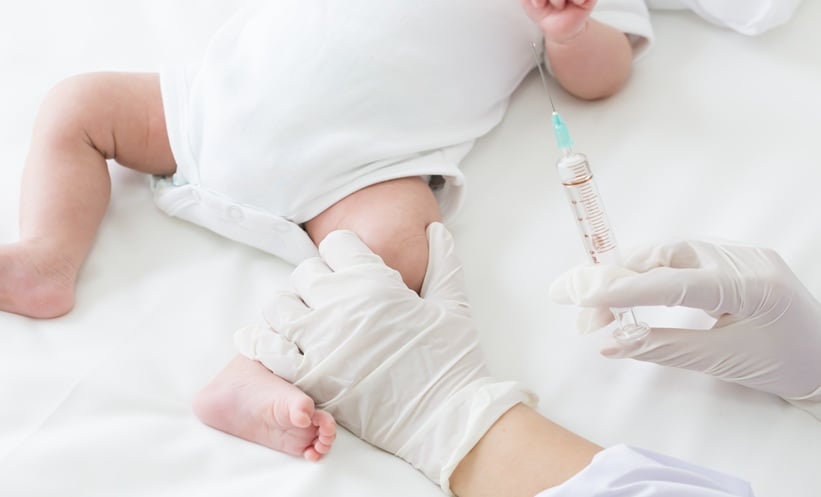
HOUSEHOLD contacts drive over half of all infant hepatitis B exposures, challenging selective neonatal vaccination recommendations. According to surveillance findings presented at IDWeek 2026, basing hepatitis B virus prophylaxis solely on maternal infection status leaves vulnerable infants unprotected against close contacts in the home environment.
Non-Maternal Transmission Gaps in Hepatitis B Vaccination
In January 2025, the Centers for Disease Control and Prevention narrowed hepatitis B vaccination recommendations from universal birth administration to targeted delivery only for infants whose mothers have active or unknown infection status. However, a retrospective cohort study of 158,169 children under age 5 across 131,800 Northern California households revealed that 58.2% of children exposed to active hepatitis B virus encountered the pathogen through a non-maternal household contact. Investigators identified 2,024 children sharing a residence with an individual demonstrating active hepatitis B virus infection, defined by positive surface antigen or viral DNA without subsequent surface antibody. Among these exposed children, 1,178 lived with non-maternal contacts, who were older than birth mothers (median age 44 versus 38 years) and predominantly male (76.5%).
While 100% of infants born to infected mothers received hepatitis B vaccination within seven days of birth, coverage dropped to 93.5% among children exposed to other household members. This coverage disparity leaves unvaccinated infants vulnerable during early development, months before routine childcare or school entry immunization mandates take effect.
Pediatric Vulnerability and the Clinical Imperative
Postnatal transmission occurs readily through contact with infectious bodily fluids, including saliva, tears, and blood. Moreover, the pathogen remains viable on ambient environmental surfaces for up to seven days. Because approximately 640,000 adults in the United States live with chronic hepatitis B, household exposure presents a substantial threat to unprotected infants.
Clinical consequences in this pediatric population are severe. Approximately 90% of infants infected during early life develop chronic hepatitis B, predisposing them to lifelong hepatic complications including cirrhosis and liver cancer. Study investigators emphasize that universal hepatitis B vaccination at birth provides essential protection against both documented and unrecognized sources of transmission, offering safe and effective prophylaxis for every newborn.
Reference
Jacobson KB et al. Household exposure to hepatitis B virus in children <5 years within Kaiser Permanente Northern California. Oral Abstract 83. IDWeek, October 21-24, 2026.