Abstract
Cognitive screening in multiple sclerosis (MS) serves two important clinical purposes: identifying individuals who may require more comprehensive evaluation and monitoring cognitive change over time. Cognitive performance is associated with employment, daily functioning, and quality of life, and a definable subgroup of individuals with MS experiences clinically meaningful impairment. However, brief screening scores are increasingly interpreted as indicators of MS disease activity or progression despite limited evidence that routine surveillance improves patient outcomes or reliably distinguishes neurological change from practice effects, motor impairment, fatigue, mood, medication burden, and other influences. Historical prevalence estimates may also overstate individual risk when normal base rates of low scores and variable impairment criteria are not considered. Digital platforms may improve accessibility and measurement frequency but do not resolve these attributional and psychometric limitations. This narrative review examines the validated uses and limitations of cognitive screening in MS and argues for an interpretation that is contextual, psychometrically grounded, and linked to actionable clinical decisions. Cognitive screening should identify concerns requiring further evaluation, not independently determine their cause, permanence, or relationship to disease progression.
Key Points
1. Routine cognitive screening is increasingly used in multiple sclerosis (MS) despite limited evidence that repeated surveillance improves outcomes or reliably detects disease progression in individuals. While clinically valuable, overinterpretation of nonspecific findings may reinforce expectations of decline and lead patients to misattribute everyday cognitive lapses to MS progression.2. This review summarises the strengths and limitations of cognitive screening in MS, including the nonspecific nature of subjective complaints, state-dependent cognitive performance, psychometric requirements for individual interpretation, historical prevalence estimates, and the promise and limitations of emerging monitoring approaches.
3. Cognitive complaints and low screening scores are common and influenced by multiple factors. Screening can identify patients who warrant fuller evaluation, but findings should not be attributed to MS disease activity without considering fatigue, sleep disturbances, affective symptoms, pain, medication burden, substance use, and other potentially modifiable contributors. Formal neuropsychological evaluation should be used when results will inform diagnosis, rehabilitation, accommodations, disability determination, or treatment decisions. Explicit reassurance is appropriate when fears exceed objective evidence.
INTRODUCTION
Few health concerns carry greater psychological weight than the possibility of cognitive decline. Surveys consistently identify loss of memory and thinking abilities as among the most feared health outcomes, reflecting the uniquely personal threat that cognitive impairment poses to identity, independence, and one’s sense of self.1,2
This concern is particularly salient for people diagnosed with multiple sclerosis (MS), a lifelong neurological disorder without a cure. Most commonly diagnosed in young adulthood and increasingly recognised in paediatric populations, diagnosis is life-altering and introduces profound uncertainty regarding future progression and functional decline.3,4 Cognitive dysfunction has long been recognised as a clinically meaningful manifestation of MS and remains a major source of disability and reduced quality of life for many affected individuals.5,6 The prospect of cognitive decline emerges during formative stages of education, career development, relationship building, family formation, parenting, and identity development, when cognitive abilities are central to independence, achievement, and future planning, compounding the psychological and social impact of diagnosis.
Over the past three decades, substantial effort has been devoted to recognising and characterising historically underrecognised symptoms of MS, often referred to as “invisible” symptoms. Increased clinical attention to cognitive dysfunction represented an important advance in MS care, given its established associations with employment, daily functioning, and health-related quality of life.6-8 Consensus recommendations increasingly encourage routine cognitive screening as part of standard MS care to identify individuals who may benefit from more comprehensive evaluation.8-10 Importantly, these recommendations position screening as a trigger for additional assessment rather than a standalone diagnostic or disease-activity biomarker.10
Greater emphasis has also been placed on longitudinal monitoring, with changes in cognitive performance proposed as early indicators of disease progression that may inform treatment decisions.9,11 In practice, monitoring often relies on the Symbol Digit Modalities Test (SDMT), a brief and clinically practical measure commonly interpreted as an index of information-processing speed. However, SDMT performance also depends on attention, visual scanning, working memory, associative learning, response selection, and motor speed. It therefore provides a limited window into cognition and cannot independently determine the cause of reduced performance.10,12
Evidence remains limited regarding whether routine surveillance identifies clinically meaningful disease activity that would otherwise be missed or improves patient outcomes.8,13-15 At the same time, repeated monitoring may influence how patients understand their prognosis, particularly when low scores or modest fluctuations are attributed to disease progression without adequate consideration of measurement variability and alternative contributors. This review examines the validated clinical uses and interpretive limitations of cognitive screening results as indicators of MS-related impairment or progression.
SUBJECTIVE COGNITIVE COMPLAINTS ARE COMMON AND NONSPECIFIC
Cognitive difficulty is among the most commonly reported symptoms in MS, alongside fatigue and depression.16 In a recent cohort, 76.8% of individuals with MS reported subjective cognitive difficulties, whereas only 15.2% met criteria for objective cognitive impairment.17 While MS can result in objective cognitive impairment, subjective complaints more commonly involve inefficiency in sustained information processing: patients becoming overwhelmed when multitasking, struggling to keep pace in complex conversations, or experiencing mental fatigue that accumulates across the day rather than discrete memory failure.
Cognitive complaints are also common in the general population and across a wide range of medical and psychiatric conditions (Figure 1), limiting their specificity as indicators of MS-related neurological dysfunction.18-28 Population estimates range from approximately 25–53%, with complaints particularly frequent during depression, chronic pain, fatigue-related disorders, menopause, and other periods of physiological or psychological stress.18-29
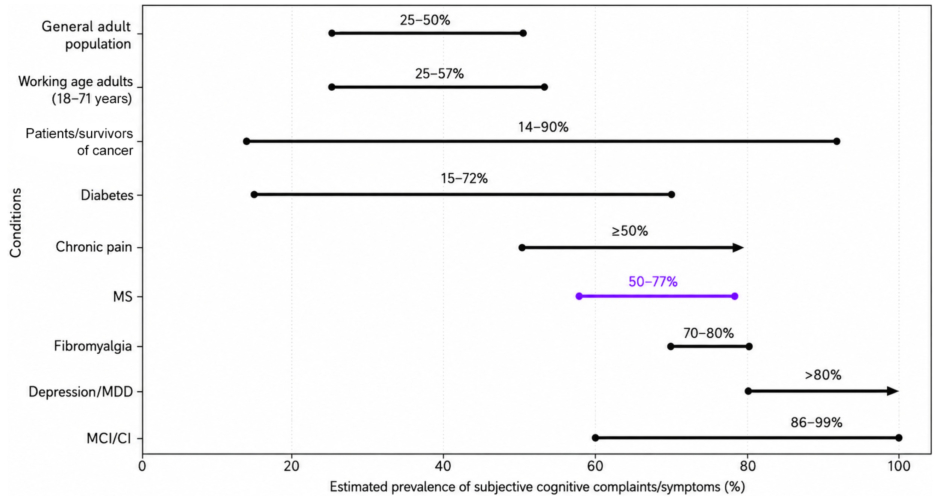
Figure 1: Subjective cognitive complaints across general and clinical populations, including common
MS comorbidities.18-28
Cognitive complaints are a common feature of chronic illness and psychological distress and are not specific to MS or indicative of underlying neurological dysfunction. MS is highlighted in purple for comparison. Estimates are
approximate and derived from multiple sources.
CI: cognitive impairment; MCI: mild cognitive impairment; MDD: major depressive disorder; MS: multiple sclerosis.
These complaints represent one of the primary drivers of cognitive screening in MS, reflecting neurologists’ understandable desire to evaluate and respond to patient concerns. In the context of an MS diagnosis, cognitive symptoms that might otherwise be attributed to stress, fatigue, or other situational factors become reframed as evidence of disease activity or progression. In MS, subjective cognitive complaints demonstrate only weak correspondence with objective neuropsychological performance and reflect affective, fatigue-related, pain-related, and broader psychological distress more strongly than cognitive impairment itself.17,22,30,31
This pattern was recently demonstrated by Van Laethem et al.19 in a cohort of 205 individuals with early MS, finding only a weak association between subjective and objective cognitive performance (ρ=0.21).19 In the final model, subjective cognitive performance was independently and negatively associated with pain (β=–1.52; p<0.001), dizziness (β=–0.97; p=0.01), fatigue (β=–0.27; p=0.001), and depressive symptoms (β=–0.22; p<0.001), with the model explaining 53% of the variance. While objective processing speed was in fact associated with walking impairment and thalamic volume, subjective cognitive performance was not significantly associated with volumetric MRI measures.19 Conversely, individuals with more substantial impairment may underreport difficulties because metacognitive insight itself can decline alongside cognitive dysfunction.32
Collectively, these findings demonstrate a marked discrepancy between subjective cognitive concerns and objectively measured impairment in MS. Cognitive complaints remain clinically meaningful as indicators of symptom burden, distress, and reduced quality of life, but neither subjective complaints nor objective findings independently establish MS as the cause. The central clinical question is not simply determining whether cognitive symptoms are present but understanding what they reflect.
COGNITIVE PERFORMANCE SHOULD NOT BE TREATED AS A DISEASE-ACTIVITY BIOMARKER
Even when objective testing is performed, the interpretation problem remains. Cognitive performance differs fundamentally from most biomarkers and clinical measures used in neurological care. In MS, cognitive dysfunction most commonly involves slowed processing speed and attention inefficiency, rather than the progressive amnestic syndromes characteristic of Alzheimer’s disease and other neurodegenerative disorders. As a result, recall-weighted screening tools such as the Montreal Cognitive Assessment (MoCA) may be poorly aligned with the cognitive phenotype most relevant to MS. Cognitive changes in MS are often diffuse, variable, and only modestly associated with conventional disease markers, including lesion burden and physical disability.33,34 Mechanisms such as network disruption and diaschisis are increasingly recognised as contributors beyond focal lesion location alone.35
Importantly, reduced processing efficiency is often experienced subjectively as memory difficulty, conversational slowing, distractibility, or word-finding problems despite the absence of primary amnestic impairment.36-39 Patients often describe this as “memory loss” even when the underlying difficulty reflects attentional efficiency and processing speed.7,40
Unlike measures such as MRI lesion burden, retinal thinning, or walking speed, cognitive performance is highly sensitive to context and state-dependent influences.33 Attention, processing speed, and memory efficiency reflect a combined influence of neurological, psychological, physiological, and environmental contributors, making attribution to MS disease activity alone inherently uncertain. This challenge is particularly relevant when interpretation relies on brief cognitive screening rather than comprehensive neuropsychological evaluation, which can better accountfor non-neurological factors andperformance variability.
Clinical testing may further amplify these state-dependent influences. Patients may be anxious about imaging results, disability progression, employment, or treatment decisions while anticipating evaluation of their cognitive functioning.41 Processing speed and efficiency measures are inherently state-dependent and fluid, making them particularly sensitive to transient influences. Experimental evidence consistently demonstrates that acute stress degrades attentional control, working memory, and processing speed through prefrontal disruption and autonomic arousal.42,43 These are the same cognitive operations most commonly assessed in MS screening. A low score obtained during a stressful clinic visit may reflect transient state-dependent influences as much as stable neurological dysfunction.
Together, these factors distinguish cognitive performance from conventional biomarkers. Cognitive tests measure behaviour rather than pathology directly. Low performance may indicate cognitive inefficiency, but does not establish its cause, determine its permanence, or necessarily demonstrate disease progression. Recent longitudinal studies from the Swedish Multiple Sclerosis Registry further illustrate these interpretive challenges, demonstrating that changes in cognitive screening performance may be substantially influenced by practice effects and other nonspecific factors.11 As a result, cognitive screening scores should be interpreted as contextual clinical observations rather than objective markers of underlying disease activity.
ATTRIBUTION BIAS AND THE COMPLEXITY OF COGNITIVE SYMPTOMS
The presence of an MS diagnosis creates a powerful attribution bias for both patients and clinicians. Common symptoms such as fatigue, cognitive difficulty, pain, mood changes, and sensory complaints are often interpreted as manifestations of MS disease activity despite numerous alternative medical, psychological, and lifestyle-related explanations.44 These symptoms are common across many medical and psychiatric conditions and are not specific to MS,23-26,45 yet there is a tendency to attribute both cognitive symptoms and low cognitive scores directly to disease pathology when multiple alternative contributors coexist. Difficulties with attention, memory, processing speed, word-finding, and cognitive fatigue occur across numerous medical, psychiatric, developmental, hormonal, and environmental conditions, and are common features of everyday cognition, particularly during periods of stress, sleep disruption, illness, pain, emotional distress, and hormonal transition (Figure 2).
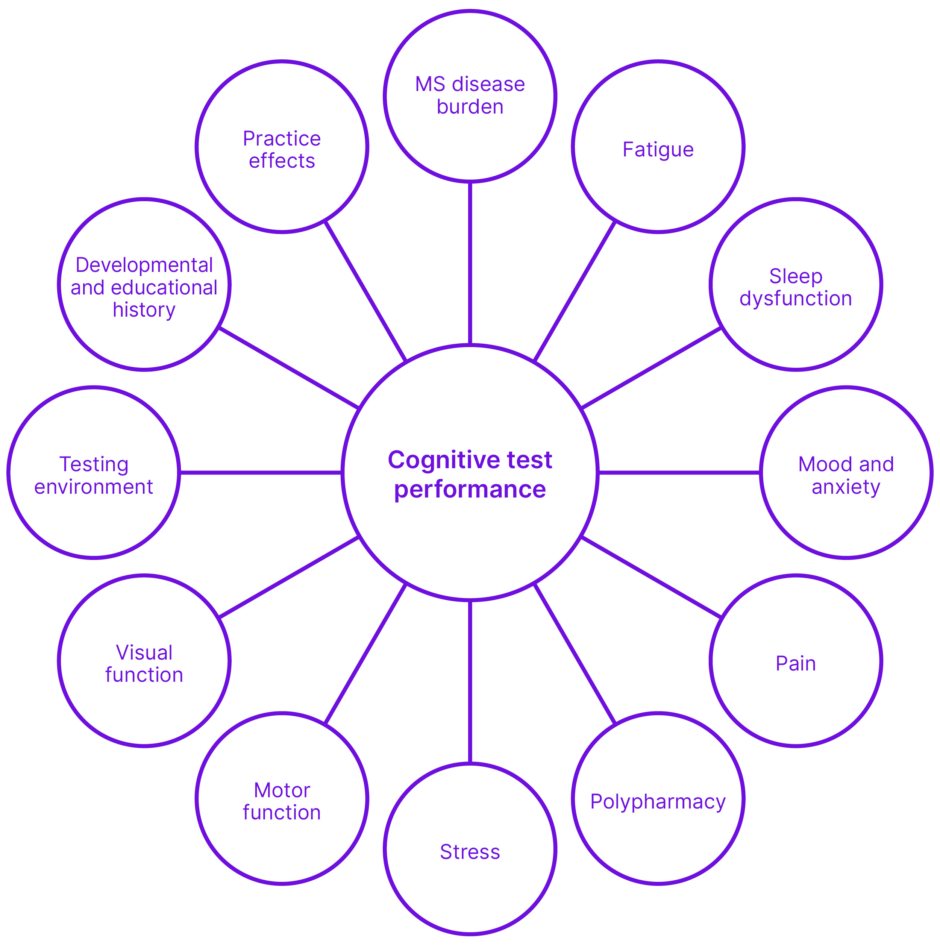
Figure 2: Determinants of cognitive test performance in multiple sclerosis.
Cognitive test performance reflects the combined influence of neurological, psychological, physiological, and
environmental factors. Screening scores should therefore be interpreted within clinical context and not viewed as direct biomarkers of MS disease activity.
MS: multiple sclerosis.
The menopausal transition represents an important contributor to subjective cognitive complaints.46 Most women experiencing subjective complaints during the menopausal transition perform within normal limits on objective cognitive testing, underscoring the dissociation between reported difficulty and measurable dysfunction.20 This is particularly relevant in MS, where women are disproportionately affected, and transitions to secondary progressive disease commonly emerge during midlife, making attribution of cognitive symptoms to MS pathology especially challenging.
Fatigue, sleep disturbance, mood symptoms, pain, and medication burden can each independently reduce processing efficiency.23,45-50 This is particularly relevant in MS, where polypharmacy is common and centrally acting medications used for fatigue, pain, spasticity, mood, and sleep, including gabapentin, baclofen, benzodiazepines, anticholinergic agents, antidepressants, and cannabis, may produce cognitive effects that are difficult to distinguish from MS-related change.50-55
THE SDMT, BRIEF INTERNATIONAL COGNITIVE ASSESSMENT FOR MS, AND WHAT LOW SCORES ACTUALLY MEAN
Cognitive involvement in MS exists along a continuum, and findings classified as ‘cognitive impairment’ in prevalence studies often reflect subtle slowing on screening measures rather than severe cognitive dysfunction, loss of independence, or progressive neurocognitive decline. The SDMT (oral administration) has become the dominant cognitive screening measure in MS because of its brevity, practicality, and sensitivity to neurological dysfunction.56 However, the clinical conclusions drawn from SDMT performance often exceed what the measure itself can determine. Although commonly described as a measure of information processing speed, SDMT performance reflects the combined influence of processing efficiency, visual scanning, motor speed, speech output, and overall neurological functioning.11,57,58 Further, the magnitude of change required to establish reliable decline on the SDMT is often greater than clinicians and patients assume, limiting interpretation of small score fluctuations,59 and it has shown limited sensitivity for tracking progression over time (even in the context of documented disease activity or motor progression).11,58
As an example, the authors recently examined oral SDMT performance in two independent MS cohorts. Cognitive processing speed measures accounted for only 28% of SDMT variance, indicating that nearly three-quarters of SDMT variance reflected influences beyond cognitive processing speed alone.60 Manual dexterity measures (e.g., Nine Hole Peg Test)61 independently predicted oral SDMT performance, and individuals with severe versus moderate motor impairment had more than double the risk of cognitive impairment classification (40% versus 17%) on the SDMT despite equivalent processing speed on other measures.62 These findings indicate that SDMT performance cannot be interpreted as a pure measure of cognitive processing speed, particularly in the presence of motor impairment. Because motor slowing is common in MS and often worsens with disease duration, serial decline on the oral SDMT and other timed, motor-dependent measures may be confounded by motor progression and should not be interpreted as evidence of cognitive deterioration in isolation.
Recent longitudinal registry data illustrate both the potential value and the interpretive difficulty of serial SDMT assessment. Early improvements following initiation of high-efficacy DMTs were substantially attenuated after accounting for repeated testing, indicating a material contribution from practice effects, while durable differences between treatment groupsremained limited. These findings do not negate the potential clinical relevance of cognitive change but demonstrate the need to separate treatment effects from retest effects and other sources of variability.11
The Brief International Cognitive Assessment for Multiple Sclerosis (BICAMS) broadens screening by combining SDMT with measures of verbal and visuospatial learning.63-65 This provides greater cognitive coverage than the SDMT alone, but the memory measures primarily assess learning and encoding efficiency rather than storage and consolidation deficits characteristic of Alzheimer’s disease and related neurodegenerative disorders.66
Performance remains influenced by numerous state-dependent and non-neurological factors (Figure 2).67,68 BICAMS can therefore identify a broader pattern of reduced performance but cannot independently determine whether low scores reflect MS pathology, transient state-dependent influences, or other contributing factors.
THE PSYCHOMETRIC REQUIREMENTS FOR VALID COGNITIVE INTERPRETATION
Interpretation of cognitive screening results requires more than a score. Valid clinical interpretation depends on three psychometric foundations: appropriate normative comparison, consideration of base rates, and reliable methods for determining whether observed change exceeds expected variability.
Normative comparisons must account for age, education, sex, language background, and cultural context. A score appearing impaired relative to a young, highly educated sample may be entirely unremarkable for a 60-year-old individual with 12 years of education whose first language is not English. Yet normative samples for many MS cognitive measures remain incompletely stratified, and few adequately account for bilingualism, cultural differences, or educational systems outside North America and Western Europe.
Base rates are equally important. Low cognitive scores occur commonly in healthy individuals.69-72 For example, among neurologically healthy older adults, 73% obtain at least one borderline score on neuropsychological testing, and approximately 20% obtain two or more scores within formally impaired ranges despite the absence of neurological disease.70,71 Without accounting for these expected low scores, cognitive impairment may be overidentified through normal statistical variation alone. This problem increases with the number of tests administered, the frequency of testing, and the sensitivity of the measures used.
Interpretation of longitudinal change presents an additional challenge. Score differences are not clinically meaningful simply because they occur. Change must exceed thresholds that distinguish true change from measurement variability, and these thresholds vary according to age, baseline performance, retest interval, and psychometric characteristics of the measure itself. Commonly cited SDMT change thresholds59 provide useful reference points but do not substitute for individual-level reliable change methodology, and equivalent standards remain unavailable for many newer cognitive measures.
These considerations fundamentally determine the validity of clinical interpretation. Without appropriate norms, base-rate correction, and reliable change methodology, cognitive screening risks mistaking measurement noise and normal variability for clinically meaningful dysfunction. More frequent testing does not resolve this limitation; to the contrary, it imposes another interpretive challenge by introducing learning effects. In the absence of robust psychometric infrastructure, increasingly sensitive measures and digital monitoring platforms may detect more fluctuation, increasing uncertainty without clarifying disease status. The result is a greater risk of normal variability being misinterpreted as evidence of cognitive decline or disease progression. Common clinical assumptions and the psychometric limitations of cognitive screening are summarised in Supplementary Table 1.
Definitions of cognitive impairment also vary across research and clinical settings. Studies use different cutoffs, commonly ranging from 1.0–1.5 SD below normative means, and differ in the number of low scores required for classification. Hancock and colleagues found that a −1.0 SD threshold classified 17% of healthy participants as impaired on two measures within a domain, compared with 1% using a −1.5 SD threshold.73 Emerging cognitive-phenotyping approaches may improve specificity by replacing binary impaired/intact classifications with domain-based profiles that better reflect the heterogeneity of cognitive involvement in MS.73,74
COGNITIVE IMPAIRMENT PREVALENCE AND DISEASE PROGRESSION: WHAT DO CURRENT DATA ACTUALLY SHOW?
Estimates suggesting that 50–70% of individuals with MS develop cognitive impairment have become deeply embedded in both professional and patient understanding of the disease.7,8 Although derived largely from earlier cohort studies with variable definitions, differing neuropsychological thresholds, and batteries of varying length, these figures shaped decades of clinical communication and reinforced the perception that cognitive decline is an expected feature of MS.6
A major limitation of many early prevalence estimates was the limited consideration of base rates of low scores among neurologically healthy individuals. Definitions of cognitive impairment also varied substantially across studies, with classifications based on different test batteries, thresholds, and the numbers of low scores required for impairment designation.75 Without appropriate correction, individuals obtaining one or more low scores across a battery of tests could be classified as cognitively impaired despite performance patterns that occur commonly in healthy populations. As a result, historical prevalence estimates may reflect a combination of genuine MS-related cognitive dysfunction, base-rate statistical low scores expected in healthy individuals, and the cumulative influence of fatigue, stress, medication burden, and testing conditions. The principal factors contributing to overestimation of cognitive impairment prevalence are summarised in Supplementary Table 2.
More recent work suggests substantially lower prevalence rates. In a meta-analysis of 50 studies, including nearly 6,000 individuals with relapsing-remitting MS (RRMS), Wu et al.75 estimated cognitive impairment prevalence at approximately 32.5% using more stringent neuropsychological criteria. Importantly, the included studies span treatment eras from 1990 through 2023, and therefore largely predated the widespread use of contemporary high-efficacy disease-modifying therapies. As earlier diagnosis and more aggressive treatment strategies become standard, it is plausible that contemporary cognitive risk may be lower still, although this remains to be established in modern treatment-era cohorts.
Cognitive inefficiency identified during testing is not synonymous with severe functional impairment or inevitable decline. Many individuals with mild weaknesses remain employed, independent, and fully engaged in complex daily roles. At the same time, a definable subgroup develops genuine, MS-attributable cognitive impairment with substantial functional consequences and requires careful recognition and support. The distinction is therefore not between impairment and no impairment, but between statistically low performance, clinically meaningful dysfunction, and progressive decline. Communicating historical estimates of 50–70% without these distinctions may lead patients to overestimate their individual risk and interpret ordinary cognitive lapses as evidence of deterioration.
COGNITIVE CHANGE IN PROGRESSIVE MS: VARIABILITY, TRAJECTORY, AND THE LIMITS OF SCREENING AS A DISEASE MARKER
Patients with progressive MS often fear a steady, irreversible trajectory of cognitive decline, with concerns about cognition intertwined with fears of dementia, dependency, and loss of identity. Yet longitudinal evidence suggests that cognitive change in progressive MS is considerably more variable and nonlinear than either patients or clinicians commonly assume.
Risk factors for cognitive inefficiency in MS increase with age, disease duration, structural disease burden, and progressive disease subtype.9 Some studies have reported cognitive impairment rates approaching 80% in secondary progressive MS,76 but these estimates inherit many of the same definitional, psychometric, and base-rate limitations discussed above. Reported rates vary substantially according to the measures used, thresholds selected, patient characteristics, and duration of follow-up.
When cognitive change does occur, slowed processing speed and verbal learning are among the most affected domains. However, interpretation remains challenging. Reduced performance on timed cognitive measures may reflect changes in cognition, motor speed, visual efficiency, fatigue, medication effects,67 or combinations of these factors. The SDMT and similar processing speed measures cannot reliably distinguish among these mechanisms. Consequently, motor progression may produce apparent worsening on the oral SDMT and other timed, motor-dependent measures without equivalent deterioration in underlying cognitive processing.
Longitudinal staging frameworks illustrate these limitations. Wójcik et al.77 categorised more than 1,000 individuals with MS, including 900 with relapsing-remitting MS and 173 with secondary progressive MS, into stages of cognitive dysfunction using an event-based model based on patterns of performance across the SDMT, memory, attention, and executive function measures.77 Importantly, the proposed stages do not represent fixed or irreversible states. The authors noted that 7.3% of participants reverted to an earlier stage during follow-up, highlighting the potential influence of recovery, variability, and practice effects on longitudinal classification.77 Longitudinal data similarly challenge assumptions of inevitable decline. In a 36-month prospective study of patients with RRMS, 20 of 33 individuals classified as cognitively impaired at baseline showed improvement or impairment in fewer cognitive domains at follow-up.78 Over an 11-year follow-up of 148 patients with RRMS, 51.4% remained cognitively stable.79 Such findings challenge assumptions of inevitable or linear decline and highlight the substantial variability that characterises cognitive trajectories in MS. For patients, being told they have entered ‘Stage 1 cognitive dysfunction’ is unlikely to be interpreted as a psychometric classification; it is more likely experienced as evidence of cognitive decline.
Current screening measures provide limited support for inferring disease progression at the individual level when used alone. Treatment escalation should therefore not rest on brief screening scores in isolation, but on evidence that observed change exceeds expected variability, is clinically meaningful, and is consistent with the broader neurological picture.
CLINICAL IMPLICATIONS AND RECOMMENDATIONS
When patients present with cognitive concerns, the initial response should include systematic review of potentially modifiable contributors, including sleep dysfunction, fatigue, mood, pain, stress, medication burden, substance use, and hormonal transition, alongside neurological assessment.17 Subjective complaints remain clinically meaningful regardless of their relationship to objective cognitive performance, serving as important indicators of symptom burden, distress, and reduced quality of life.
Routine cognitive screening has an important role when interpreted cautiously and within the appropriate clinical context. However, screening scores should not be viewed as biomarkers of disease activity, used in isolation to infer disease progression, or assumed to represent irreversible neurological decline.
Cognitive dysfunction can substantially affect employment, academic performance, medication management, driving, financial decision-making, and overall independence, regardless of its underlying cause. Screening is most valuable when findings lead to effective and accessible next steps. Low scores may appropriately prompt comprehensive neuropsychological evaluation when there are functional concerns at work, school, or home, although access is often constrained by cost, availability, and wait times. Neuropsychological evaluation does not directly alter the underlying cognitive trajectory, but can clarify cognitive strengths and weaknesses, support differential diagnosis, guide accommodations and compensatory strategies, and inform rehabilitation or disability decisions.80
Some of the most actionable approaches are not specific to MS. Reviewing medication burden and cannabis use, treating mood disorders, optimising sleep, addressing fatigue, promoting physical activity, and managing cardiovascular and metabolic risk may yield meaningful cognitive and functional benefit. Identifying cognitive inefficiency without addressing these modifiable contributors risks increasing concern while diverting attention from interventions most likely to improve cognitive health and daily functioning.81-84
A patient-centred framework recognises that cognitive performance reflects the interaction of neurological disease burden with numerous nonspecific, fluctuating, and potentially modifiable influences. Cognitive symptoms deserve careful evaluation, but patients also deserve accurate information about what cognitive screening can and cannot determine. Communication should acknowledge uncertainty, avoid overinterpretation of isolated findings, and preserve agency rather than reinforce expectations of inevitable decline. The goal of cognitive assessment should not be surveillance for its own sake, but improving function, quality of life, and clinical decision-making in ways that meaningfully benefit patients (Table 1).
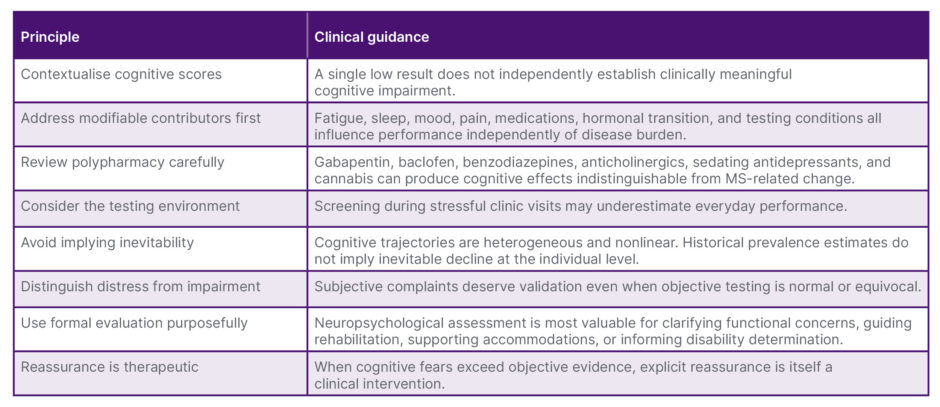
Table 1: Practical principles for cognitive screening and communication in MS.
MS: multiple sclerosis.
CONCLUSION
Awareness of cognitive dysfunction in MS has improved clinical care and validated an important dimension of the disease experience. A genuine MS-attributable cognitive phenotype exists, and some individuals experience clinically meaningful cognitive decline that affects employment, independence, and quality of life. Cognitive screening can help identify patients who warrant further evaluation.
The next step is more precise interpretation. Subjective complaints, low scores, and longitudinal changes must be evaluated using appropriate norms, base rates, reliable-change methods, functional context, and consideration of potentially modifiable contributors. Brief screening measures should inform, rather than independently determine, conclusions about disease activity, progression, or treatment escalation.
As MS care advances, cognitive assessment should become more purposeful, contextualised, and actionable. The central question is not only whether performance has changed, but whether the change is reliable, what it reflects, and how the information can improve the patient’s function and quality of life. Cognitive screening does not merely detect illness experience; how its findings are interpreted and communicated may also shape it.