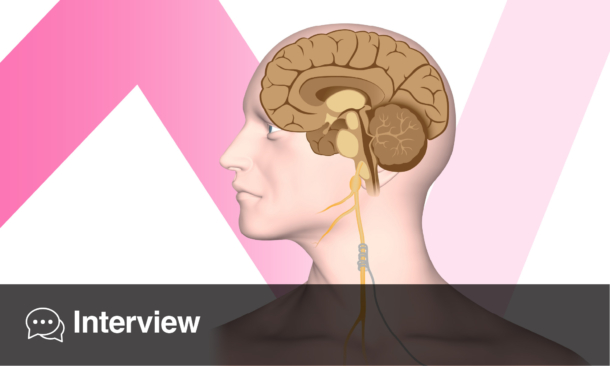
DEEP brain stimulation may improve quality of life in treatment-refractory OCD, but social and independence challenges often persist after surgery.
New mixed-methods research suggests deep brain stimulation for OCD can improve quality of life beyond symptom scores alone, with patients reporting gains in mood, daily function, household activity, hobbies, and overall life satisfaction. However, qualitative interviews also showed that recovery after surgery may remain complicated, particularly in social relationships, independent living, and adjustment to a life less dominated by obsessive-compulsive symptoms.
The study included 10 patients who had undergone deep brain stimulation surgery and continued to receive programming for treatment-refractory obsessive-compulsive disorder (OCD). Quantitative pre- and post-surgery assessments using the Quality of Life Enjoyment and Satisfaction Questionnaire Short Form and Yale-Brown Obsessive Compulsive Scale were analyzed for eight participants, while qualitative narratives from all 10 participants were coded for themes.
Quality of Life Gains Track With Symptom Reduction
Most patients showed improved quality of life and reduced OCD severity after deep brain stimulation for OCD. Across the cohort, improvement in quality of life was significantly associated with lower OCD severity, with a negative association between Y-BOCS severity and quality of life. At final follow-up, overall improvement in quality of life was 43.48±39.85% from baseline.
Still, the relationship between symptom reduction and quality of life varied between patients. In six of eight participants, improved quality of life scores correlated with reduced Y-BOCS scores, although this reached significance in only two participants. This variability suggests that symptom improvement does not fully capture the lived experience of recovery.
Social Recovery Remains a Care Gap
Before deep brain stimulation, nine of 10 participants reported OCD-related impairment in at least one quality-of-life domain. After surgery, eight of 10 described life as improved, and eight reported reduced frequency and intensity of compulsions. Nine reported immediate mood improvement, either on the day of first programming or within the first several weeks, while eight noted OCD symptom improvement within 3–6 months.
However, many patients continued to report difficulty with social skills, limited support, and transition to independent living. The findings suggest that deep brain stimulation for OCD should not be viewed as a stand-alone intervention. Continued exposure and response prevention therapy, medication management, occupational therapy, social skills training, group therapy, and peer support may help translate symptom relief into broader functional recovery.
The authors concluded that quantitative measures alone may underestimate quality-of-life gains after deep brain stimulation, particularly when patients develop new goals and expectations after treatment. More individualized post-surgical care could help address persistent challenges in relationships, executive functioning, employment, and independent living.
Reference
Hemendinger E et al. Beyond the Numbers: Quantitative and qualitative analysis of quality of life after deep brain stimulation for OCD. PLoS One. 2026;21(5):e0350293.
Featured Image: Yistocking on Adobe Stock.
- Author: