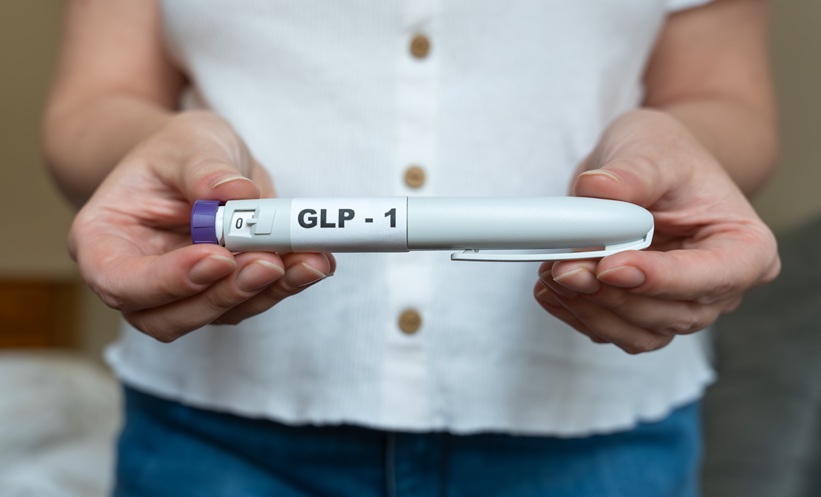
THE ALZHEIMER’S Association announced at AAIC 2026 the launch of PROTECT-Cog, a new global trial testing whether combining lifestyle interventions with a GLP-1 or similar drug can further reduce cognitive decline risk in older adults, building on findings from the US POINTER study.
GLP-1 Drugs Show Promise Against Cognitive Decline
Modifiable lifestyle factors, including physical activity, nutrition, cardiovascular health, sleep and social engagement, are known to play a critical role in brain health and dementia risk. The US POINTER study showed that a structured, multidomain lifestyle programme produced significantly greater cognitive benefits than a self-guided approach, equivalent to roughly one to two years of cognitive advantage, alongside benefits for frailty, sleep apnoea and blood pressure. Alongside this lifestyle evidence, a growing body of research has linked GLP-1 receptor agonists to a reduced risk of cognitive decline, prompting interest in combining both approaches.
Testing Combined Lifestyle and Drug-Based Prevention
The PROTECT-Cog Study will enrol older adults at increased risk of cognitive decline and compare two lifestyle intervention approaches: a structured programme with intensive coaching, and a structured-lite programme with the same core content but fewer touchpoints. The trial will also test adding a drug that supports healthier metabolism and immune function, such as a GLP-1 agonist, to identify which combination most effectively delays mild cognitive impairment. Participants will be followed for three years, with cognitive and health evaluations conducted every six months.
Real-World Data Link GLP-1 Drugs to Lower Dementia Risk
Large real-world healthcare datasets suggest that GLP-1 receptor agonists may reduce dementia risk, with the strongest protective effect seen in people with obesity or a high body-mass index. Mechanistic studies point to possible roles for GLP-1 agonists in reducing brain inflammation and supporting metabolic and vascular health, though the Alzheimer’s Association noted that the timing and appropriate use of these therapies for prevention remains poorly understood, which the new trial is designed to address.
A New Phase in Dementia Prevention Research
Researchers said the PROTECT-Cog Study represents the next step in dementia prevention science, aiming to clarify whether combining lifestyle and drug-based approaches can more effectively delay cognitive decline than either strategy alone, with results expected as participants complete three years of follow-up.
Reference
AAIC. Alzheimer’s Association Launches “PROTECT-Cog” Study to Test U.S. POINTER Lifestyle and GLP-1 or Similar Drug to Cut Risk of Cognitive Decline. Available at: https://aaic.alz.org/releases-2026/new-study-protect-cog-glp-1-dementia.asp. Last accessed: 17 July 2026.
Featured image: Kateryna on Adobe Stock
- Author: