BACKGROUND AND AIMS
This work addresses an important evidence gap in the use of immune checkpoint inhibitors among patients with pre-existing hepatitis C virus (HCV) infection.1-3 Patients with chronic viral hepatitis have historically been underrepresented or excluded from pivotal immunotherapy trials, leaving clinicians with limited data to guide treatment decisions in this population.4,5 The central concern is that immune checkpoint blockade may precipitate hepatic inflammation, viral hepatitis flare, immune-mediated hepatitis, or hepatic decompensation in patients with underlying liver disease.6
METHODS
Using the TriNetX™ (TriNetX, LLC, Cambridge, Massachusetts, USA) Research Network from 2014–2024, this retrospective real-world analysis compared adults with solid tumors receiving immune checkpoint inhibitors with and without pre-existing hepatitis C. HCV exposure was defined by detectable HCV RNA and/or an ICD-10 diagnosis of chronic hepatitis C within 1 year before immunotherapy initiation. The study used 1:1 propensity score matching across demographics, comorbidities, cancer type, metastatic sites, and baseline liver tests, resulting in well-balanced matched cohorts of 1,137 patients per group.
RESULTS
The primary findings suggest that immune checkpoint inhibitors can be used in patients with HCV, but with increased attention to hepatic monitoring. In the primary matched cohort, patients with HCV had a numerically higher rate of alanine aminotransferase elevation ≥150 U/L compared with non-HCV patients, although this did not reach statistical significance (7.0% versus 5.2%; relative risk [RR]: 1.36; 95% CI: 0.98–1.88; p=0.066). Bilirubin elevation ≥3 mg/dL and diagnosis-coded hepatotoxicity were similar between groups (bilirubin ≥3 mg/dL: 5.0% versus 5.0%; RR: 1.00; 95% CI: 0.70–1.43; p=1.000; diagnosis-coded hepatotoxicity: 1.8% versus 1.8%; RR: 1.05; 95% CI: 0.57–1.93; p=0.875). However, severe hepatotoxicity was significantly higher in the HCV cohort (4.7% versus 2.5%; RR: 1.89; 95% CI: 1.21–2.97; p=0.005). Importantly, there was no statistically significant decrement in overall survival among patients with HCV, with median survival numerically favoring the HCV group in the primary analysis (median verall survival: 613 versus 522 days; 5-year survival probability: 30.70% versus 26.39%; HR: 0.90; 95% CI: 0.806–1.004; p=0.0595).
The RNA-confirmed sensitivity analysis strengthens the signal for transaminitis. When HCV was restricted to patients with laboratory-confirmed viremia, alanine aminotransferase elevation was significantly higher in the HCV group (10.4% versus 4.6%; p=0.006), while bilirubin outcomes and overall survival remained not significantly different (mean bilirubin 0.833 versus 0.654 mg/dL; p=0.064; 5-year survival 26.8% versus 31.8%; HR: 1.04: 95% CI: 0.84–1.28; p=0.749; Table 1). This suggests that active or confirmed HCV infection may increase susceptibility to hepatocellular injury after immune checkpoint inhibitor exposure, without clearly translating into excess biliary toxicity or inferior survival.
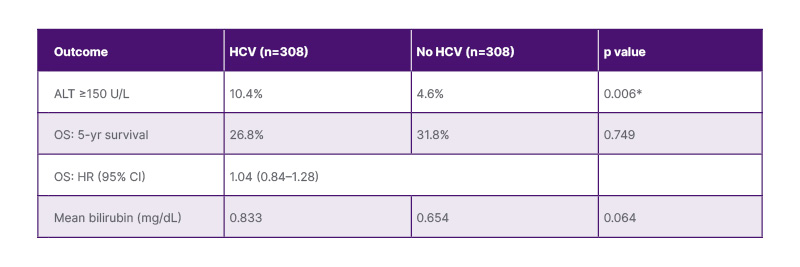
Table 1: RNA-only sensitivity analysis (n=308 per group).
*p value <0.05 indicating statistical significance.
ALT: alanine aminotransferase; HCV: hepatitis C virus; HR: hazard ratio; OS: overall survival; yr: year.
CONCLUSION
Overall, these findings support the cautious use of immune checkpoint inhibitors in solid tumor patients with hepatitis C. HCV infection alone should not be considered an absolute contraindication to immunotherapy. The clinical implication is practical: obtain baseline liver tests, clarify HCV activity when possible, coordinate antiviral evaluation when appropriate, and monitor closely for early transaminitis during treatment.