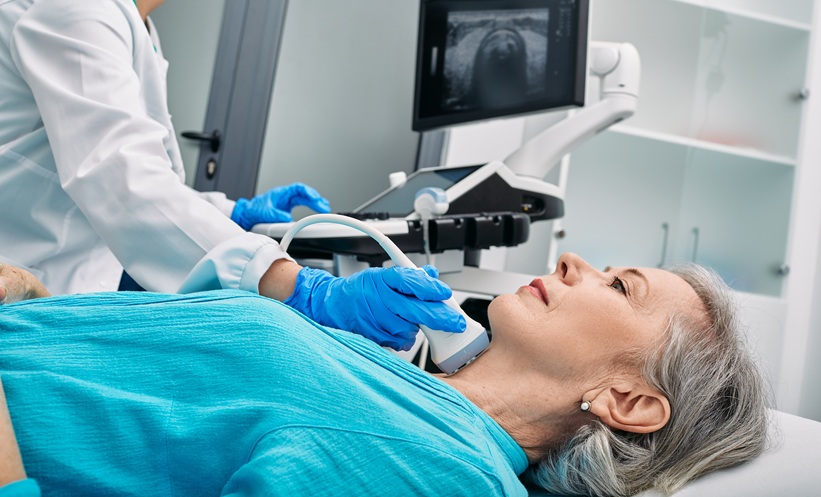
Researchers reviewed medical records from four tertiary hospitals in China, including patients who underwent ultrasound-guided percutaneous catheter drainage (US-PCD) as their initial invasive treatment.
Before treatment, all patients were haemodynamically stable and had a stable airway. Contrast-enhanced computed tomography (CT) or magnetic resonance imaging (MRI) was used to assess the abscess and confirm that there was no extensive mediastinal involvement beyond the anterosuperior compartment.
The primary outcome was drainage success, defined by complete or near-complete abscess resolution, avoidance of open surgical drainage, no recurrence at the treated site for at least one month, and no death attributable to the infection.
Most Patients Achieve Successful Drainage
Drainage was successful in 84.5% of patients. The remaining patients experienced treatment failure, including three deaths. No major procedure-related complications were reported, although 8% of patients experienced minor complications involving localised pain after puncture and catheter insertion.
Researchers assessed several potential predictors of treatment failure. Multiple abscess septations and admission leukocyte counts were associated with failure in univariable analyses, but neither remained significant in the multivariable analysis.
The presence of serious associated events was the only independent predictor of failure. These events included descending mediastinitis, sepsis, airway compromise, and vascular thrombosis. Patients with these complications had higher odds of drainage failure.
Hospital stays also differed according to treatment outcome. Patients whose drainage was successful had a median hospital stay of 13 days, compared with 26 days among those whose treatment failed.
Surgery Recommended for Higher-Risk Patients
Researchers concluded that US-PCD could be an effective, minimally invasive first-line treatment for selected patients with deep neck space abscesses. They emphasised that open surgical drainage should be prioritised when serious associated events are present to support rapid infection control.
However, the retrospective design may have introduced recording bias, and differences between hospitals in antibiotic protocols and intervention timing may have influenced the findings. The imaging assessment also focused on basic CT and MRI characteristics rather than more detailed features of abscess morphology.
Researchers called for well-designed prospective clinical trials with predefined assessment criteria and time points to further validate the effectiveness of US-PCD.
Reference
Li X et al. Ultrasound-guided percutaneous catheter drainage of deep neck space abscesses: outcomes and predictors of treatment failure. Eur Radiol.2026. DOI; 10.1007/s00330-026-12981-y.