A MAJOR genomic study has uncovered dozens of new genetic signals linked to endometriosis, offering fresh insight into the biological mechanisms driving this chronic and often debilitating condition.
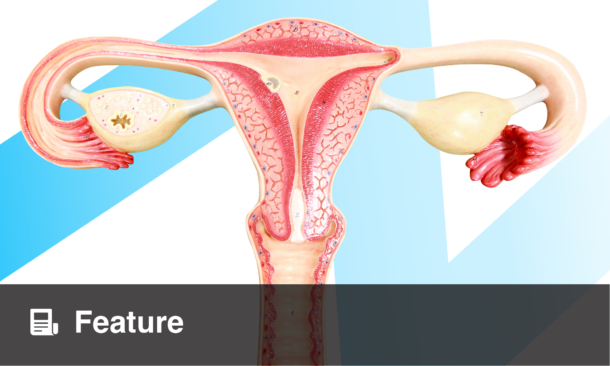
Endometriosis, a systemic disease affecting around 10% of females worldwide, occurs when tissue similar to the lining of the uterus grows outside it, causing pain, inflammation, and fertility issues.
Despite its prevalence, its underlying causes have remained poorly understood, limiting progress in diagnosis and treatment.
Endometriosis Genetics Study Expands Global Understanding
In one of the largest investigations to date, researchers analysed genetic data from approximately 1.4 million females, including over 105,000 with endometriosis.
The study identified 80 genomic regions associated with disease risk, including 37 previously unreported loci, significantly advancing knowledge of endometriosis genetics.
Notably, five of these regions were also linked to adenomyosis, a related condition where endometrial-like tissue grows within the uterine wall.
Multi-Omics Reveal Biological Pathways
Beyond identifying genetic variants, the researchers integrated transcriptomic, epigenetic, and proteomic data to better understand how these variants influence disease development.
This multi-omics approach linked endometriosis genetics to key biological processes, including cell differentiation, immune response, hormonal regulation, tissue remodelling, and inflammation.
These findings support long-standing hypotheses that endometriosis is not solely a localised gynaecological condition but a complex, systemic disorder involving immune and hormonal dysregulation.
Links to Pain and Comorbid Symptoms
The study also found that genetic risk for endometriosis interacted with a range of clinical symptoms, including abdominal pain, anxiety, migraine, and nausea.
This reinforces the multifaceted nature of the disease and may help explain why patients often experience a broad spectrum of symptoms beyond pelvic pain.
Such insights could improve patient stratification in the future, enabling more personalised approaches to management based on genetic risk profiles.
Drug Repurposing Offers Future Potential
Importantly, the analysis identified potential therapeutic targets through drug-repurposing approaches.
Some of the implicated pathways overlap with those targeted by existing treatments for breast cancer, contraception, and preterm birth prevention, raising the possibility of accelerating new treatment strategies for endometriosis.
While the scale of the study strengthens its findings, further research is needed to translate these genetic discoveries into clinical applications.
Overall, this landmark study represents a significant step forward in understanding endometriosis genetics, offering new avenues for diagnosis, risk prediction, and treatment development.
Reference
Koller D et al. Multi-ancestry genome-wide association and integrated multi-omics analyses of endometriosis and its clinical manifestations. Nat Genet. 2026;DOI:10.1038/s41588-026-02582-2.
Featured image: Vizdelux on Adobe Stock
- Author: