ANTI-NXP2 myositis was associated with a previously unreported case of bladder carcinoma, reinforcing the importance of comprehensive malignancy screening in adults with inflammatory myopathy and anti-NXP2 antibodies.
Anti-nuclear matrix protein 2 (anti-NXP2) antibodies are increasingly recognised as markers of idiopathic inflammatory myopathies and have been linked to an increased risk of cancer associated myositis. Although several malignancies have previously been reported in patients with anti-NXP2 myositis, the full spectrum of associated cancers remains incompletely understood. A new case based review has now identified what the authors believe to be the first published case of anti-NXP2-positive inflammatory myopathy occurring alongside bladder carcinoma.
Neurological Presentation Prompted Malignancy Investigation
The report described a 56 year old man who presented with severe proximal muscle weakness, early dysphagia, and subcutaneous oedema. Clinical evaluation confirmed inflammatory myopathy, while myositis specific antibody testing demonstrated anti-NXP2 positivity.
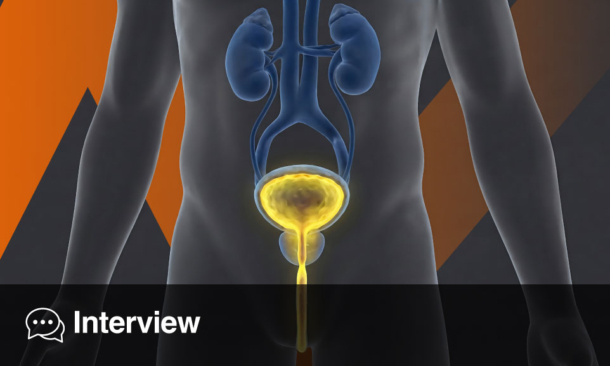
Recognising the established relationship between anti-NXP2 antibodies and malignancy, clinicians performed a comprehensive cancer evaluation, which identified urothelial carcinoma of the bladder. The patient subsequently received immunomodulatory therapy alongside transurethral resection of the bladder tumour.
For neurologists, the case highlights the importance of recognising inflammatory myopathy as a potential paraneoplastic presentation, particularly when patients develop rapidly progressive muscle weakness or bulbar symptoms without an obvious alternative explanation.
Review Reinforced Need for Guideline Directed Cancer Screening
To place the case into context, the investigators performed a structured literature review across multiple databases, identifying 41 relevant studies comprising 20 observational cohorts or case series and 21 individual case reports. In total, the review included 411 patients with anti-NXP2-positive inflammatory myopathy.
Among these patients, malignancy was reported in 63 cases. The most frequently identified cancers included prostate, lung, renal, thyroid, haematological, gynaecological, and hepatocellular malignancies. However, the authors found no previously published reports describing bladder carcinoma in association with anti-NXP2 myositis.
The findings expand the recognised spectrum of malignancies associated with anti-NXP2 antibodies while emphasising the continued importance of guideline directed malignancy screening in adults with inflammatory myopathy. Although a single case cannot establish causality, the report underscores the need for clinicians to maintain a broad diagnostic approach when evaluating patients with anti-NXP2 myositis, particularly as early identification of an underlying malignancy may influence both neurological management and overall patient outcomes.
Reference
Gupta N et al. Bladder carcinoma associated with anti-NXP2-positive inflammatory myopathy: a case-based review. Rheumatol Int. 2026;46(8):207.
Featured Image: utah51 on Adobe Stock