Key Summary:
- Early severe juvenile acne treatment may prevent scarring and psychological harm.
- Oral isotretinoin remains the gold standard for severe or resistant disease.
- Antibiotic duration should be limited and combined with benzoyl peroxide.
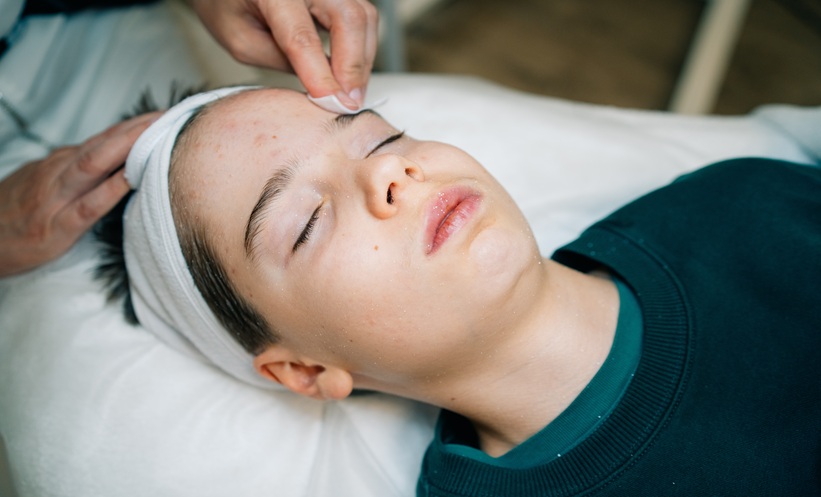
EARLY systemic treatment of severe juvenile acne may prevent permanent scarring and reduce long-term psychosocial burden.
Severe juvenile acne should be recognized as a chronic inflammatory disorder rather than dismissed as a normal feature of adolescence, according to a narrative review of current pharmacotherapeutic strategies. The findings emphasize timely assessment, individualized systemic treatment, and careful consideration of physical and psychological disease burden.
The review examined evidence published from database inception through March 2026, focusing particularly on systemic therapies for severe juvenile acne. Acne development involves several interacting mechanisms, including increased sebum production, follicular hyperkeratinization, Cutibacterium acnes, microbial imbalance, immune and inflammatory activation, and hormonal influences.
For clinicians, treatment decisions should account for disease severity, scarring potential, truncal involvement, previous treatment response, and psychosocial burden. Delayed or inadequate treatment may allow permanent scarring to develop and contribute to substantial emotional consequences during adolescence.
Timely specialist assessment is therefore important for adolescents with nodulocystic disease, progressive scarring, extensive truncal acne, or inadequate responses to established therapies.
Oral isotretinoin remains the gold standard for severe nodulocystic, scarring, or treatment resistant juvenile acne. The review suggests that clinicians should avoid unnecessary treatment delays when adolescents meet the licensed criteria for isotretinoin therapy.
Treatment must remain consistent with applicable prescribing information, regulatory requirements, and risk minimization measures. However, appropriate safeguards should not prevent eligible patients from receiving effective systemic treatment before irreversible consequences develop.
Systemic antibiotics, particularly tetracyclines, also remain important for moderate to severe inflammatory acne. Their use should be limited in duration and incorporated into a broader antimicrobial stewardship strategy.
Benzoyl peroxide based combinations are central to reducing Cutibacterium acnes resistance and avoiding prolonged systemic antibiotic exposure. Treatment plans should combine appropriate agents rather than relying on extended antibiotic monotherapy.
Hormonal treatments, including combined oral contraceptives and spironolactone, may provide valuable antibiotic sparing options for selected adolescent female patients. Their suitability should be determined individually according to clinical presentation and patient characteristics.
Future severe juvenile acne treatment is expected to become increasingly personalized, microbiome conscious, and targeted toward inflammatory pathways. The clinical goal should extend beyond lesion clearance to include prevention of scarring, recurrence, and lasting psychosocial burden.
Reference
Palagiano C et al. Pharmacotherapeutic strategies for the treatment of severe juvenile acne. Expert Opin Pharmacother. 2026;10.1080/14656566.2026.2715706.
Featured Image: Cavan on Adobe Stock.
Each article is made available under the terms of the Creative Commons Attribution-Non Commercial 4.0 License.