Abstract
Hidradenitis suppurativa (HS) is a chronic inflammatory skin disorder with significant global burden and heterogeneous prevalence across populations. Disparities in HS are frequently attributed to racial and ethnic differences; however, both are social constructs that lack biological significance and therefore cannot account for these variations. While HS research has traditionally focused on the genetics and inflammatory pathways (i.e., intrinsic factors) that contribute to disease pathogenesis, emerging evidence has demonstrated that extrinsic factors like social determinants of health (SDoH) and structural determinants of health (StDoH) strongly influence disease onset, severity, and outcomes across populations. This review synthesises evidence on the influence of SDoH and StDoH on HS incidence, severity, and health disparities. Specifically, it emphasises the impact that SDoH have in shaping HS risk. Furthermore, it explores the overarching StDoH that create and maintain health inequities and examines the intricate relationship between these extrinsic factors and ancestry-linked biological differences. Understanding HS burden requires integrating both intrinsic susceptibility and extrinsic exposures. Future research must expand beyond traditional biomedical frameworks to account for social and structural context in clinical studies. This holistic approach will strengthen our understanding of HS and advance systemic interventions to reduce health inequities and improve patient outcomes.
Key Points
1. Hidradenitis suppurativa (HS) disparities across populations are commonly attributed to racial and ethnic differences; however, both are social constructs without biological significance. Observed differences in HS prevalence and severity may instead reflect unequal exposure to social and structural factors.2. HS pathogenesis and disparities are best understood through the interaction of intrinsic susceptibility and extrinsic exposures. Genetic ancestry may contribute to biological variation in disease, while social and structural determinants shape exposures, healthcare access, and disease outcomes. Examining HS disparities through both factors provides a more complete framework for understanding differences in disease burden across populations.
3. Racial and ethnic minorities remain severely underrepresented in HS genetic research. More diverse study cohorts are needed to identify potential ancestry-specific risk alleles and further explain how genetic susceptibility interacts with social and structural factors to influence HS disparities.
INTRODUCTION
Hidradenitis suppurativa (HS) is a chronic inflammatory skin disease driven by follicular occlusion resulting in recurrent, painful nodules, most commonly localised in the axillary, inguinal, gluteal, and perianal regions.1-3 Global HS prevalence is estimated at 1.5–2.5%, with methodological differences across studies accounting for some of this variation. However, disease burden is not distributed equivalently. Disparities in HS are commonly classified and analysed by race. For example, prevalence among African-American patients is more than threefold higher than prevalence observed among White patients.4 It is often assumed that inherent biological or genetic differences must account for these observed disparities. This view, however, is not well supported by current evidence. Both anthropological and genetic research support the concept of race as a fluid, social construct with no biological significance.5 Reported disparities in HS prevalence more likely reflect the cumulative effects of social and structural inequities brought about by the concept of race. Thus, framing disparities as racial, rather than as the product of upstream structural and social factors, diverts attention from the factors that contribute to disease risk.
This review aims to examine racial and ethnic disparities in HS through this lens. It begins by defining race, ethnicity, and skin of colour (SOC), then considers how these constructs are shaped by social determinants of health (SDoH) and structural determinants of health (StDoH), discusses recent pathophysiologic findings in HS, and finally outlines potential strategies to address these disparities going forward. As the authors reside and conduct research in the USA, this review primarily draws on USA data, racial and ethnic classifications, and health policy. However, the social and structural forces discussed extend to HS disparities worldwide.
DEFINING RACE, ETHNICITY, AND SOC
Race and ethnicity are frequently used interchangeably in clinical research, despite representing distinct categories. Historically, race was understood as a biological concept, with early 20th-century literature using eugenics as a framework to distinguish certain racial groups as biologically superior or inferior.6 This ideology has since been abandoned by the scientific community. Race is now widely recognised as a social construct, and while it can reflect some degree of geographic ancestry and physical similarity, it has no intrinsic biological significance, as it varies considerably across social contexts.7,8 Additionally, large-scale genomic analyses have shown that humans are nearly genetically identical, sharing about 99.9% of DNA, with greater genetic diversity existing within racial groups than between them.9,10 The U.S. Census Bureau currently classifies race into five categories: American Indian or Alaska Native, Asian, Black or African American, Native Hawaiian or Other Pacific Islander, and White.11 Ethnicity, in contrast, is a term used to group individuals according to shared historical, national, tribal, religious, linguistic, or cultural backgrounds. Like race, ethnicity is a social construct, and individuals within the same ethnic group may have varying genetic ancestries, though they tend to speak a common language and maintain shared customs.12 Ethnicity, as defined by the U.S. Census Bureau, is split into Hispanic or Latino and Not Hispanic or Latino.13
SOC is another term frequently used in HS dermatological research. Most simply, SOC is defined by the amount of melanin pigment in an individual’s skin, a result of natural selection in response to environmental levels of UV radiation.14 However, pigmentation varies dramatically within and across racial and ethnic groups, and individuals with relatively little pigmentation may still identify as having SOC, whereas others with more heavily pigmented skin may not.15 SOC is also commonly classified using the Fitzpatrick skin phototype scale, though its reliance on subjective visual assessment makes it an unreliable measure.16,17
Within HS research, racial and ethnic categories such as African American, Black, or Hispanic are frequently used to describe disparities in disease prevalence and severity. Specific studies report that HS is more severe in patients of colour, or that being African American is itself a risk factor for the disease.18,19 Reporting these categories as the cause of disease risk is an unintentional endorsement of race science and perpetuates the practice of misattributing the social and structural causes of disease as biological.5,20 It is critical for biomedical research to move away from using race as a biological category and instead recognise it as a proxy for the social and structural conditions that drive disease outcomes.
SDoH, StDoH, AND HS DISPARITIES
The disparities in HS observed across racial groups are better understood through the unequal distribution of social and structural factors than by biological differences alone. The SDoH are the external, non-medical factors that impact an individual’s health outcomes. SDoH consists of five categories: neighbourhood and built environment, healthcare access and quality, economic stability, education access and quality, and social and community context.21 These SDoH are shaped by the StDoH, which are defined as the broader economic, social, and political forces that determine how resources and opportunities are distributed across a population.22 Together, these frameworks offer a lens for understanding disparities in HS incidence.
Neighbourhood and built environment are among the most significant SDoH domains shaping HS disparities. African-American patients are significantly more likely to live in high-poverty neighbourhoods than the general population, and these neighbourhoods are associated with higher rates of smoking and obesity, both established risk factors for HS.23-25 Recent evidence quantified this relationship directly. A cross-sectional analysis of over 65,000 patients found that lower neighbourhood socioeconomic status (SES) was associated with new HS diagnosis across all SES quintiles, with patients in the lowest SES quintile having more than three times the odds of a new HS diagnosis compared with those in the highest SES quintile. Notably, this association persisted even after adjusting for race, ethnicity, age, and sex, suggesting that neighbourhood-level exposures, rather than race alone, may be contributing to HS risk.26 The relationship between neighbourhood disadvantage and HS has extended beyond prevalence to severity, with recent evidence showing that patients living in lower SES neighbourhoods had higher odds of presenting with Hurley Stage 2/3 disease at the time of diagnosis.27,28 These findings provide a structural basis for observed racial disparities in HS severity, as differences in disease stage may reflect the disproportionate exposure of African-American patients to the neighbourhood-level risk factors described above, rather than any inherent biological difference between racial groups.
Diet quality is an additional pathway through which neighbourhood disadvantage may contribute to HS risk. Low-SES neighbourhoods are statistically more likely to be food deserts, limiting access to affordable, nutritious food and contributing to obesity risk.29 Specifically, a cross-sectional analysis of over 57,000 adults found that food insecurity was significantly more common among patients with HS compared to those without.30 This limited access to nutritious food is clinically relevant, as patients with HS report flares after eating meals high in sweets, fats, and refined carbohydrates.31 Diets high in processed foods and low in fibre have also been associated with gut microbiome dysbiosis, which may promote immune dysregulation and HS progression.32 Altogether, these dietary patterns, shaped largely by structural constraints on food access, activate pro-inflammatory cytokine pathways and further add to the inflammatory burden in patients with HS.33
These neighbourhood-level disadvantages intersect directly with healthcare access and quality. Dermatologists are unevenly distributed geographically, and patients in low-SES neighbourhoods tend to have fewer nearby specialists, contributing to diagnostic delays.34 Quality of care may also differ by gender, as a national study found that non-male patients with HS received significantly more unnecessary disease and viral screenings than male patients. Income was also associated with screening in this cohort, with lower-income patients less likely to receive necessary disease screening than higher-income patients.35 The disparities in screening rates across incomes are furthered by insurance type, as individuals with lower household incomes are more likely to rely on public insurance programmes, such as Medicaid, rather than private coverage.36 Among patients with HS specifically, Medicaid coverage has been associated with lower rates of dermatology follow-up and higher rates of emergency department visits compared with other insurance types.37 An analysis of Medicaid formularies across all 50 states found that biologic coverage for HS was inconsistent and often restricted. When biologic therapy is not covered by insurance, patients may face substantial out-of-pocket costs, further limiting access to effective treatment and contributing to the financial burden of HS.38
Beyond medication costs, patients with HS frequently struggle with economic stability, in part due to the disease’s impact on their ability to work. A survey of patients with HS showed that one in five changed their job following diagnosis, and over a quarter had selected employment specifically suited for their health condition.39 These occupational disruptions are reflected in the unemployment rates among patients with HS, which are consistently higher than the general population.40 The neighbourhood-level disadvantages described above contribute to this financial instability, as diagnostic delay and more advanced disease at presentation further exacerbate occupational disruptions. Specifically, patients who experience diagnostic delays of over 15 years report significantly more lost workdays over a 6-month period than those diagnosed within 15 years.41 The degree of disease severity also shapes work capacity, as a cross-sectional study found a statistically significant, stepwise decline in weekly working hours with increasing HS severity. Patients with the most severe form of disease, Hurley Stage 3, worked a median of 6.3 hours per week, compared to 40 hours per week among those with Hurley Stage 1 disease.42 This is particularly problematic, as HS typically develops during the years when individuals are building their careers and seeking long-term financial stability.2 The resulting income loss further limits patients’ ability to afford nutritious food and access medical care, perpetuating a cycle in which the SDoH mutually enforce one another and contribute to higher HS incidence and severity.
Educational access and quality similarly play a role in the unequal distribution of HS prevalence, as greater HS severity and more widespread involvement have been observed among patients with lower levels of education.43 Notably, the association between neighbourhood SES and HS risk has been demonstrated in paediatric populations as well, with a recent cross-sectional study finding that paediatric patients living in lower-SES neighbourhoods had increased odds of developing HS.44 The presence of this association in children demonstrates that neighbourhood disadvantage begins to shape HS risk well before adulthood, and that the educational and developmental conditions in these communities may contribute to it. In the USA, school funding is partially derived from local property taxes. This means that the same low-income neighbourhoods associated with increased HS risk often have school districts with fewer educational resources.45 Students in these schools may consequently develop lower health literacy, which has been shown to be associated with a higher BMI and more severe disease in patients with HS.46,47
HS also has a significant social and community burden. The disease primarily localises to the intertriginous areas, and studies report that patients with HS avoid discussing their symptoms with family, friends, and romantic partners out of embarrassment and fear of rejection. These communication barriers extend into intimate relationships, with patients with HS reporting that pain and the presence of lesions interfere with sexual activity. Additionally, multiple studies have shown higher rates of infertility among patients with HS compared with the general population.48 For those who do conceive, maternal HS has been shown to be significantly associated with a higher chance of poor pregnancy outcomes, including a higher risk of spontaneous abortion, pre-term birth, and birth defects.49 For patients already navigating the physical and financial burden of HS, the added burden of reproductive uncertainty may further deepen social isolation. Strong community support has been associated with improved quality of life in patients with HS.50 However, HS also negatively impacts patients’ ability to join social groups, with one survey reporting that over two-thirds of patients felt they were unable to pursue personal hobbies, travel, or join community groups.51 Additionally, individuals in low-SES neighbourhoods, where HS prevalence is disproportionately concentrated, tend to have lower incomes and less social support.52 This may further contribute to feelings of isolation already associated with the disease and can negatively impact one’s mental health.
The SDoH described throughout this section are not distributed randomly. They are concentrated in communities as a downstream consequence of the StDoH that have historically shaped how resources and opportunities are distributed. Evidence suggests that structural racism has significantly contributed to the increased poor health outcomes seen in racial and ethnic minorities.53 For example, the effects of historic redlining practices, which denied mortgage access and investment to residents of specific neighbourhoods based on race, are still evident today in the poverty and reduced structural infrastructure that persist in those same communities.54 A national analysis of over 6,400 USA hospitals found that those located in areas with greater socioeconomic disadvantage had significantly higher odds of closure. The closure of hospitals in historically redlined neighbourhoods limits both healthcare access and local jobs, reinforcing the same SDoH described above.55 Thus, certain racial disparities in HS can be more accurately understood as structural policy decisions made generations ago that continue to shape health inequities in minority neighbourhoods today.
PROPOSED PATHOPHYSIOLOGIC MECHANISMS
While SDoH and StDoH have a significant impact on racial disparities in HS, researchers have also proposed several biological mechanisms to explain these patterns. One hypothesis suggests that the increased prevalence of HS among African Americans may be due to the fact that they reportedly have larger and more numerous apocrine glands as compared to White individuals.56 However, this theory relies on studies dating back to the 1960s, and apocrine gland density and size have not been directly studied in patients with HS. This reflects a broader issue in medical research, in which historical claims of biological differences between racial groups, such as outdated theories of skin thickness varying by race, were accepted without scrutiny and went on to inform clinical practice for decades before being re-examined.57 This history emphasises the importance of considering race within its broader social context, rather than treating it as a biological variable that directly explains disease risk.58 Notably, the same article that proposes apocrine gland differences as an explanation for HS prevalence uses evidence of lower cytokine levels among African-American patients to support this anatomic theory. However, this finding is based on a very small sample size, limiting its reliability.59
More recent evidence suggests that differences in inflammatory markers observed across racial groups may be shaped by elements of genetic ancestry alongside social and structural factors, rather than by race-linked biological traits.60 A high-throughput proteomics study further explored the relationship between genetic ancestry and inflammatory protein expression and found that patients with predominantly African-American ancestry had higher expression of proteins associated with neutrophilic inflammation. European ancestry, on the contrary, was correlated with higher levels of Th1-related inflammatory proteins.61 These findings suggest that genetic ancestry may influence the inflammatory profile in patients with HS, though the authors’ inability to account for BMI, treatment status, and comorbidities limits interpretation, as each may independently influence circulating inflammatory markers.62-64 The clinical significance of these findings remains to be established, and future studies should explore how ancestry-linked differences in inflammatory protein profiles may contribute to observed racial disparities in HS prevalence and disease severity.
These proteomics findings raise the broader question of whether a genetic basis for racial disparities in HS exists and, if so, how well it has been characterised. Substantial evidence has reported that HS is a highly heritable condition, though the genetic basis underlying this predisposition remains poorly understood.65,66 Numerous studies have reported that roughly 30–40% of patients with HS have a positive family history, and that narrow-sense heritability has been estimated as high as 77% in twin studies.67 Despite these strong findings, only a small portion of HS cases are driven by monogenic mutations, suggesting that the majority of HS cases are polygenic or influenced by environmental factors.68 Generalisation of current findings remains limited, as African Americans remain underrepresented in most genetic studies, comprising less than 1% of genome-wide association study participants as of September 2024.69 This gap may hinder the identification of population-specific risk alleles and limit the clinical use of genetic findings, highlighting the need for more ancestrally diverse cohorts in future genetic studies.
CONCLUSION
HS is a complex condition, with disparities in prevalence and severity that remain incompletely explored. These disparities are frequently attributed to race and ethnicity; however, both are social constructs lacking biological significance, and therefore cannot account for these patterns. Evidence to date suggests that a better understanding of SDoH and StDoH, rather than a narrower lens of race and ethnicity, might allow for better contextualisation of extrinsic drivers of inequities of disease burden, rather than more outdated concepts of race-based medicine that co-mingles social constructs with biologic phenomena (Figure 1).
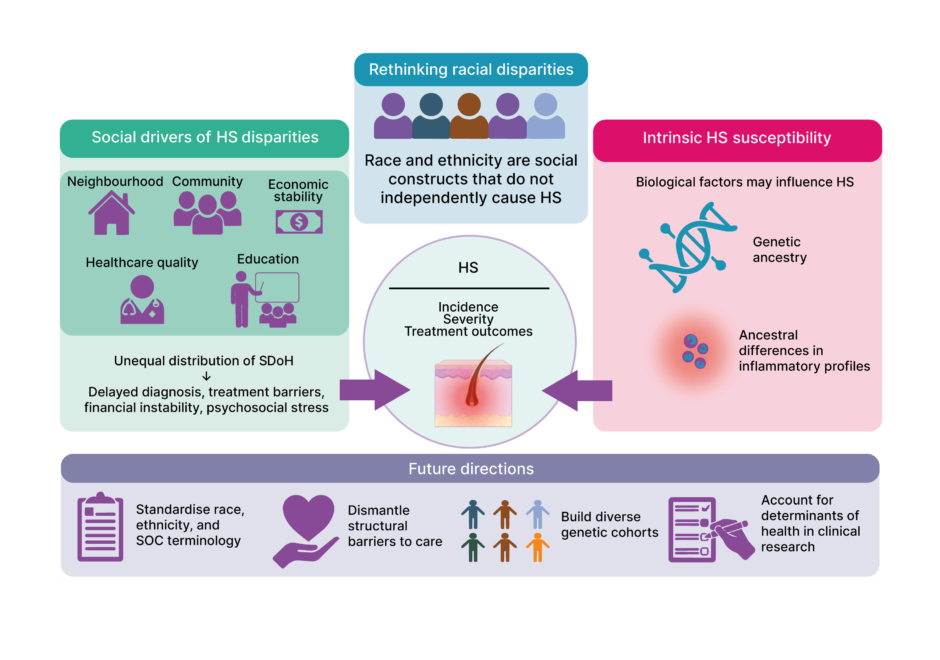
Figure 1: An updated view of racial and ethnic disparities in HS.
HS: hidradenitis suppurativa; SOC: skin of colour; SDoH: social determinants of health.
Race, ethnicity, and SOC are complex, heterogeneous constructs, and future research should adopt more consistent terminology. Current racial and ethnic classifications group populations with vastly different ancestries under labels like African American or Hispanic. These broad categories hide the substantial diversity within groups, making it difficult to identify true intrinsic differences between populations. Without a common framework for how these terms are used, it becomes harder to compare findings across studies or draw reliable conclusions about disease patterns. Studies should clearly state how race and ethnicity were determined, whether self-reported or assigned by a researcher, rather than treating these categories as objective measures. More importantly, researchers must understand that the racial and ethnic categories defined by the U.S. Census Bureau were designed for government funding and civil rights compliance and never intended to serve as designations for biomedical research. Instead, these categories are better understood as markers of unequal exposure to the social and structural factors that drive HS disparities.
Standardising terminology is an essential first step in HS research; however, it does not fully resolve the scientific challenges in understanding HS disparities. HS develops through the interaction of intrinsic susceptibility and extrinsic exposures, yet these relationships remain poorly understood. SDoH and StDoH likely shape disease onset and progression by influencing exposures such as obesity, smoking, and delayed access to care, each of which may contribute to the inflammatory burden in genetically susceptible individuals. Future HS genomics studies should account for these social and structural factors rather than interpreting molecular findings in isolation. Additionally, African-American patients and other minority groups remain severely underrepresented in HS genetic research, and building more diverse study cohorts is essential to identifying any geographic ancestry-specific risk alleles and improving generalisability of current data. Ultimately, understanding how intrinsic and extrinsic factors interact in HS will provide a more complete model of disease pathogenesis and may reveal the mechanisms that drive disparities in incidence, severity, and treatment outcomes.
In summary, addressing disparities in HS prevalence and severity requires structural change. This involves improving access to dermatology clinics in low-income neighbourhoods and addressing the downstream effects of historic housing discrimination. Although this review focuses on the USA, the unequal distribution of SDoH and StDoH are likely global drivers of HS disparities that warrant study in international settings. To make meaningful progress, HS research must shift focus away from race as a biological explanation and instead better understand the social and structural factors that more appropriately account for many of the disparities observed today.