EMERGING targeted therapies for cutaneous lupus could expand treatment options for patients with persistent skin manifestations. A new narrative review highlights advances in biologic and cellular therapies, alongside evolving insights into the immune mechanisms underlying cutaneous disease.
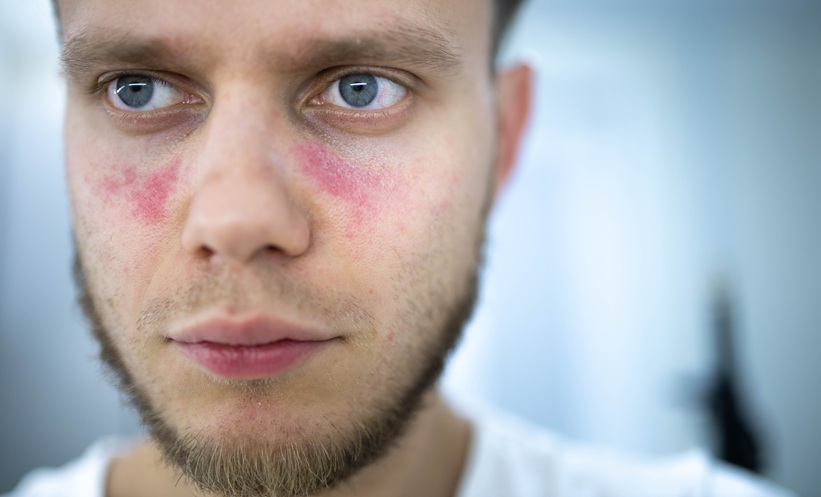
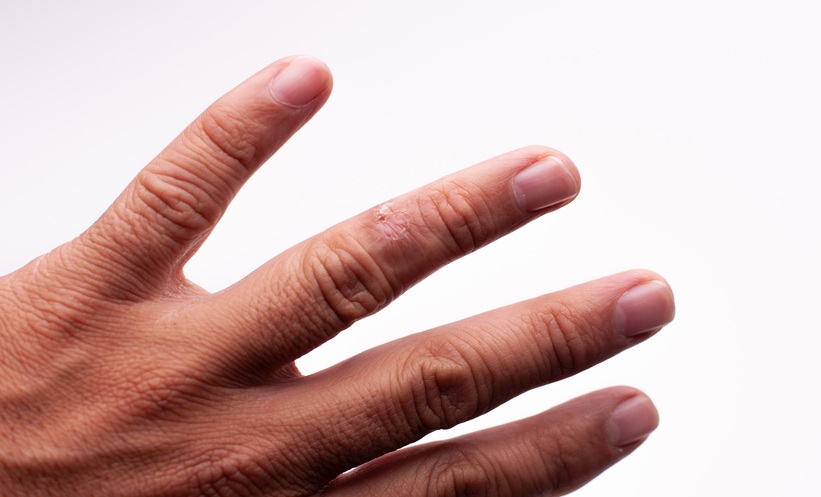
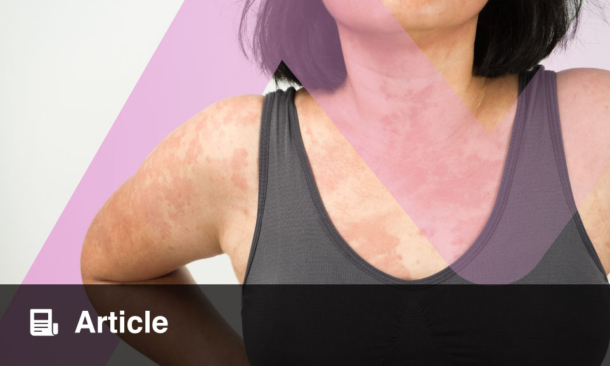
Skin manifestations affect 70–85% of patients with systemic lupus erythematosus (SLE) and represent the initial clinical presentation in up to one-quarter of patients. Early recognition can support diagnosis, inform assessments of systemic disease activity, and help prevent irreversible skin damage.
Targeted Therapies for Cutaneous Lupus
Photoprotection, topical corticosteroids, calcineurin inhibitors, and hydroxychloroquine remain central to cutaneous lupus management. However, targeted therapies offer additional options for patients whose disease remains inadequately controlled with conventional treatment.
Belimumab, which inhibits B-cell survival and activation, has demonstrated improvements in rash, alopecia, and mucosal ulcers in patients with SLE. Anifrolumab, which inhibits type I interferon signaling, has also demonstrated favorable cutaneous responses, particularly in patients with subacute and discoid lupus erythematosus.
In the 52-week TULIP-SC trial involving 367 patients with SLE, subcutaneous anifrolumab achieved a significantly higher composite disease response rate than placebo (56.2% versus 37.1%; p=0.0002). However, herpes zoster occurred more frequently among patients receiving anifrolumab (3.8% versus 1.1%).
Investigational therapies are also expanding the treatment landscape. Litifilimab has demonstrated improvements in cutaneous disease activity in early clinical trials, while the selective tyrosine kinase 2 inhibitor deucravacitinib has shown encouraging clinical responses and is undergoing Phase III evaluation for SLE.
Cell-Based Therapies Offer New Possibilities
Chimeric antigen receptor (CAR) T-cell therapy represents a potential disease-modifying strategy for patients with severe, refractory SLE. By targeting CD19-positive B cells, this approach aims to restore immune function through profound B-cell depletion.
In a small, uncontrolled case series involving eight patients with SLE, all achieved remission within six months and maintained drug-free remission during follow-up. Other investigational approaches include engineered natural killer cells, regulatory T-cell therapies, and mesenchymal stromal cell therapies.
Advancing Personalized Lupus Management
Despite encouraging therapeutic developments, evidence specifically evaluating cutaneous outcomes remains limited for several emerging treatments. Future trials should incorporate validated measures of skin disease activity and damage, including the Cutaneous Lupus Area and Severity Index (CLASI).
Identifying which cutaneous lupus phenotypes respond best to individual therapies could support more personalized treatment decisions while minimizing unnecessary immunosuppression and long-term complications.
Reference
Pleša-Bogomolova D et al. Systemic lupus erythematosus and cutaneous manifestations: emerging treatment approaches. Front Med (Lausanne). 2026;13:1979043.