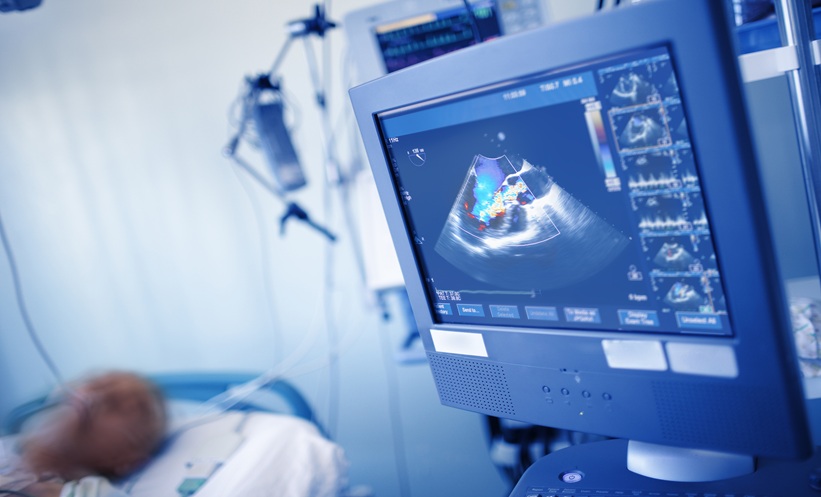
DEEP LEARNING models applied to echocardiography demonstrated high diagnostic accuracy for valvular heart disease in a systematic review and meta-analysis, although investigators cautioned that substantial heterogeneity and methodological limitations reduce confidence in the findings.
Deep Learning Performance in Valvular Heart Disease
Researchers conducted a systematic review of studies evaluating deep learning models for the detection of valvular heart disease using echocardiography.
Following a search of the literature published up to December 2025, 16 studies met inclusion criteria and were included in the meta-analysis.
The pooled analysis found that deep learning models achieved a 91% sensitivity and 89% specificity.
These findings suggest that artificial intelligence driven approaches may have considerable potential to identify valvular abnormalities using echocardiographic imaging.
Further analysis of the summary receiver operating characteristic curve showed an area under the curve of 0.96. The combined diagnostic odds ratio also indicated a strong overall discriminatory performance (77.2).
Heterogeneity Remains a Major Challenge
Despite encouraging diagnostic metrics, investigators reported substantial between study heterogeneity.
Both pooled sensitivity and specificity analyses demonstrated heterogeneity of I²=99%, highlighting considerable variability across the included studies.
Meta-regression identified study setting and data splitting strategy as significant contributors to heterogeneity.
However, subgroup analyses evaluating factors such as deep learning technique, disease type, validation method, and study setting did not reveal statistically significant differences in diagnostic accuracy.
The review also identified methodological concerns. Of the 16 studies, 10 were classified as having a high artificial intelligence specific risk of bias.
Common limitations included limited external validation, retrospective dataset construction, lack of calibration assessment, and restricted reporting of model interpretability.
Clinical Implications and Future Research
Sensitivity analyses produced comparable results to the primary analysis, and assessment of publication bias did not identify a statistically significant effect.
Nevertheless, the authors noted that publication bias and small study effects cannot be completely excluded.
Importantly, the certainty of evidence was rated as very low because of substantial heterogeneity and methodological variability.
As a result, the pooled estimates should be regarded as exploratory rather than broadly generalisable measures of diagnostic performance.
The authors concluded that deep learning shows promise as a tool for valvular heart disease detection through echocardiography.
However, multicentre prospective studies, standardised imaging protocols, robust external validation, and greater transparency in model development will be required before routine clinical implementation can be recommended.
Reference
Avesta L et al. Diagnostic accuracy of deep learning models for detecting valvular heart diseases using echocardiography: a systematic review and meta-analysis. Sci Rep. 2026;DOI:10.1038/s41598-026-70777-y.
Featured image: sudok1 on Adobe Stock