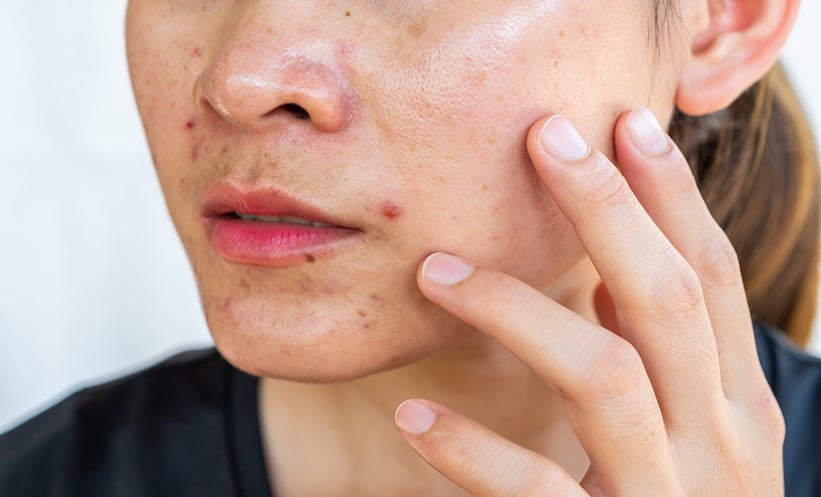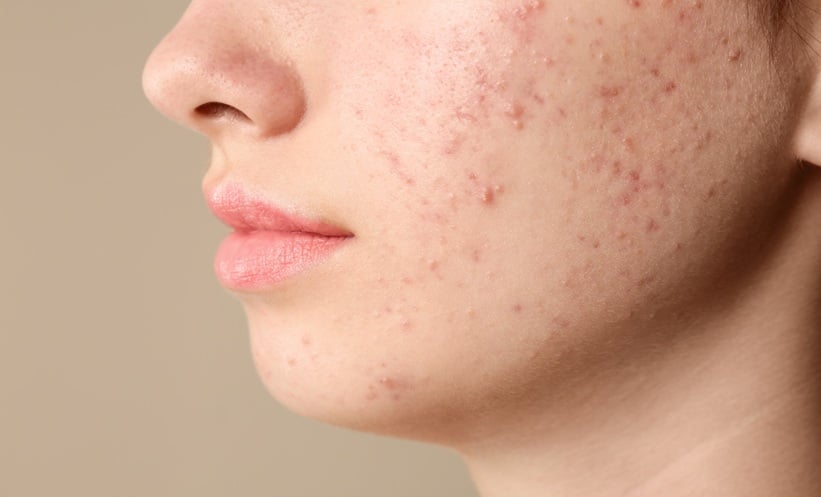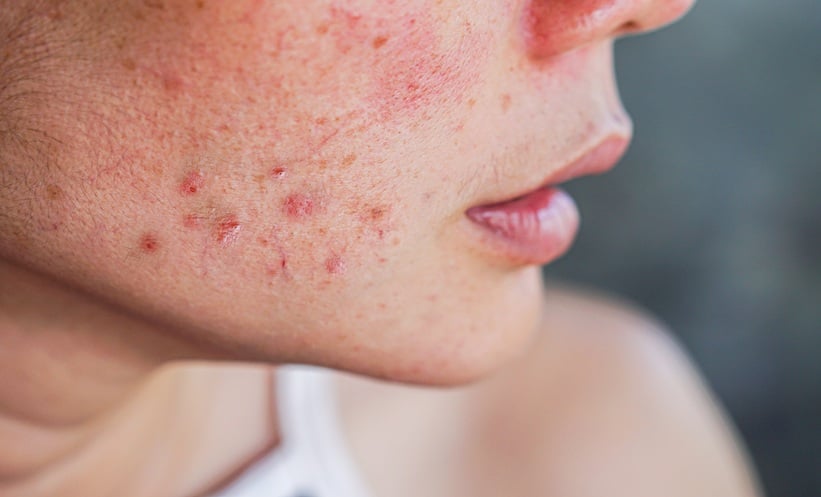
A NEW systematic review and meta-analysis has compared fractional CO₂ laser and needling-based treatments for facial acne scars, finding that both approaches provide comparable improvements in atrophic acne scars, while highlighting differences in safety outcomes.
Acne scarring is a common long-term consequence of acne vulgaris and can significantly affect quality of life. Fractional CO₂ laser resurfacing and microneedling techniques are widely used treatments; however, evidence directly comparing their effectiveness and complication profiles has remained limited.
Study Compares Laser Resurfacing and Needling Treatments for Acne Scars
Researchers conducted a systematic review and meta-analysis following PRISMA guidelines, analysing studies from databases including PubMed, Cochrane, Google Scholar, and ClinicalTrials.gov.
The review included 17 studies involving adults with facial atrophic acne scars treated with either fractional CO₂ laser or needling-based therapies. Researchers assessed treatment effectiveness, scar improvement, and adverse effects using a random-effects model.
Fractional CO₂ Laser Demonstrates Higher Treatment Success Rates
The analysis found no significant differences between fractional CO₂ laser and needling treatments for overall scar score improvement or quantitative scar reduction. However, fractional CO₂ laser demonstrated a significantly higher likelihood of treatment success compared with needling-based approaches.
The researchers noted that substantial variation between studies may have influenced some outcomes, suggesting that patient characteristics and treatment protocols remain important factors when selecting the most appropriate therapy.
Safety Outcomes Differ Between Acne Scar Treatment Approaches
While fractional CO₂ laser demonstrated higher treatment success rates, it was also associated with a significantly increased risk of post-inflammatory hyperpigmentation (PIH) compared with standard microneedling, highlighting the importance of considering skin type, pigmentation risk, and individual patient factors when selecting treatment.
However, fractional CO₂ laser was associated with lower pain scores compared with radiofrequency microneedling. No significant differences were observed between treatments for other adverse effects, including erythema, crusting, scabbing, or swelling.
Personalised Treatment Approaches Remain Key for Acne Scar Management
The authors concluded that fractional CO₂ laser and microneedling are both effective options for treating facial atrophic acne scars, with treatment choice depending on individual patient factors, scar characteristics, and risk of complications.
The findings highlight the importance of personalised approaches in acne scar management, with further research needed to determine optimal treatment strategies for different patient groups.
Reference:
Batool A et al. Comparing fractional CO₂ laser and needling-based modalities in facial acne scar treatment: a comprehensive systematic review and meta-analysis. Lasers Med Sci. 2026;41:124.
Featured image: doucefleur on Adobe Stock
- Author: