A NEW study has identified a previously unrecognised mechanism linking scalp microbiome imbalance to dandruff pathogenesis, highlighting disruption of aryl hydrocarbon receptor (AhR) signalling as a central driver of disease.
Engineered Skin Models Replicate Dandruff-Associated Dysbiosis
In the study, researchers developed full-thickness human skin equivalents (HSEs) colonised with microbial communities representative of either healthy scalp microbiota or dandruff-associated dysbiosis. The work provides new mechanistic insight into how microbial composition directly influences epidermal integrity and skin homeostasis.
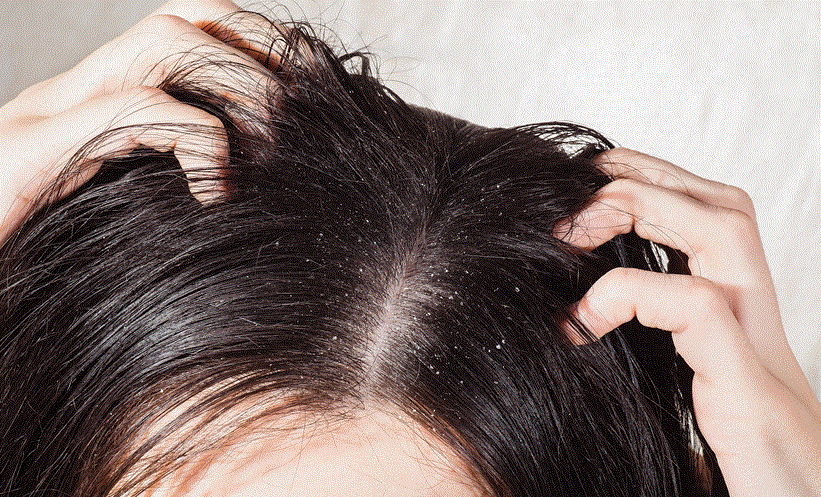
The investigators engineered two distinct microbial consortia: a healthy microbiome model (5M) and a dandruff-associated model (5MP). HSEs colonised with the healthy microbiome maintained normal epidermal architecture and barrier protein expression. In contrast, the dandruff-associated microbiome induced hallmark pathological changes associated with dandruff, including altered epidermal morphology, impaired barrier integrity, and abnormal degradation of corneodesmosomes.
Microbial Imbalance Shown to Disrupt Skin Barrier Homeostasis
Transcriptomic analysis revealed significant suppression of the AhR signalling pathway in HSEs colonised with the dysbiotic 5MP microbiome. Protein validation studies confirmed reduced expression of AhR-associated proteins, while analysis of scalp biopsy specimens from patients with dandruff demonstrated similar downregulation in vivo, supporting the clinical relevance of the findings.
The authors noted that AhR signalling has an established role in maintaining epidermal differentiation, barrier function, and immune regulation. Their findings suggest that disruption of this pathway by microbial dysbiosis may contribute directly to the epidermal abnormalities observed in dandruff.
Importantly, the study also introduces a novel experimental platform for investigating microbiome-driven skin disease. By incorporating scalp-relevant bacterial and fungal species into human skin equivalents, the model enables detailed interrogation of host–microbe interactions under physiologically relevant conditions.
The researchers concluded that microbial imbalance on the scalp can compromise key regulatory pathways involved in skin homeostasis, identifying AhR signalling as a potential therapeutic target in dandruff. They suggest the model could support future development of precision interventions aimed at restoring microbial balance and epidermal function in scalp disorders.
Reference
McPolin-Hall E et al. Engineering microbial symbiosis and dysbiosis reveals a new AhR-mediated mechanism underlying dandruff pathogenesis. Br J Dermatol. 2026; DOI: 10.1093/bjd/ljag210.
Featured image: artem_goncharov on Adobe Stock
- Author: