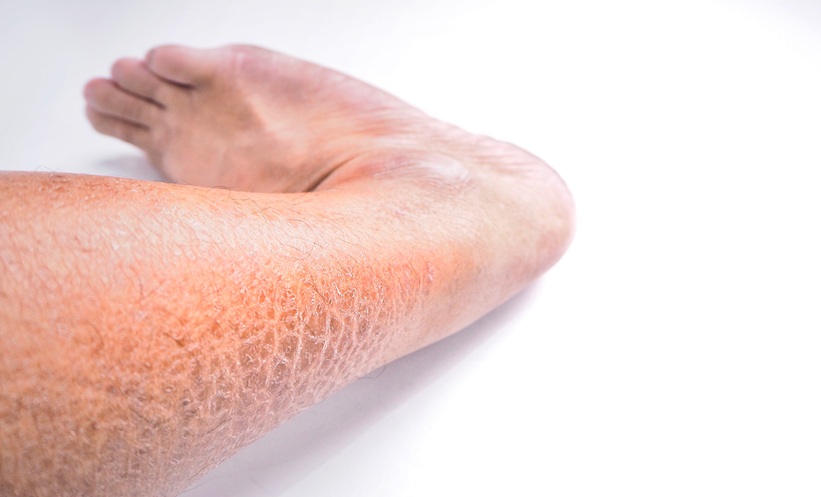
RARE ichthyosis was associated with an increased burden of systemic comorbidities and earlier mortality in a national cohort from England, highlighting important implications for healthcare planning and the management of patients with these inherited skin disorders.
Researchers conducted a national retrospective cohort study using routinely collected healthcare data from England between 1998–2024 to characterise the epidemiology of inherited ichthyoses. The study also examined patient level comorbidities, mortality, and genetic testing status. Cases were identified using International Classification of Diseases, Tenth Revision (ICD-10) diagnostic codes, with demographic and clinical information extracted from national healthcare databases.
A total of 4,330 patients with ichthyosis were identified, including 3,758 classified as having a rare ichthyosis. The estimated prevalence of rare ichthyoses was 51.6 per million (95% CI:49.7–53.5). Compared with the reference population, patients in the overall cohort were younger, with a median age of 22 years compared with 41 years. They were also more likely to identify as Asian, accounting for 17.1% of the cohort compared with 9.6% in the reference population (P<0.001), and were more frequently represented within the most deprived socioeconomic quintiles, accounting for 48.1% of the cohort compared with 40.0% of the reference population (P<0.001).
Systemic Comorbidities and Mortality Were Higher
Patients with rare ichthyosis experienced higher rates of several systemic comorbidities than the reference population. These included asthma, inflammatory arthropathies, and atrial fibrillation, suggesting that inherited ichthyoses were associated with a broader health burden than skin manifestations alone.
Mortality patterns also differed substantially between the study cohort and the reference population. Among patients with ichthyosis, 18.5% of deaths occurred before the age of 25 years, compared with 1.0% of deaths occurring before this age threshold in the reference population (P<0.001). These findings indicated a disproportionate burden of premature mortality among affected patients.
Findings Highlighted Gaps in Genetic Testing
The study also assessed the use of genetic testing within the cohort. Only 160 patients underwent genetic testing, representing a small proportion of the overall study population. Among those tested, pathogenic variants in genes known to cause ichthyosis were identified in 90 patients, corresponding to 56% of tested cases.
The authors concluded that patients with rare ichthyosis experienced a broader range of systemic comorbidities than previously recognised, including among those categorised as having non syndromic disease. They suggested that these findings could inform future healthcare planning, guide research priorities, and support efforts to address inequities in access to care and genetic testing.
Reference
Eisner MD et al. A national epidemiological study of inherited ichthyoses in England from 1998-2024. Br J Dermatol. 2026; DOI:10.1093/bjd/ljag295.
Featured image: Tanapat Lek,jew on Adobe Stock