GREATER maternal adherence to the EAT-Lancet diet was associated with increased infant head circumference during the first months of life, according to a new study. In contrast, researchers found no significant associations between plant-based dietary indices and infant growth measures.
The EAT-Lancet diet has been promoted as a dietary pattern that supports both human health and environmental sustainability. While its benefits for adult health have been widely explored, evidence on its potential influence on infant growth remains limited.
Study Examined Maternal Diet and Infant Growth
Researchers recruited 326 healthy mother-infant pairs and assessed maternal dietary intake using a semi-quantitative food frequency questionnaire. Adherence to the EAT-Lancet diet was calculated using the Kesse-Guyot scoring system, while plant-based dietary patterns were assessed using established plant-based diet indices.
Infant growth was evaluated between 2 and 6 months of age, with measurements including weight, length, head circumference, and ponderal index.
Mothers with the highest adherence to the EAT-Lancet diet had infants with a 13.8% greater likelihood of increased head circumference compared with those in the lowest adherence group (OR 1.138; 95% CI 1.026-1.262; p=0.015). However, no significant associations were observed between plant-based diet indices and any of the infant growth parameters measured.
Nutritional Differences May Explain Findings
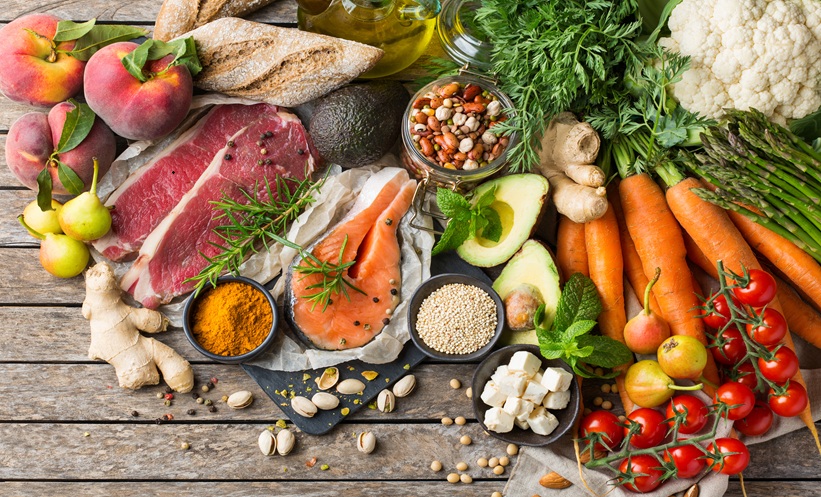
The authors suggest that the differences observed may reflect the nutritional composition of the EAT-Lancet diet compared with more strictly plant-based dietary patterns. Unlike fully plant-based diets, the EAT-Lancet diet includes modest amounts of animal-source foods, which may help improve maternal intake of nutrients important for fetal and early infant development.
However, the researchers emphasised that the study demonstrates an association rather than a causal relationship. As an observational study, it cannot determine whether adherence to the EAT-Lancet diet directly influences infant head circumference, and unmeasured factors may also contribute to the findings.
The authors conclude that further research is needed to confirm these results in larger and more diverse populations and to explore how different maternal dietary patterns may influence infant growth and development using a wider range of growth indicators.
Reference
Kamrani F et al. EAT-lancet diet linked to increased infant head circumference: a contrast with plant-based diet indices. Sci Rep. 2026;DOI: 10.1038/s41598-026-61111-7.
Featured image: aamulya on Adobe Stock
- Author: