CHINA’S first human swine influenza A(H1N2)v case highlights zoonotic exposure and the value of influenza surveillance.
The infection was identified in a previously healthy boy aged 2 years and 10 months who developed recurrent fever and paroxysmal cough. His condition progressed despite several outpatient visits and treatments, leading to hospitalization with bronchopneumonia and infectious fever.
Testing on admission detected influenza A, while sputum culture suggested concurrent Haemophilus influenzae infection. Chest CT showed increased and blurred pulmonary markings. The child received cefoperazone–sulbactam, oseltamivir, ambroxol, and nebulized budesonide. His fever resolved, respiratory symptoms improved, and he was discharged after a complete recovery.
Sequencing Confirms Variant Influenza
Initial reverse transcription polymerase chain reaction testing of archived and follow-up specimens returned negative results. However, next-generation sequencing recovered the complete viral genome from the patient’s oropharyngeal swab.
Genomic analysis identified a reassortant virus derived from swine H1N1, H1N2, and H3N2 lineages. Its eight gene segments shared 95.17%–98.53% nucleotide homology with swine influenza strains circulating in China. Further whole-genome sequencing confirmed the virus as swine influenza A(H1N2)v.
The discrepancy between sequencing and polymerase chain reaction results may have reflected low viral load, early specimen collection, or inadequate recovery of infected cells. The case demonstrates how sequencing can support diagnosis when routine testing is negative but clinical and epidemiological suspicion remains.
Animal Exposure Provides Plausible Source
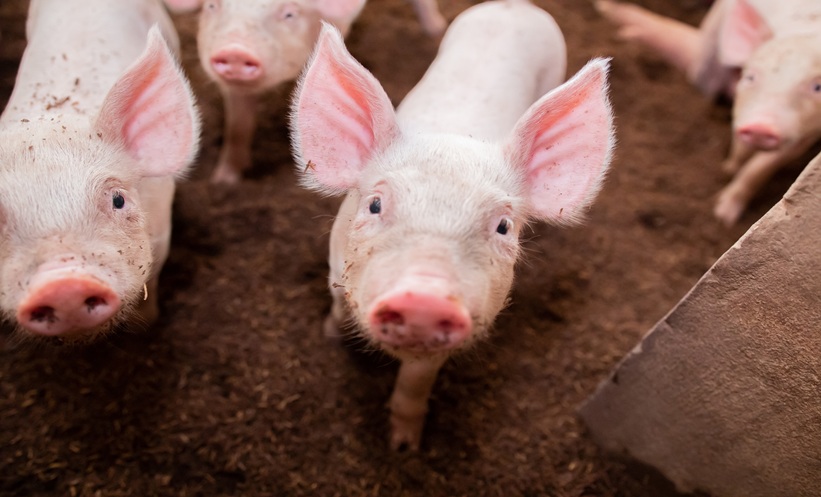
The child lived in a rural compound where pigs, chickens, and pigeons were kept close to residential and cooking areas. A pig owned by his great-uncle died shortly after the child became ill, while two additional pigs developed cough and diarrhea.
Among 91 human, animal, and environmental specimens, bronchoalveolar lavage fluid and two lung samples from the deceased pig tested positive for influenza A. One lung specimen was confirmed as N2 positive. Although the exact transmission route could not be established, investigators considered the deceased pig a plausible source.
All 30 close contacts tested negative and remained free of influenza-like illness during monitoring. No secondary infections were identified, providing no evidence of human-to-human transmission.
The findings reinforce the clinical importance of asking patients with influenza-like illness about recent swine exposure. They also support sustained influenza surveillance, improved separation of livestock from living areas, and closer coordination between human and animal health systems.
Reference
Zhao D et al. First report of human infection caused by swine-origin influenza A(H1N2)v virus in mainland China: a confirmed case identified through influenza-like illness surveillance, Kunming (Yunnan), 2025. Front Public Health. 2026;14:1893536.
Featured Image: Nattaro on Adobe Stock.