Ginger Compound Boosts Antibiotic Activity Against MRSA

This site is intended for healthcare professionals

Ginger Compound Boosts Antibiotic Activity Against MRSA

Key Summary:

  • Ginger compound showed activity against MRSA.
  • Enhanced the effectiveness of several antibiotics.
  • Further studies are needed before clinical use.
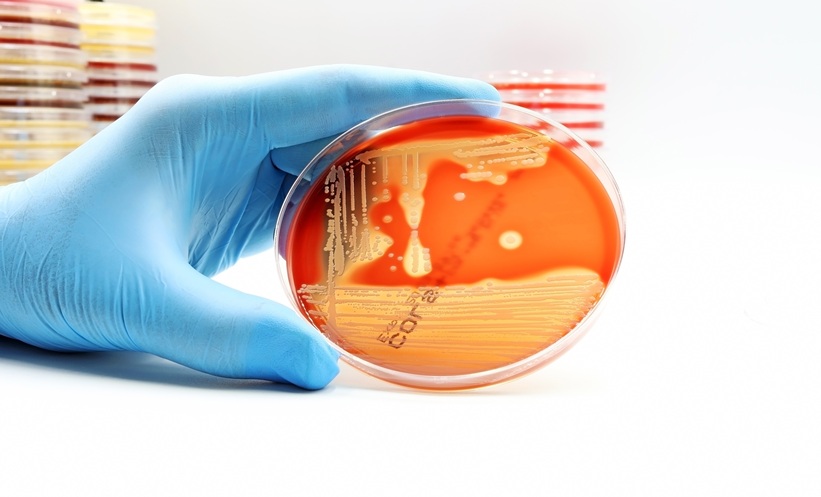
A naturally occurring compound found in ginger may help strengthen existing antibiotics against methicillin-resistant Staphylococcus aureus (MRSA), according to new research. The study identified 3-shogaol as the most potent member of the shogaol family, demonstrating direct antibacterial activity while also enhancing the effectiveness of several commonly used antibiotics.

As antimicrobial resistance continues to limit treatment options for MRSA infections, researchers are increasingly exploring naturally derived compounds that can either kill bacteria directly or restore the activity of existing antimicrobial drugs.

Researchers screened multiple ginger compounds

The research team investigated eight different shogaols—bioactive compounds naturally produced from ginger (Zingiber officinale)—to evaluate their antibacterial properties and determine how subtle structural differences influence antimicrobial activity.

Initial testing assessed activity against two Gram-positive bacteria, MRSA and Enterococcus faecalis, and two Gram-negative pathogens, Acinetobacter baumannii and Klebsiella pneumoniae. Further experiments focused specifically on MRSA using broth microdilution and checkerboard assays to examine interactions with conventional antibiotics.

The researchers also evaluated potential toxicity using human retinal epithelial and fibroblast cell lines.

3-Shogaol emerged as the strongest antibacterial compound

Among all eight compounds tested, only 3-shogaol demonstrated measurable direct antibacterial activity against MRSA.

When compared with the better-known 6-shogaol, 3-shogaol displayed substantially greater potency, with a minimum inhibitory concentration (MIC) of 64 µg/mL versus 1024 µg/mL for 6-shogaol.

These findings suggest that relatively small changes in the molecular structure of shogaols can have a profound effect on their antimicrobial activity.

Compound enhanced the activity of multiple antibiotics

In addition to its direct antibacterial effects, 3-shogaol demonstrated strong synergistic activity when combined with several antibiotics.

The compound enhanced the effectiveness of amoxicillin, gentamicin, methicillin, and oxacillin against MRSA, with stronger and more consistent synergistic effects than those observed with 6-shogaol. Checkerboard testing showed lower fractional inhibitory concentration index values for 3-shogaol, indicating greater potentiation of antibiotic activity.

The researchers suggest that using compounds such as 3-shogaol alongside existing antibiotics could improve treatment efficacy while potentially reducing the doses of antibiotics required.

Low toxicity supports further investigation

Safety testing indicated that both 3-shogaol and 6-shogaol were considerably less toxic to human cells than the positive control, 5-fluorouracil.

The compounds also demonstrated improved selectivity under synergistic treatment conditions, suggesting they preferentially targeted bacterial cells over human cells.

While the findings are limited to laboratory experiments, the authors conclude that 3-shogaol represents a promising candidate for development as both a novel antibacterial agent and an antibiotic adjuvant against MRSA. Further preclinical and clinical studies will be needed to determine whether these encouraging in vitro results translate into effective therapies for patients.

Reference

Kitisak Ooi, Haseeb et al. 3-Shogaol demonstrates antibacterial and antibiotic-potentiating effects against methicillin-resistant Staphylococcus aureus. Journal of Applied Microbiology. 2026;DOI: 10.1093/jambio/lxag169.

Author:

Each article is made available under the terms of the Creative Commons Attribution-Non Commercial 4.0 License.

Rate this content's potential impact on patient outcomes

Average rating 0 / 5. Vote count: 0

No votes so far! Be the first to rate this content.