Key Summary:
- The platform delivered complete diagnostic results in 6.75 to 17 hours.
- Pathogen identification was 96.15% concordant with laboratory results.
- Susceptibility testing achieved 97.96% essential agreement across 219 tests.
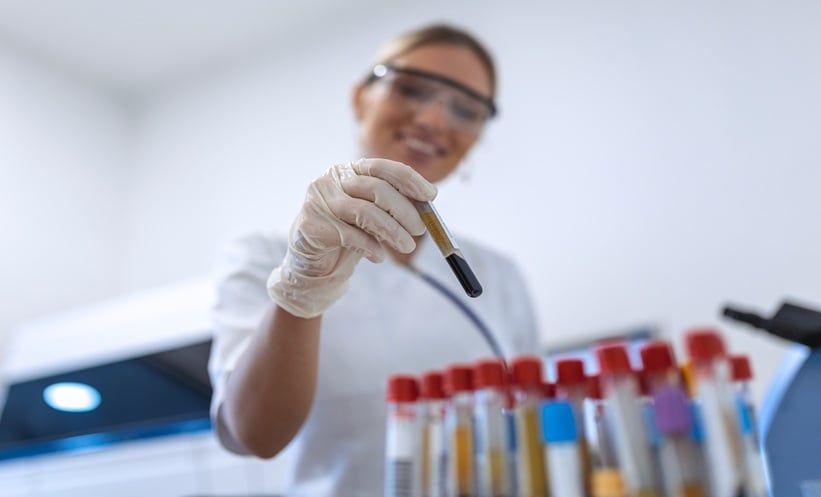
SINGLE-CELL bloodstream infection diagnosis delivered pathogen identification and susceptibility results from whole blood within hours.
Bloodstream infections can progress to life-threatening sepsis, making rapid identification and effective antimicrobial treatment critical. However, conventional blood culture may require 2 to 7 days to produce definitive results. During that interval, clinicians commonly rely on empiric broad-spectrum antibiotics, which may provide inadequate treatment or contribute to antimicrobial resistance.
Researchers developed sedimentation-assisted tandem rocking and enrichment for analysis and monitoring, known as STREAM. The method combines bacterial enrichment with the removal of red blood cells from whole blood.
Blood is mixed with a customized culture broth and dextran before gentle rocking. The dextran causes red blood cells to aggregate and settle, while bacteria remain suspended in a nutrient-rich upper layer and continue multiplying. Samples can be collected at intervals while the remaining culture continues incubating, helping preserve the ability to detect slow-growing organisms.
The enriched bacteria are then analyzed using molecularly barcoded sequential fluorescence in situ hybridization. Fluorescent probes targeting bacterial 16S ribosomal RNA identify pathogens at multiple taxonomic levels. A separate gel-based assay monitors individual bacterial cells during antibiotic exposure to determine minimum inhibitory concentrations and susceptibility profiles.
Pathogen identification was assessed in 104 positive blood culture samples. Results showed 96.15% concordance with clinical microbiology laboratory reports, with identification completed within 1.2 to 2.5 hours. Four samples were not fully resolved to the species level, but no organisms were misidentified.
Across 219 antibiotic and dose combinations, single-cell antimicrobial susceptibility testing achieved 97.96% essential agreement and 93.9% categorical agreement with clinical laboratory findings. Complete results were available in 6.75 to 17 hours in whole blood samples spiked with clinical isolates, depending on the organism and bacterial concentration. The average turnaround time was approximately 9 hours.
The findings suggest that rapid bloodstream infection diagnosis could support earlier targeted therapy and diagnostic stewardship. However, direct whole blood testing used spiked samples rather than prospective clinical specimens. Previous antibiotic exposure, polymicrobial infections, intracellular organisms, and pathogens requiring specialized culture conditions may also impair detection.
The workflow involves several processing and imaging steps that could increase laboratory cost and complexity. Automation, broader pathogen coverage, and multicenter clinical studies will therefore be needed before routine implementation.
Reference
Chin SM et al. Rapid and robust diagnosis of bloodstream infections by single-cell analysis. Science Advances. 2026;12(35). doi:10.1126/sciadv.aeh3580.
Featured Image: Graphicroyalty on Adobe Stock.
Each article is made available under the terms of the Creative Commons Attribution-Non Commercial 4.0 License.