Key Summary:
- Allergy symptoms improved significantly following immunotherapy.
- Annual asthma exacerbations decreased by an average of 2.7.
- No severe systemic reactions or treatment-related hospitalisations were reported.
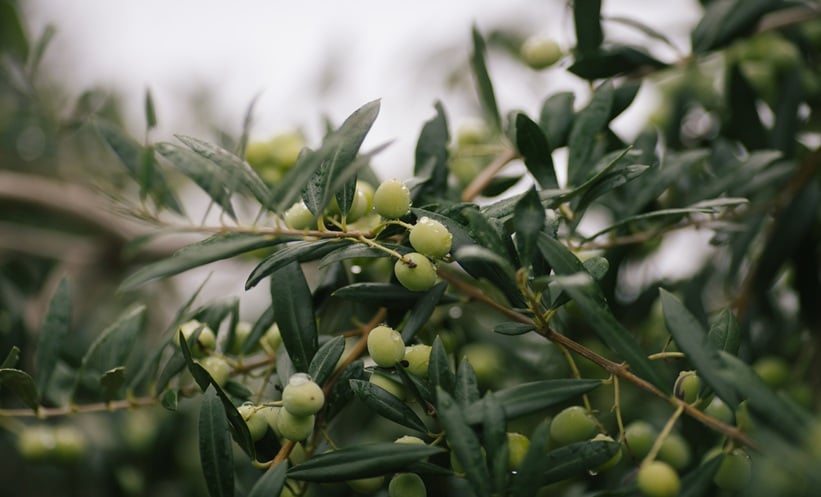
OLIVE pollen immunotherapy administered through an accelerated treatment schedule was associated with significant improvements in allergic rhinoconjunctivitis symptoms and asthma outcomes, according to a multicentre real-world study involving 245 patients.
The OLGA study found that cluster subcutaneous allergen immunotherapy (SCIT), using olive pollen extracts alone or combined with grass pollen, was associated with improvements across all assessed symptom domains over 1 year. The treatment also demonstrated a favourable observed safety profile, with adverse reactions predominantly mild and localised.
Allergen immunotherapy (AIT) is an established treatment for IgE-mediated allergic diseases and can modify the underlying allergic response rather than solely providing symptom relief.
Cluster SCIT schedules allow patients to reach maintenance doses more rapidly than conventional schedules by administering multiple injections during treatment visits. However, real-world evidence concerning accelerated immunotherapy with Olea europaea pollen extracts, particularly in Mediterranean populations, remains limited.
Researchers conducted a retrospective analysis across 16 allergy centres in Spain, evaluating patients with allergic rhinoconjunctivitis and/or asthma sensitised to olive pollen, with or without grass pollen.
The study included 245 patients, of whom 51% were male, with a mean age of 26.6 years. Participants received cluster SCIT using hypoallergenic depot extracts, and researchers assessed adverse reactions and changes in nasal, non-nasal, and asthma-related symptoms over 1 year.
Following immunotherapy, researchers observed statistically significant improvements across all evaluated symptom domains.
Mean nasal symptom scores decreased by 5.05 points, while non-nasal symptom scores fell by 4.00 points. Total symptom scores decreased by 9.06 points, with all improvements reaching statistical significance (p<0.001).
More than 93% of patients met predefined thresholds for clinically relevant improvement across the evaluated symptom domains, suggesting that favourable changes were observed in a substantial proportion of participants.
Improvements were also observed in asthma outcomes. The annual number of asthma exacerbations decreased by an average of 2.7 (p<0.001), indicating a reduction in exacerbation burden during follow-up.
Similar patterns of clinical improvement were reported among patients receiving olive pollen extracts alone and those treated with combined olive and grass pollen preparations.
Adverse reactions were reported in 27.3% of patients, with most consisting of mild local reactions.
Importantly, no grade 3 or higher systemic reactions, hospitalisations, or treatment discontinuations due to adverse reactions were reported during the study.
These findings provide additional real-world evidence regarding the tolerability of accelerated SCIT schedules using olive pollen extracts, including in patients with coexisting allergic asthma.
The researchers concluded that cluster SCIT was associated with favourable clinical outcomes and an acceptable observed safety profile under routine clinical practice conditions.
However, the retrospective design and absence of a control group limit conclusions about treatment effectiveness and comparative safety. Further prospective controlled studies are needed to confirm the findings and establish the longer-term benefits of accelerated immunotherapy schedules.
Reference
Alcántara-Villar, M., Martín-Casañez, E., Rodríguez, M.T.P. et al. Real-world safety and clinical outcomes of cluster subcutaneous immunotherapy with olive pollen extracts, with or without grass pollen, in patients with allergic rhinoconjunctivitis and/or asthma. Allergy Asthma Clin Immunol (2026). https://doi.org/10.1186/s13223-026-01074-6
Adobe Stock
Each article is made available under the terms of the Creative Commons Attribution-Non Commercial 4.0 License.