Meeting Summary
Multi-cancer early detection (MCED) tests are designed to detect a shared cancer signal from circulating cell-free DNA (cfDNA) in blood and can help identify multiple cancer types through a single test.
This article summarizes data from two late-breaking oral presentations at the 2026 American Society of Clinical Oncology (ASCO) Annual Meeting. Results were from two large population-scale screening studies of a targeted methylation-based MCED test (GalleriⓇ [GRAIL, Inc., Menlo Park, California, USA]). PATHFINDER 2 is a prospective study evaluating the test’s safety and performance when used alongside standard-of-care cancer screenings in a diverse intended-use population in North America. NHS-Galleri is the first and only RCT of an MCED test, conducted in England, evaluating the clinical utility of annual screening of asymptomatic individuals aged 50–79 years.
In PATHFINDER 2, the MCED test demonstrated robust performance and a favorable safety profile after 12 months of follow-up. Adding the test to guideline-recommended screening for breast, cervical, colorectal, and lung cancers led to a 6.5-fold increase in screen-detected cancers, with most detected at Stages I–III. In NHS-Galleri, although the primary endpoint of reducing combined Stage III/IV cancers was not met, annual MCED testing substantially increased screen-detected cancers and reduced Stage IV diagnoses and emergency presentations.
These findings support that MCED testing can be safely implemented at a population scale and may provide benefit when added to existing screening by increasing screen-detected cancers and shifting diagnosis to earlier stages, when there is a greater opportunity for treatment with curative intent.
The Goal of Multi-Cancer Early Detection
Cancer screening aims to detect early signs of the disease in asymptomatic people. While effective screening improves early cancer detection, in the USA and the UK, only 14.1% and 6.2% of cancers, respectively, are currently detected through guideline-recommended screening tests.1,2 In the USA, around 70% of cancer deaths occur from cancer types that are not covered by current screening recommendations.3
Late-stage disease contributes disproportionately to cancer deaths. In a US modeling study, Stage IV cancers accounted for an estimated 18% of diagnoses but 48% of cancer-related deaths within 5 years.4 This highlights an important unmet need to detect cancers earlier, before symptoms develop, and before the disease has spread. Earlier diagnosis may increase the opportunities for treatment with curative intent and could improve outcomes at a population level, including reducing cancer-related deaths and treatment-related side effects.
MCED tests are designed to detect multiple cancer types by analyzing small fragments of cfDNA released into the bloodstream by tumor cells. The MCED test (GalleriⓇ) evaluated in these studies is a targeted methylation-based assay that detects a shared cancer signal in cfDNA. When a positive result is identified, it also predicts the likely cancer signal origin (CSO), guiding the diagnostic evaluation. The test can detect more than 50 types of cancer before symptoms appear and has been clinically validated in large case-control and population-scale intended-use studies in North America and the UK.5-8
Study Populations and Endpoints
PATHFINDER 2
PATHFINDER 2 is a prospective, multi-center, interventional study evaluating the safety and performance of the MCED test when used alongside standard-of-care screenings in a diverse, intended-use population in the USA and Canada (Figure 1A).9 The study enrolled more than 35,000 adults aged 50 years and older with no clinical suspicion of cancer.9,10 Participants were broadly representative of the intended screening population across age, sex, race, and ethnicity.11
The primary objectives of the study were 1) to evaluate the safety of the MCED test based on the number and type of diagnostic procedures triggered by a positive result, and 2) to assess test performance across various measures, including: the likelihood of receiving a cancer diagnosis following a positive test result (positive predictive value [PPV]), negative predictive value, episode sensitivity (the ability to detect cancer that could be confirmed within 12 months after blood collection), specificity, and CSO prediction accuracy. Secondary objectives included the use of guideline-recommended cancer screening procedures after use of the MCED test, the ability of confirmatory PET-CT to detect cancer in participants where targeted diagnostic evaluation triggered by MCED test results does not result in a cancer diagnosis, and participant-reported outcomes over several time points, including an assessment of anxiety and satisfaction with the MCED test.
NHS-Galleri
The NHS-Galleri is the first and only RCT of an MCED test and evaluated annual screening with the test in England’s NHS over 3 years in approximately 142,000 demographically representative participants aged 55–77 years at enrollment (Figure 1B).12,13 Retention was high, with approximately 88% of participants completing all three screening rounds.
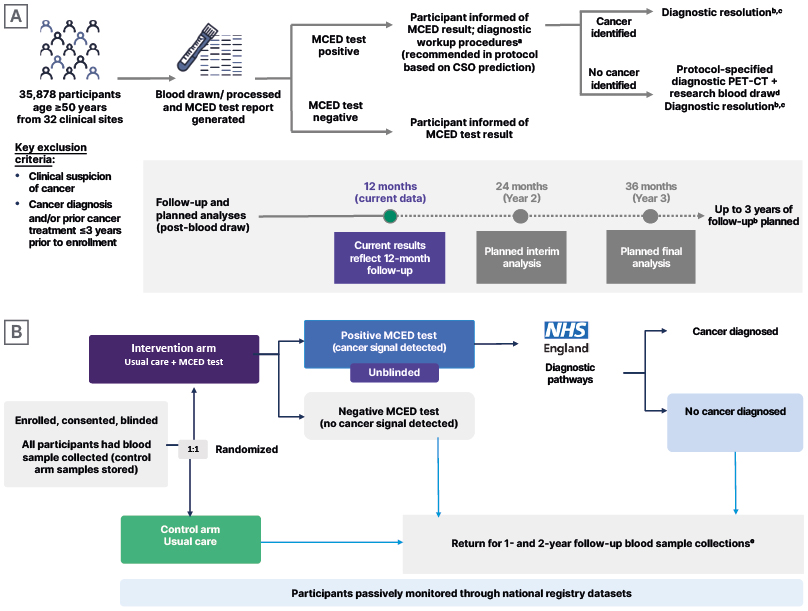
Figure 1: Study design: PATHFINDER 2 and NHS-Galleri.9
aDiagnostic evaluations based on CSO were recommended in the protocol.
bAll participants are actively followed by enrolling institutions for 3 years to assess cancer status and utilization of cancer screening tests on an annual basis.
cClinical information, including but not limited to cancer type, histology, and staging information were collected.
dResearch blood draw was also collected to understand the clinical benefit of an MCED test; the results of the research blood draw were not returned.
eParticipants who were diagnosed with cancer were not required to return for blood samples.
A) The PATHFINDER 2 study enrolled approximately 35,000 adults aged 50 years and older without clinical suspicion of cancer, as well as without cancer diagnosis or treatment within 3 years of enrollment.9 Each participant received a single MCED test. Individuals with positive test results underwent further diagnostic procedures guided by the predicted CSO to determine if they had cancer. If no cancer was identified through standard diagnostic assessment, participants underwent an additional PET-CT scan. The results presented are based on 12 months of follow-up, with additional analyses planned for 2 and 3 years of follow-up.
B) The NHS-Galleri study enrolled approximately 142,000 asymptomatic individuals aged between 50–77 years.
Participants provided three blood samples over approximately 3 years, about 12 months apart. Following the initial blood collection, participants were randomly assigned 1:1 to an intervention or control group. Blood samples from the intervention group were tested, while samples from the control group were stored. Individuals with a positive MCED result were referred through established urgent cancer diagnostic pathways, with all subsequent investigations and treatment delivered through routine NHS care. Participant outcomes were captured through national registry datasets.
CSO: cancer signal origin; MCED: multi-cancer early detection test.
The study objectives were developed in collaboration with NHS England. The primary endpoint was to show a significant reduction in late-stage (Stage III or IV) cancers in people who received the MCED test compared to those who did not. This was measured in three clinically important groups of cancer, focusing first on a prespecified group of 12 cancers (lung, head and neck, colon/rectum, pancreas, myeloma/plasma cell neoplasm, liver/bile duct, stomach, esophagus, anus, lymphoma, ovary, and bladder) responsible for around two-thirds of cancer deaths in the USA and UK. Secondary objectives included a reduction in Stage IV cancers, proportion of early-stage (Stage I or II) cancers, the safety and performance of the MCED test, and an increase in the overall cancer detection rate.
Results
PATHFINDER 2
Of 440 participants who were diagnosed with cancer, 264 (60%) were detected through screening (Figure 2). Of these screen-detected cancers, MCED testing identified 173 cancers (151 new primary and 22 recurrent cancers), with a further 91 detected through current US Preventive Services Task Force (USPSTF)-recommended screening (Figure 2). MCED testing increased the number of screen-detected cancers by ~6.5-fold when added to recommended screening for breast, cervical, colorectal, and lung cancers (USPSTF A/B), and by ~3-fold when added to recommended screening for breast, cervical, colorectal, lung, and prostate cancers (USPSTF A/B/C; Figure 2).
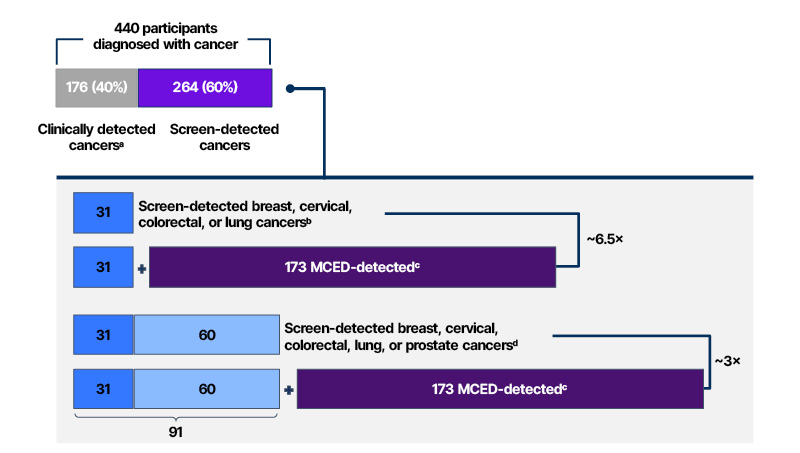
Figure 2: MCED testing increased the number of screen-detected cancers when added to USPSTF-recommended screening.
aClinically detected cancers included those detected incidentally (n=74), by signs and symptoms (n=66), by surveillance (n=27), and other (n=9); of which four were follow-up after abnormal test results, two were incidental findings, and three were unknown.
bUSPSTF Grade A/B recommendations include screening for breast, cervical, colorectal, and lung cancers.
cMCED-detected cancers refer to cancers diagnosed within 12 months following a positive MCED test result.
dUSPSTF Grade A/B/C recommendations include screening for breast, cervical, colorectal, lung, and prostate cancers.
MCED: multi-cancer early detection test; USPSTF: US Preventive Services Task Force.
As well as increasing the number of cancers detected through screening, the MCED test also detected many cancers at early stages. More than half (53.0%) of new cancers detected by the MCED test were diagnosed at Stage I or II, and more than two-thirds (70.9%) were at Stage I–III. Of the MCED-detected Stage I or II cancers, more than two-thirds (71.2%) were cancer types without USPSTF A/B screening recommendations.
The MCED test demonstrated robust performance with a low false-positive rate. The MCED test detected a cancer signal in 287 participants, 173 of whom were subsequently diagnosed with cancer, corresponding to a PPV of 60.3%. Episode sensitivity was 69.8% for the 12 prespecified cancers, and 39.3% across all cancers. Specificity was 99.6%, translating to a false-positive rate of 0.36%.
The MCED test also performed well at predicting the likely location of the cancer in the body. Overall, CSO prediction accuracy was 91.3% across all cancers, supporting efficient targeted diagnostic evaluation. Among participants with a positive test result who were subsequently diagnosed with cancer, the median time to diagnosis was 37 days.
Screening with the MCED test showed a favorable safety profile. Only 0.6% of all participants included in the safety analysis had an invasive procedure following a positive test result, 90.5% of which were non-surgical. At the time of analysis, five study-related adverse events were reported during diagnostic evaluation, none of which were serious. Participant anxiety increased modestly after a positive MCED test result but returned to baseline levels within 12 months.
NHS-Galleri
The study did not meet its primary endpoint of a statistically significant reduction in Stage III/IV cancers in 12 prespecified cancer types within the current follow-up period. A total of 706 Stage III/IV cancers were diagnosed in the intervention group compared with 688 in the control group (incidence rate ratio: 1.03; p=0.6324) after three annual screening rounds and 1 year of follow-up. However, the pattern of results differed across successive screening rounds. After an initial 19% increase in the relative incidence of Stage III/IV cancers in the first (‘prevalent’) screening round, there were decreases of 5% and 12% during the second and third (‘incident’) rounds, respectively (Figure 3A).
One of the prespecified secondary endpoints was the incidence of Stage IV cancer. Across the 12 prespecified cancers, there were 14% fewer Stage IV cancers in the intervention group than in the control group after three rounds of screening (Figure 3B). The relative incidence of Stage IV cancers progressively decreased across screening rounds, with reductions of 9%, 22%, and 26% reductions during the first, second, and third rounds, respectively (Figure 3B).
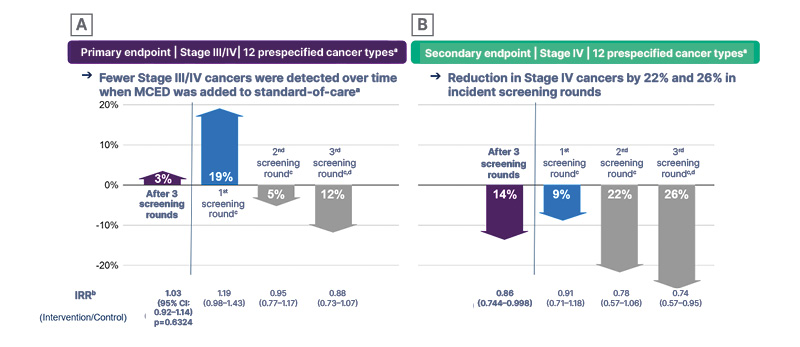
Figure 3: Relative incidence rate of combined Stage III/IV cancers, and Stage IV cancers, in the intervention group compared to the control group in a prespecified group of 12 cancers.a
aThe prespecified cancer types were lung, head and neck, colon/rectum, pancreas, myeloma/plasma cell neoplasm, liver/bile duct, stomach, esophagus, anus, lymphoma, ovary, and bladder.
bPercent difference was calculated with IRRs as part of the prespecified analysis, not raw cancer counts (graphed in bar charts for illustrative purposes).
cAs not all participants attended every screening round, some cancers were not assigned a screening round.
dFollow-up time was variable in the third screening round and ranged from 12–22 months.
A) After three screening rounds, the IRRb of Stage III/IV cancers was 1.03 (95% CI: 0.92–1.14), with a p value of 0.6324. The relative incidence rate of Stage III/IV cancer decreased after the first (‘prevalent’) screening round (IRR: 1.19) to ‘incident’ rounds (second round IRR: 0.95 [95% CI: 0.77–1.17], third round IRR: 0.88 [95% CI: 0.73–1.07]).
B) There was an overall 14% reduction in Stage IV cancers after three screening rounds. The relative incidence rate of Stage IV cancers decreased each screening round, with a 9% reduction in the first (‘prevalent’) screening, and a 22% and 26% reduction in the second and third (‘incident’) rounds.
MCED: multi-cancer early detection test; IRR: incident rate ratio.
Consistent with this reduction in Stage IV disease, the incidence of early-stage (Stage I/II) cancers increased by 16% for the 12 prespecified cancer types, after three rounds of screening. Stage I–III cancers increased by 19%.
Adding MCED testing to standard-of-care screening substantially increased cancer detection through screening. The number of screen-detected cancers was approximately four times higher in the intervention group than in the control group (1,173 versus 290). Of MCED-detected cancers, 68% were Stages I–III. MCED testing detected more Stage I–II cancers than all cancers detected through NHS-recommended screenings combined. MCED testing was also associated with a 21% reduction in cancers diagnosed following clinical presentation and a 25% reduction in cancers diagnosed through emergency presentation.
The MCED test demonstrated robust performance and a favorable safety profile. Across three screening rounds, 1,801 participants (0.91%) had a positive test result, of whom 937 were subsequently diagnosed with cancer, corresponding to a PPV of 52.0% overall and 58.0% in the first (‘prevalent’) screening round. Specificity was 99.55%, resulting in a low false-positive rate of 0.45%, while CSO accuracy was 92.5%. Episode sensitivity was 54.7% for the 12 prespecified cancer types and 30.7% across all cancers. No serious study-related adverse events were reported.
Key Takeaways
In PATHFINDER 2, the MCED test detected many cancer types for which screening is not currently recommended, including many cancers diagnosed at early stages when there may be options for treatment with curative intent. The test demonstrated robust performance and a favorable safety profile in a diverse, intended-use population, supporting efficient targeted diagnostic evaluation.
In NHS-Galleri, the primary endpoint of reducing Stage III/IV cancers was not met within the current follow-up period, which may in part reflect an overall increase in the number of Stage III cancers detected in the intervention arm, particularly in the prevalent screening round. Secondary analyses showed fewer Stage IV diagnoses across 12 prespecified cancer types, with larger reductions during the second and third screening rounds. Annual MCED testing also increased Stage I–II diagnoses when added to standard-of-care screening. The MCED test increased the cancer detection rate by four-fold when added to standard-of-care screening and reduced cancer diagnosis through emergency presentation.
Across both of these studies, the MCED test demonstrated robust performance and a favorable safety profile when implemented at a large scale. Together, the findings suggest that integrating MCED screening into population screening programs may support earlier diagnosis. Detecting more cancers before metastatic spread could provide greater opportunities for treatment with curative intent. Ongoing follow-up from NHS-Galleri will help determine whether the observed shift towards earlier diagnosis translates into improvements in long-term patient outcomes.