Meeting Summary
A series of plenary and poster presentations at the American Society of Clinical Oncology (ASCO), European Society for Medical Oncology (ESMO), and San Antonio Breast Cancer Symposium (SABCS), held across 2025 and 2026, outlined the evolving role of antibody–drug conjugate (ADC) trastuzumab deruxtecan (T-DXd) in human epidermal growth factor receptor 2-positive (HER2+) advanced/metastatic breast cancer (a/mBC).
Latest interim data and sub-analyses from DESTINY-Breast09 evaluated T-DXd + pertuzumab (P) in the first-line (1L) metastatic treatment setting against the long-established docetaxel, trastuzumab, and pertuzumab (THP) standard of care (SoC). T-DXd + P delivered durable disease control, with a median progression-free survival (PFS) exceeding 40 months. Clinically meaningful PFS benefit was observed versus (vs) THP, demonstrated consistently across clinically relevant subgroups (prior treatment history, hormone receptor status, or PIK3CA mutational status). Patient-reported outcomes (PRO) as a secondary endpoint in DESTINY-Breast09 showed that patients reported similarly tolerable side effects between T-DXd + P and THP arms, with no new safety signals reported overall.
The final analysis of DESTINY-Breast03 evaluated long-term survival, investigating T-DXd monotherapy as second-line (2L) therapy for a/mBC vs trastuzumab emtansine (T-DM1) in patients whose disease had progressed after prior treatment with trastuzumab and a taxane. Five-year follow-up data confirmed the advantages of T-DXd in conferring sustained long-term survival. Additionally, an exploratory analysis of DESTINY-Breast03 assessed deep partial response (PR) as a new response category to assess efficacy outcomes. In DESTINY-Breast03, complete response (CR) was 13.0% and deep PR was 16.5% in the T-DXd arm, totaling 29.5%. Moreover, the exploratory analysis of DESTINY-Breast09 demonstrated that over half of patients treated with T-DXd + P achieved CR or deep PR, reinforcing the importance of sustained HER2-targeted treatment for achieving long-term clinical outcomes in HER2+ a/mBC. Together, the data represent a shift in the role of T-DXd in the treatment landscape for HER2+ a/mBC.
HER2+ Breast Cancer is Typically Aggressive, with Poor Prognosis
HER2+ breast cancer is characterized by an overproduction of the HER2 protein due to an amplification of the HER2 gene.1 High levels of HER2 can be found in approximately 15–30% of all breast cancers,1 and the disease itself is aggressive, historically marked by poor patient prognosis and a high risk of recurrence.2 However, major breakthroughs in the development of targeted therapies for breast cancer have led to HER2 protein-targeting therapies, which have led to improved outcomes and prognosis for patients.2
The HER2+ a/mBC treatment landscape continues to evolve, with an expanding number of targeted treatments being investigated for the 1L setting. Major ongoing Phase III trials at the time of writing include DESTINY-Breast09, evaluating T-DXd + P;3 PATINA, assessing cyclin-dependent kinase 4/6 (CDK4/6) inhibition during maintenance and endocrine therapy;4 and HER2CLIMB-05, evaluating the addition of tucanatib to trastuzumab, pertuzumab, and chemotherapy.5 Often, patients do not receive a diagnosis until advanced or metastatic disease, or the disease metastasizes despite initial treatment.3,6
The Emergence of Antibody–Drug Conjugates
The emergence of ADCs has drastically improved the treatment of HER2+ mBC, including T-DM1 and T-DXd.7-9 The combination of THP, as established in the CLEOPATRA trial,10 represented 1L SoC for this population for over a decade, following its approval in 2012.7-9 In the landmark trial, THP demonstrated a median overall survival (OS) of 57.1 months (95% Cl: 50–72) with THP vs 40.8 months (95% Cl: 36–48) in the placebo group (hazard ratio [HR]: 0.69; 95% Cl: 0.58–0.82), which established dual HER2 blockade as the benchmark for 1L therapy regimens.9 If HER2+ breast cancer progresses despite initiation of 1L treatment, ADCs can provide an alternative therapeutic option for patients.3,6 T-DM1, an earlier generation ADC, was evaluated as a 1L treatment in the MARIANNE trial, but did not demonstrate superiority over trastuzumab + taxane in efficacy and tolerability, providing a potential alternate treatment option to THP in patients with HER2+ mBC.8
Phase II and III trials of DESTINY-Breast01 and DESTINY-Breast02 established T-DXd as third-line or later care.10,11 Later, DESTINY-Breast03 established T-DXd as 2L therapy, with a median PFS of 28.8 months compared to T-DM1, with a median PFS of 6.8 months.12 T-DXd has an established trajectory of consistent PFS advantage,9-12 and DESTINY-Breast09 is an ongoing trial to evaluate T-DXd + P as a potential 1L treatment regimen.3 Regarding the breast cancer treatment space, attrition between lines of cancer therapy presents a recognized challenge, with studies revealing that approximately 30–34% of patients do not receive a 2L of treatment following administration of 1L therapy.13
It should be noted that the comparisons are hypothesis-generating only, as it is not possible to directly compare the studies due to differences in trial population and design.
Five-Year Survival in DESTINY-BREAST03: T-DXd Versus T-DM1
At SABCS 2025, Seock-Ah Im, Seoul National University College of Medicine, Republic of Korea, presented results from the final analysis of DESTINY-Breast03, which compared final treatment efficacy and safety in T-DXd compared to T-DM1, after a 5-year follow-up period.14 At 5 years, the final analysis included PFS, PFS from the time of randomization to progression on the next line of therapy or death (PFS2), OS, confirmed objective response rate (ORR), duration of response (DOR; all investigator-assessed), and safety.14 At the final analysis data cut-off (June 27, 2025), the median duration of follow-up in the study was 43 months (0.0–80.6 months) overall, 50.9 months (0.0–80.6 months) in the T-DXd group, and 35.4 months (0.0–80.4 months) in the T-DM1 group. A total of 24 patients (9.3%) in the T-DXd group and two patients (0.8%) in the T-DM1 group remained on treatment at data cut-off.14
T-DXd Demonstrated Survival Advantage Over T-DM1
The 5-year final analysis found that the substantial survival advantage of T-DXd over T-DM1 was sustained in the long-term.14 The median PFS by investigator assessment was 29.0 months in the T-DXd group compared with 7.8 months in the T-DM1 group. Notably, the estimated 5-year PFS was 37.6% with T-DXd vs 10.0% with T-DM1. Among the patients who discontinued the treatment, 161 of 233 (69.1%) in the T-DXd group and 203 of 259 (78.4%) in the T-DM1 group received subsequent systemic anticancer therapy.14
The 5-year OS rate was 48.1% with T-DXd vs 36.9% with T-DM1, representing an 11.2 percentage-point absolute difference in the proportion of patients alive at 5 years. The safety profile at 5 years was consistent with prior reports, with no new safety signals identified with extended follow-up. These 5-year findings are particularly important in the context of metastatic disease, for which long-term disease control has historically been difficult to achieve.14
Deep Partial Response in the Context of Long-Term Outcomes
At the ESMO Breast Cancer Annual Meeting 2026, Erika Hamilton, from the Sarah Cannon Research Institute, Nashville, Tennessee, USA, presented data from a preplanned exploratory analysis of DESTINY-Breast03 on deep PR validation in the context of long-term outcomes in patients with HER2+ mBC.15 In the DESTINY-Breast03 trial, the benefits and safety of T-DXd vs T-DM1 in patients with HER2+ a/mBC were compared. In the randomized, multicenter, open-label, Phase III trial, patients with HER2+ unresectable or a/mBC (N=524) were randomized to either of the two treatment arms: T-DXd 5.4 mg/kg (n=261) or T-DM1 3.6 mg/kg (n=263). The exploratory analysis, as outlined by Hamilton, aimed to identify an additional subset of patients with HER2+ mBC previously treated with trastuzumab and a taxane who may derive sustained treatment benefit with T-DXd or T-DM1.11,15,16
Deep Partial Response as a Potential New Response Category
The analysis explored deep PR as a potential new response category and assessed efficacy outcomes across response subgroups. The current conventional criteria of Response Evaluation Criteria in Solid Tumors (RECIST) may have limitations in measuring CR. RECIST defines PR as a ≥30% reduction in tumor size, which results in the grouping of those with modest tumor shrinkage with those with larger elimination.15,16 Therefore, the development of a new response category in this exploratory analysis may identify a subset of patients with previously treated HER2+ mBC who may derive benefit from T-DXd or T-DM1 treatment.15 Deep PR was defined as PR with ≥80% to <100% reduction in the sum of target lesion (TL) diameters from baseline with CR, non-CR/non-progressive disease (PD), or no disease in non-TLs (validated at thresholds of ≥70–<100% and ≥60–<100%), or as CR in TLs with non-CR/non-PD in non-TLs. Then, efficacy outcomes, including treatment duration, time to best response on treatment, DOR, PFS, and reasons for treatment discontinuation, were evaluated by response subgroups.15
T-DXd Treatment Duration was Longer in Patients Achieving Deep Partial Response
At final analysis data cut-off, deep PR was observed in 16.5% in the T-DXd arm and 11.4% in the T-DM1 arm, with confirmed CRs in 13.0% and 4.9% of patients, respectively, and non-deep PRs in 49.4% and 20.5%. Across response categories, the most common reasons for treatment discontinuation were PD and adverse events (AE), with notably fewer patients in the deep PR group discontinuing due to PD compared with those in the non-deep PR group. In terms of efficacy, T-DXd treatment duration was 32.1 months in the deep PR group compared with 14.7 months in the non-deep PR group, representing a difference in treatment duration of 17.4 months.15
Deep Partial Response was Pronounced in Those on T-DXd
In patients treated with T-DXd, 24-month PFS rates were 93.9% among complete responders, 77.6% among deep PR patients, and 45.9% among those with non-deep PR. At 60 months, rates were 77.2%, 59.7%, and 25.0%, respectively. Deep PR was particularly pronounced in those receiving T-DXd.15
Interim Results from DESTINY-BREAST09: T-DXd + P as a First-Line Treatment
T-DXd + P May Represent a 1L Therapy Option in HER2+ mBC
At ASCO 2025, Sara M. Tolaney, from the Dana-Farber Cancer Institute, Boston, Massachusetts, USA, led a plenary presentation, which reported interim data from the ongoing randomized, multicenter, open-label (for THP arm) Phase III trial in patients with HER2+ a/mBC. The trial compares T-DXd + P, T-DXd + placebo, and SoC, THP, the SoC 1L treatment regime at the time of trial initiation.3,17 Building on results reported in DESTINY-Breast03, the trial was designed to evaluate the efficacy and safety of T-DXd monotherapy and T-DXd + P for 1L treatment of HER2-positive a/mBC.17,18
Pertuzumab with T-DXd May Have Complementary Inhibitory Effects
In her presentation, Tolaney explained the rationale behind the T-DXd combination with pertuzumab. The targeted monoclonal antibody blocks the heterodimerization of HER2 and human epidermal growth factor receptor 3 (HER3), which has complementary inhibitory effects with trastuzumab on tumor-cell proliferation and survival.17,18 T-DXd can be targeted to reach the intracellular space, inducing cytotoxicity via HER2-mediated internalization and membrane-permeable delivery, which exerts a bystander effect on neighboring tumor cells, whilst pertuzumab blocks HER2 heterodimerization with HER3, suppressing downstream PI3K/AKT/mTOR signaling and inhibiting tumor cell proliferation and survival, which makes the drug more active in combination than alone.18
DESTINY-Breast09 Study Design and Patient Population
Patients with HER2+ a/mBC (N=1,157) were randomized 1:1:1 to receive T-DXd (5.4 mg/kg every 3 weeks) + P (840 mg loading dose, then 420 mg every 3 weeks); T-DXd + placebo; or THP (investigator’s choice of paclitaxel [80 mg/m2 every week or 175 mg/m2 every 3 weeks]; or docetaxel [75 mg/m2 every 3 weeks for a minimum of six cycles or until intolerable toxicity] plus trastuzumab [8 mg/kg loading dose, then 6 mg/kg every 3 weeks] plus pertuzumab).17 Eligible patients with HER2+ a/mBC were required to have >6-month disease-free interval from last chemotherapy or HER2-targeted therapy in the neoadjuvant/adjuvant setting, with no prior systemic anticancer therapy for metastatic disease. One prior line of endocrine therapy for metastatic disease was permitted. Patients with asymptomatic or previously treated brain metastases were also eligible.18 If T-DXd was discontinued due to AEs (except Grade >2 interstitial lung disease [ILD]), patients could switch to trastuzumab without the loading dose. Concurrent use of endocrine therapy (aromatase inhibitor or tamoxifen) was allowed for those with hormone receptor-positive disease after six cycles of T-DXd or discontinuation of taxane in the THP arm.17 Randomization was stratified by disease presentation (de novo vs recurrent mBC), hormone receptor status, and PIK3CA mutation status. The primary endpoint was PFS as assessed by blinded independent central review (BICR), with OS as the key secondary endpoint.17
Additional secondary endpoints included investigator-assessed PFS, ORR, DOR, PFS2, and safety and tolerability.17 Approximately half of patients in each arm (T-DXd + P vs THP) had de novo metastatic disease at diagnosis (52.2% and 51.7%, respectively), and around half had hormone receptor-positive disease (54.0% in both arms). The majority of patients had immunohistochemistry 3+ HER2 status by central testing (83.0% and 81.4%).17 Visceral metastases were present in 73.4% of the T-DXd + P arm and 69.3% of those receiving THP, and brain metastases at baseline were reported in 6.5% and 5.7% of patients, respectively. The interim analysis presented at ASCO reports results for the T-DXd + P and THP arms with a data cut-off of February 26, 2025. The T-DXd + placebo arm remains blinded pending the final PFS analysis.17
Patient Disposition and Statistical Analysis
At data cut-off, following a median follow-up of 29.2 months, 45.8% of patients in the T-DXd + P arm remained on treatment compared with 33.4% in the THP arm, consistent with the longer duration of disease control observed with the experimental regimen.17 Regarding prior treatment, approximately 43% of patients in both groups had received prior neoadjuvant or adjuvant therapy, of whom around 28–29% had been treated with trastuzumab, 6–8% with pertuzumab, and fewer than 1% with T-DM1.17
The interim PFS analysis was pre-planned to occur after approximately 399 progression or death events across all three arms, requiring at least 277 events per pairwise comparison, with a pre-specified significance threshold of p<0.00043 to account for interim testing. At data cut-off, the superiority criterion had been met for the T-DXd + P vs THP comparison. The first interim OS analysis was also conducted at this time point, at which 126 OS events had occurred, representing approximately 16% data maturity. The final OS analysis will be conducted per protocol.17
PFS (BICR) Primary Endpoint: Results
For the primary endpoint, T-DXd + P showed a statistically significant and clinically meaningful PFS by BICR benefit with T-DXd + P (median Δ: 13.8 months; Figure 1).17 The median PFS in patients treated with T-DXd + P was 40.7 months vs 26.9 months with THP, corresponding to an HR of 0.56 (95% CI: 0.44–0.71; p<0.00001), representing a 44% reduction in risk of disease progression or death. At 6 months, 93.0% of patients in the T-DXd + P arm remained progression-free vs 87.8% in the THP arm; at 12 months, the rates were 85.9% and 72.4%, respectively; and at 24 months, 70.1% vs 52.1%.16 These findings were corroborated by investigator-assessed PFS, which showed a median of 40.7 months with T-DXd + P vs 20.7 months with THP (HR: 0.49; 95% CI: 0.39–0.61), representing a 20-month absolute difference.17
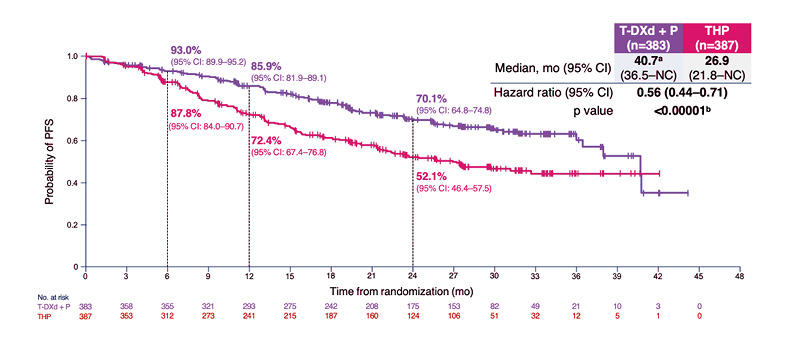
Figure 1: PFS (BICR): primary endpoint in DESTINY-Breast09.17
aMedian PFS estimate for T-DXd + P is likely to change at updated analysis.
bStratified log-rank test. A p value of <0.00043 was required for interim analysis superiority.
BICR: blinded independent central review; mo: months; NC: not calculable; P: pertuzumab; (m)PFS: (median) progression-free survival; T-DXd: trastuzumab deruxtecan; THP: taxane, trastuzumab, and pertuzumab.
Subgroup Analyses Looked at Prior Treatment, Hormone Receptor Status, and PIK3CA Mutations
The PFS benefit with T-DXd + P over THP was consistent across all pre-specified subgroups (prior treatment status, hormone receptor status, and PIK3CA mutation status). Patients with de novo metastatic disease derived particular benefit (HR: 0.49; 95% CI: 0.35–0.70), as did those with hormone receptor-negative disease (HR: 0.52; 95% CI: 0.37–0.73) and those with PIK3CA mutations (HR: 0.52; 95% CI: 0.35–0.77).17
Overall Response Rate and Duration of Response by BICR
The confirmed ORR by BICR was 85.1% (95% CI: 81.2–88.5%) with T-DXd + P compared with 78.6% (95% CI: 74.1–82.5%) with THP (Figure 2). CR was achieved in 15.1% of patients receiving T-DXd + P vs 8.5% with THP, demonstrating a greater CR rate in the T-DXd + P arm.18 PR was observed in 70.0% of patients in both arms. Regarding durability, the median DOR was 39.2 months (95% CI: 35.1–not calculable) with T-DXd + P vs 26.4 months (95% CI: 22.3–not calculable) with THP. Among patients who responded, 73.3% in the T-DXd + P arm remained in response at 24 months, compared with 54.9% in the THP arm.17
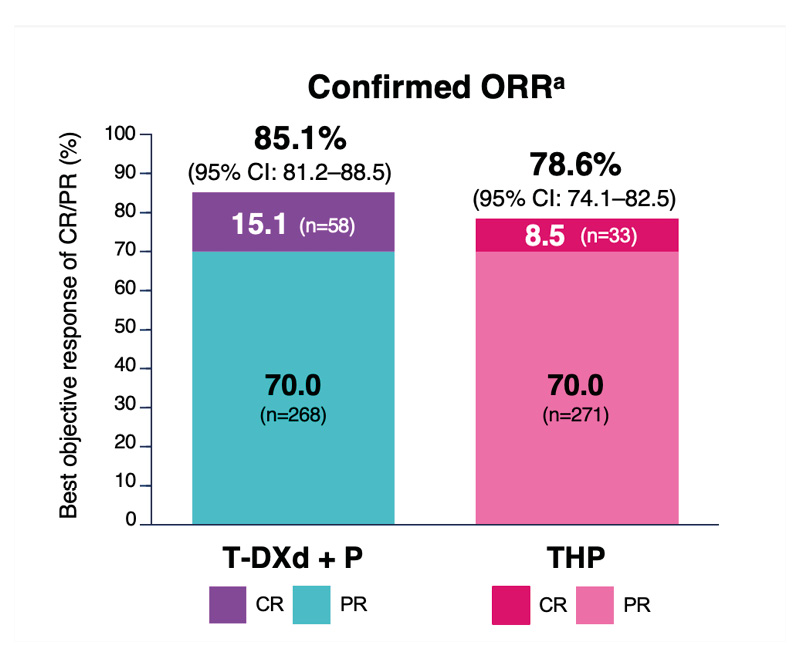
Figure 2: Confirmed objective response rate.17,a
aBased on RECIST version 1.1; response required confirmation after 4 weeks.
CR: complete response; ORR: objective response rate; P: pertuzumab; PR: partial response; RECIST: Response Evaluation Criteria in Solid Tumors; T-DXd: trastuzumab deruxtecan; THP: taxane, trastuzumab, and pertuzumab.
Overall Survival Data
At the time of interim analysis, OS data had reached approximately 16% of expected event maturity. Median OS had not been reached in either arm. The interim HR was 0.84 (95% CI: 0.59–1.19), indicating a positive trend in favor of T-DXd + P over THP, but no statistical significance was achieved.17
Second Progression-Free Survival: Clinically Meaningful Improvements
For PFS2, as assessed by investigators, T-DXd + P demonstrated a clinically meaningful improvement in PFS2 compared with THP, with an HR of 0.60 (95% CI: 0.45–0.79; nominal p=0.00038), and median PFS2 not yet reached in the T-DXd + P arm vs 36.5 months with THP.17
At data cut-off, fewer patients in the T-DXd + P arm required post-discontinuation 2L therapy compared with THP (32.4% vs 46.8%), consistent with longer 1L disease control. Among those who did receive 2L treatment, T-DXd was administered to 1.6% of patients originally randomized to T-DXd + P vs 10.1% of those who received THP, while T-DM1 was used in 1.8% vs 12.1%, respectively.17
T-DXd + P Safety Profile was Consistent with Known Profiles of Individual Agents
Tolaney reported that the overall safety profile of T-DXd + P was consistent with the known profiles of the individual agents.17 Possible treatment-related AEs of Grade 3 or higher occurred in 54.9% of patients in the T-DXd + P arm and 52.4% of those receiving THP.1 Treatment discontinuation due to AEs was less frequent with T-DXd + P (20.7%) than with THP (28.3%), though dose interruptions and reductions were more commonly required in the T-DXd + P arm (68.8% and 45.9%, respectively), compared with THP (49.0% and 19.9%), reflecting the need for active management of dosing.17
The median total treatment duration was 21.7 months with T-DXd + P vs 16.9 months with THP, consistent with the longer duration of disease control. Treatment-emergent AEs with outcome of death occurred in 13 patients (3.4%) receiving T-DXd + P and three patients (0.8%) receiving THP. The most frequently reported possibly treatment-related AEs with T-DXd + P were nausea (71.1%), diarrhea (55.9%), neutropenia (48.8%), fatigue (48.3%), alopecia (46.2%), and vomiting (42.0%).17
Two Adverse Events of Clinical Relevance Were Monitored
Adjudicated drug-related ILD or pneumonitis occurred in 12.1% of patients receiving T-DXd + P compared with 1.0% of those in the THP arm. Left ventricular dysfunction was reported in 11.0% of patients receiving T-DXd + P vs 7.1% with THP at any grade. Grade 3 events occurred in 1.8% of patients in both arms, and one Grade 4 event was recorded in the T-DXd + P arm, with no fatal cardiac events in either arm.17
DESTINY-Breast09 Interim Data: Key Takeaways
The interim results from DESTINY-Breast09 demonstrate a statistically significant and clinically meaningful improvement in PFS in patients treated with T-DXd + P compared with the established 1L SoC, THP, across subgroups of patients with HER2+ a/mBC.17 A 44% reduction in the risk of disease progression or death, a median PFS exceeding 40 months, CR rates nearly double those seen with THP, and response durations over 3 years represent a substantial advance over the efficacy benchmark with THP.17 OS data remain immature at this interim analysis, and final OS results are necessary to fully characterize the long-term impact.17 The safety profile was consistent with known individual drug toxicities, with ILD signal requiring clinical vigilance given the occurrence of fatal events. Summarizing these findings, T-DXd + P may represent a promising candidate for 1L SoC for patients with HER2+ a/mBC.17
Key Subgroups of Interest: An Additional Analysis
T-DXd + P vs THP for HER2+ a/mBC in Key Subgroups of Interest
Sibylle Loibl, University Hospital Goethe, University Frankfurt/M, GBG Neu-Isenburg, Germany, presented results from a pre-specified subgroup analysis of DESTINY-Breast09 at ESMO 2025. The analysis investigated the clinical benefit of T-DXd + P in clinically relevant patient subpopulations, representing the breadth of 1L HER2+ mBC populations.19 Key subgroups of interest were stratified according to prior treatment status, hormone receptor status, and PIK3CA mutation status.19
T-DXd + P Treatment Benefit Applies Regardless of Prior Treatment Status
T-DXd + P demonstrated a clinically meaningful PFS benefit vs THP regardless of de novo or recurrent status. In patients with de novo metastatic disease, median PFS was not calculable with T-DXd + P vs 31.2 months with THP (HR: 0.49; 95% CI: 0.35–0.70), while in those with recurrent disease, median PFS with T-DXd + P was 38.0 months vs 22.5 months with THP (HR: 0.63; 95% CI: 0.46–0.87), demonstrating that the benefit of T-DXd + P extends to patients with prior neoadjuvant or adjuvant exposure despite the treatment-refractory nature of recurrent disease.19
T-DXd + P Treatment Benefit Applies Regardless of Hormone Receptor Status
When stratified by hormone receptor status, median PFS was 38.0 months vs 27.7 months in hormone receptor-positive patients (HR: 0.61; 95% CI: 0.44–0.84) and 40.7 months vs 22.6 months in hormone receptor-negative patients (HR: 0.52; 95% CI: 0.37–0.73). Notably, concurrent endocrine therapy use was markedly lower in the T-DXd + P arm than in THP among hormone receptor-positive patients (13.5% vs 38.3%). PFS advantage of T-DXd + P in the hormone receptor-positive subgroup remained clinically meaningful. CR rates and DOR favored T-DXd + P vs THP regardless of prior treatment status and hormone receptor status.19
PIK3CA Mutations Had No Effect on PFS Benefit
In patients with PIK3CA mutations, median PFS was 36.0 months vs 18.1 months (HR: 0.52; 95% CI: 0.35–0.77), with the magnitude of benefit in this subgroup comparable with that observed in PIK3CA wild-type patients (HR: 0.57; 95% CI: 0.43–0.77), suggesting that PIK3CA mutational status does not substantively attenuate the efficacy of T-DXd + P and should not be considered a criterion for patient selection in this setting.19
Subgroup Analysis: Safety and Conclusions
In this subgroup analysis of DESTINY-Breast09, 1L treatment with T-DXd + P demonstrated a clinically meaningful PFS benefit vs THP regardless of prior treatment, hormone receptor, or PIK3CA mutation status, reflecting results similar to those observed in the overall population. Safety outcomes for each arm were broadly similar across subgroups and in line with the overall population. DOR favored T-DXd + P (median of ~3 years), and CR rates were higher with T-DXd + P (13.7–16.5%) than with THP (4.1–10.7%) in all subgroups. T-DXd + P represents an effective 1L treatment for patients with HER2+ a/mBC, regardless of prior treatment, hormone receptor, or PIK3CA mutation status.19
Patient-Reported Outcomes in DESTINY-Breast09: T-DXd + P vs THP
At SABCS 2025, Mothaffar F. Rimawi, Fellow of the American College of Physicians (FACP), Dan L Duncan Comprehensive Cancer Center, Baylor College of Medicine, Houston, Texas, USA, presented secondary endpoints of PROs from the DESTINY-Breast09 interim analysis (data cut-off: February 26, 2025).20
The measured PRO secondary endpoints consisted of the proportions of patients reporting different levels of overall tolerability, as measured by Patient Global Impression of Treatment Tolerability (PGI-TT); the time to deterioration, as measured by the European Organisation for Research and Treatment of Cancer (EORTC) Quality of Life Questionnaire Core 30 (QLQ-C30) pain scale; the proportions of patients experiencing treatment-related symptoms, as measured by EORTC QLQ-C30 and EORTC Quality of Life Questionnaire breast cancer-specific module (QLQ-BR45) scales; and the proportions of patients with maintained or improved physical function while on treatment on the EORTC QLQ-C30 physical functioning scale.20 All PROs were assessed before infusion on Cycle 1 Day 1, Day 1 of each cycle thereafter (every 3 weeks) until Cycle 9, and QLQ-C30 and QLQ-BR45 only were assessed on Day 1 of every second cycle thereafter (every 6 weeks) until PD.20
Treatment Side Effects Were Similarly Tolerable Between T-DXd + P and THP Arms
For overall tolerability, patients reported T-DXd + P and THP as similarly tolerable via PGI-TT. Post baseline, 52–64% (T-DXd + P) vs 61–68% (THP) of patients reported to be “Not at all” or “A little bit” bothered by treatment side effects, and 14–19% (T-DXd + P) vs 12–16% (THP) of patients reported to be ‘Quite a bit’ or ‘Very much’ bothered by treatment side effects. No differences were observed in the risk of clinically meaningful deterioration in pain between T-DXd + P and THP.20
T-DXd+P Had Similar Effects on Fatigue and Physical Activity, More Gastrointestinal Symptoms Compared to THP
Regarding treatment-related symptoms, T-DXd + P had a comparable impact on fatigue to THP, possibly with fewer arm symptoms. Moreover, T-DXd + P demonstrated fewer skin/mucosal symptoms than THP and the proportion of patients experiencing deterioration in other QLQ-BR45 scales, including upset by hair loss, endocrine therapy symptoms, endocrine sexual symptoms, and breast symptoms, were similar between both arms. In terms of gastrointestinal symptoms, T-DXd + P was associated with more nausea/vomiting, constipation, and appetite loss symptoms than THP, with a similar impact on diarrhea. For physical function, most patients reported “maintained or improved” during the study, which was consistent between both arms.20
Deep Responder Analysis in DESTINY-Breast09
At ASCO 2026, Yeon Hee Park, from the Samsung Medical Center, Seoul, Republic of Korea, presented an exploratory responder analysis of response subgroups from the DESTINY-Breast09 trial, which aimed to evaluate the association between depth of response to T-DXd + P treatment and long-term clinical benefit. The analysis utilized CR, deep PR, PR of <80% tumor reduction, and stable disease (SD) or PD.21 Analyses were not predefined to allow comparisons between the T-DXd + P and THP arms.
Achieving Complete Response and Deep Partial Response Were Associated with Durable PFS Outcomes
Of 377 patients in the T-DXd + P arm, approximately 53% achieved either CR (15.4%) or deep PR (37.4%), with PR of <80% observed in 33.7%, and SD/PD in 13.5%. Baseline characteristics were well balanced across response subgroups. At data cut-off, 55.2% of CR patients and 47.5% of deep PR patients remained on T-DXd + P, compared with 37.0% of those with PR of <80% and only 12.0% of those with SD/PD, with PD as the primary driver of discontinuation increasing from CR (8.6%) through deep PR (16.3%) and PR of <80% (26.0%) to SD/PD (38.0%), demonstrating an inverse relationship between response depth and disease progression on treatment.21 In the T-DXd + P arm, achieving CR and deep PR was associated with similar durable PFS outcomes. Moreover, 80% of patients in the intention-to-treat group achieved maximal tumor reduction by 24 months.21
Patients who achieved CR and deep PR had the longest treatment duration, with responses deepening over time. Compared to the THP arm, achieving deep PR was not associated with outcomes similar to achieving CR.21 Overall, safety in the T-DXd + P arm showed exposure-adjusted incidence rates for drug-related Grade 3 AEs were similar across different responder subgroups, with no new safety signals identified. Responses to T-DXd + P deepened over time, emphasizing the importance of maintaining 1L therapy to sustain clinical benefit and long-term clinical outcomes.21
Conclusion and Future Outlook
These data presented at ASCO, ESMO, and SABCS meetings across 2025 and 2026 provide a promising outlook for the potential of T-DXd + P as a 1L therapy for a/mBC, demonstrating progressive tumor reduction and long-term clinical benefit, and establishing superiority over the long-standing, gold-standard THP.1,3,9,19-21 Together, findings from DESTINY-Breast09 establish the superior efficacy of T-DXd + P over THP in the 1L setting, with the capacity to induce deeper, more durable tumor responses in a larger proportion of patients, translating into meaningfully improved long-term PFS and maintained tolerability and no new safety signals.1,3,19-21 In conjunction with the DESTINY-Breast03 deep PR analysis, the data presented supports the concept of deep PR as a clinically meaningful response category in HER2+ mBC.15,16 In the 2L setting, final analysis 5-year follow-up data from DESTINY-Breast03 confirm long-term survival advantages over T-DM1, as T-DXd becomes embedded across earlier lines in the a/mBC milieu.1,3,14,15