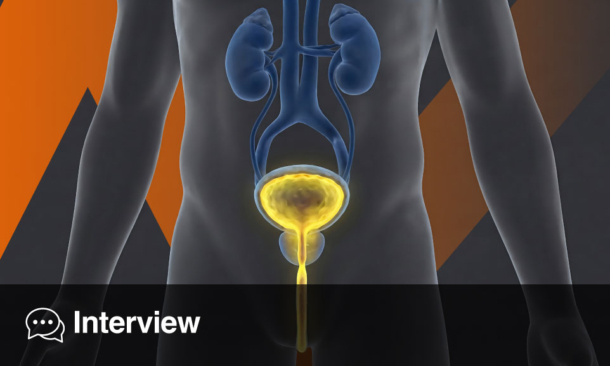
NOCTURIA and urgency urinary incontinence (UUI) were associated with distinct systemic health patterns in US men aged 40 years and older, according to new evidence.
These findings come from an analysis of 11,236 participants across seven survey cycles conducted between 2005 and 2018, with mortality follow-up through 2019.
Researchers classified participants into four mutually exclusive groups: neither symptom, nocturia only (25.6%), UUI only (3.2%), and both symptoms (5.1%).
Nocturia and Cardiometabolic Health
Analysis revealed that symptom composition provided important information beyond symptom count alone.
Men with nocturia only were more likely to have advanced cardiovascular kidney metabolic status compared with those without symptoms.
In contrast, coexisting nocturia and UUI were strongly associated with poor cardiovascular health.
UUI alone did not demonstrate a dominant cardiovascular kidney metabolic or cardiovascular health pattern.
Researchers found that the two single symptom groups were generally similar across broader health outcomes, suggesting that symptom composition only influenced selected systemic associations.
Symptom Burden Increases with Symptom Number
The study also demonstrated a stepwise increase in health burden as symptom number rose from zero to one and then two symptoms.
Compared with men without symptoms, those with two symptoms had markedly higher odds of severe functional limitation, depressive symptoms, and all-cause mortality.
Men with both symptoms also experienced greater burden than either single symptom group, including higher rates of multimorbidity, sleep problems, self-reported poor health, and mortality.
Polypharmacy was more common among symptomatic participants but did not differ clearly between the coexisting symptom group and single symptom groups.
Clinical Implications for Assessment
The authors concluded that a simple classification based on nocturia and UUI may help clinicians identify broader systemic vulnerability.
Symptom count appeared to reflect the overall breadth of health burden, while symptom composition highlighted specific areas for investigation.
The findings suggest that patients with both symptoms may benefit from comprehensive evaluation of physical function, mood, sleep, comorbidity burden, and medication use.
Meanwhile, nocturia alone may warrant closer assessment of cardiovascular kidney metabolic health, whereas coexisting symptoms may indicate a need to examine overall cardiovascular health more closely.
Reference
Yu J et al. Systemic health patterns associated with nocturia and urgency urinary incontinence in US men. Sci Rep. 2026;DOI:10.1038/s41598-026-70522-5.
Featured image: Satjawat on Adobe Stock