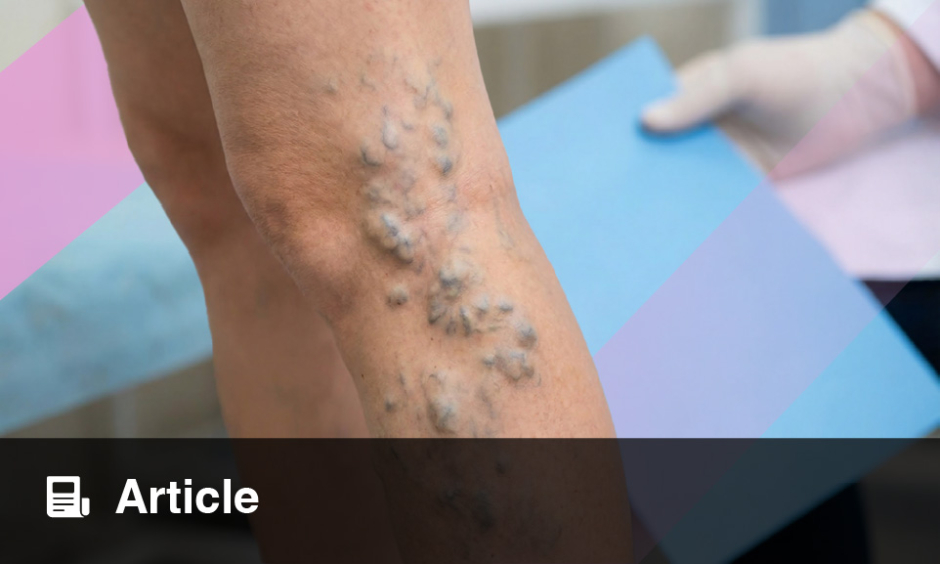
HIDRADENITIS suppurativa may newly develop or flare in some patients receiving immune checkpoint inhibitor therapy.
Hidradenitis Suppurativa During Cancer Immunotherapy
Immune checkpoint inhibitors have transformed cancer treatment, but their immune-mediated effects can extend beyond tumor control. A new scoping review suggests that hidradenitis suppurativa may emerge after immune checkpoint inhibitor initiation or worsen in patients with pre-existing disease, highlighting a need for dermatologic awareness during oncologic care.
Hidradenitis suppurativa is a chronic inflammatory skin disease characterized by recurrent abscesses, painful lesions, and long-term inflammatory burden. Although immune checkpoint inhibitors are widely used across oncology, their relationship with hidradenitis suppurativa onset, activity, and clinical course has remained poorly characterized.
Immune Checkpoint Inhibitors and HS Flares
The review identified five publications reporting 13 patients with hidradenitis suppurativa onset or worsening in the setting of immune checkpoint inhibitor therapy. Pembrolizumab was the most frequently reported agent, used in 46.2% of cases.
Among the 13 patients, eight had pre-existing hidradenitis suppurativa. Of these, three experienced disease flares during immune checkpoint inhibitor therapy. Five patients developed new-onset hidradenitis suppurativa after treatment initiation, with onset reported within 2 to 4 months.
These findings do not establish incidence or causality, but they suggest a clinically relevant pattern that may warrant attention, particularly in patients with a history of inflammatory skin disease.
Early Dermatology Input May Preserve Cancer Care
Management varied across the included cases and involved topical and systemic hidradenitis suppurativa therapies. Four patients experienced complete resolution of lesions after immune checkpoint inhibitor discontinuation.
For clinicians, the key implication is not that immune checkpoint inhibitors should be avoided, but that new or worsening hidradenitis suppurativa symptoms should be recognized early. Timely dermatologic involvement may help confirm the diagnosis, guide therapy, reduce symptom burden, and support continuity of cancer treatment where appropriate.
The small number of reported cases underscores the need for larger studies to clarify risk, disease course, and optimal management strategies. Until then, clinical vigilance is essential when patients receiving immune checkpoint inhibitors develop recurrent abscesses, inflammatory nodules, or hidradenitis suppurativa-like lesions.
Reference
Marquez CR et al. The effects of immune checkpoint inhibitors on hidradenitis suppurativa: A scoping review. Skin Appendage Disord. 2026;doi:10.1159/000551945.
Featured Image: xxx on Adobe Stock.
- Author: