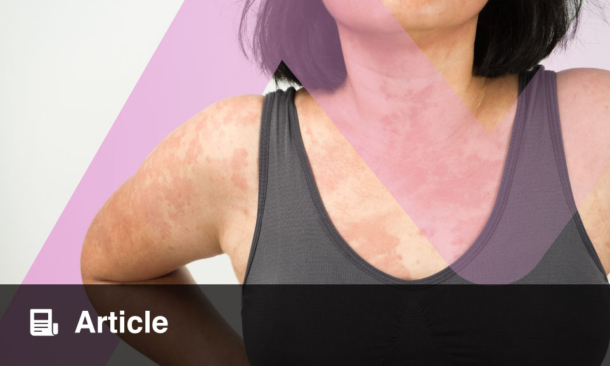
EVENING preference was associated with higher odds of inflammatory skin disease and poorer psychological health, according to a cross-sectional analysis from the São Paulo Epidemiologic Sleep Study (EPISONO).
The study examined relationships between dermatitis, psoriasis and vitiligo, sleep timing, chronotype and psychosocial health among adults aged 20–80 years. Researchers found that participants with dermatological disease were less likely to have a morning preference and reported greater psychological burden.
How Is Evening Preference Linked to Skin Disease?
Of 769 participants, 721 had complete dermatological and sleep timing data. This included 83 participants with dermatological disease and 638 without. Propensity score matching balanced sociodemographic characteristics between 83 participants with dermatological disease and 84 matched controls.
In the unmatched analysis, participants with dermatological disease had lower scores on the Morningness-Eveningness Questionnaire self-assessment, indicating a lower tendency towards morning preference. Participants with dermatological disease also included fewer morning types.
Intermediate and evening preferences were associated with approximately twice the odds of dermatological disease, particularly dermatitis. By comparison, morning preference was associated with nearly 50% lower odds.
What Psychological Effects Were Associated with Skin Disease?
Participants with dermatological disease reported higher perceived stress and poorer psychological quality of life than those without dermatological disease in the unmatched analysis.
After propensity score matching, dermatological disease remained associated with more depressive symptoms and lower physical, psychological and overall quality of life. The findings therefore linked inflammatory skin disease with both altered diurnal preference and poorer psychosocial wellbeing.
The study assessed several measures of sleep and psychological health, including sleep timing, chronotype, social jetlag, perceived stress, fatigue, anxiety, depression and quality of life.
Could Chronotype Influence Dermatology Care?
The researchers identified an indirect association involving lower Morningness-Eveningness Questionnaire scores between dermatological disease and poorer psychological wellbeing. The findings suggest that diurnal preference may represent a correlate of the psychosocial burden associated with inflammatory skin diseases.
However, the cross-sectional design means the findings demonstrate associations rather than causation. The results do not establish whether evening preference contributes to inflammatory skin disease or whether dermatological disease and its associated burden influence sleep timing and chronotype.
The researchers called for further investigation of chronotype and chronotherapeutic approaches in dermatological settings.
Reference
Souza MR et al. Evening preference is associated with inflammatory skin diseases and poorer psychological health: evidence from the EPISONO study. Arch Dermatol Res. 2026;318:554.